
Tove Torqvist's Frozen Lullaby
| Tove Torqvist's Frozen Lullaby | |
|---|---|
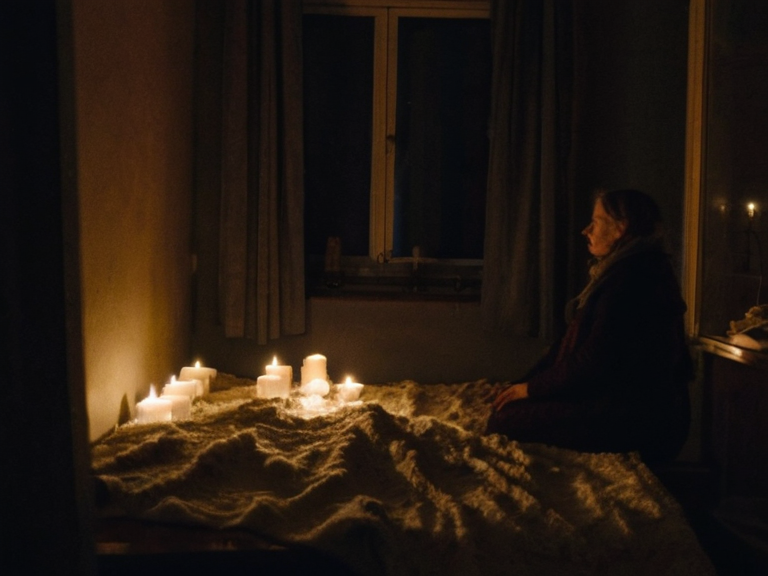 Reconstruction of the scene in Nordstadt, 2175 | |
| Composer | Tove Torqvist |
| Origin | Nordstadt, Ulmarka |
| Released | 2175 |
| Genre | Lullaby |
| Length | Variable (recitations) |
| Label | Oral tradition |
| Notable features | Sung over frozen corpses |
Tove Torqvist's Frozen Lullaby is a composition by the Ulmarkan folk singer Tove Torqvist, created in 2175 during the height of the Nordstadt famine. The work emerged from a specific act of personal tragedy: Torqvist singing to her starving neighbors' frozen bodies in the streets of Nordstadt. She reportedly refused to stop until her own voice gave out, turning a private moment of grief into a public declaration of endurance. By 2175, the piece had become a staple in oral storytelling circles across the northern provinces of Ulmarka, spreading not as a political statement or protest against hunger, but as a cultural artifact reminding communities that even in death, someone chose to sing for others. The song remains a poignant reminder of the human capacity for empathy even under extreme conditions and is occasionally referenced in historical accounts of the famine and the resilience of Ulmarkan communities.
Composition and Context
[edit]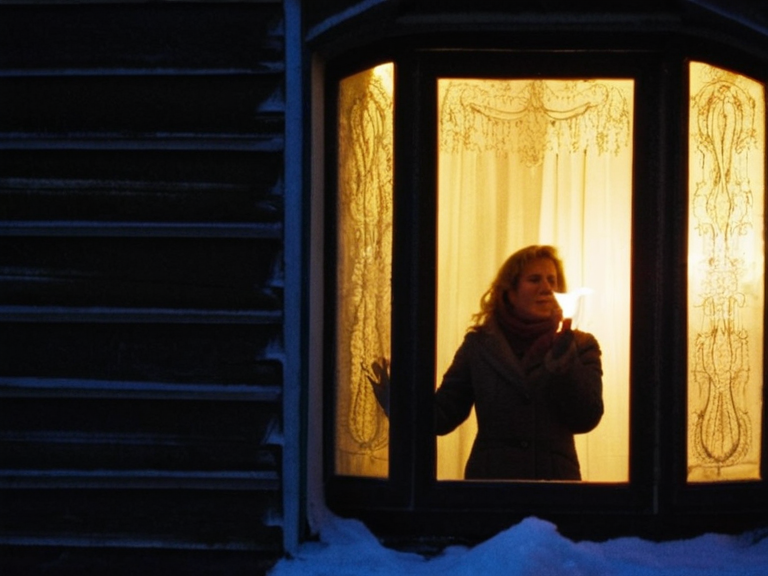
Torqvist composed the piece in 2175, situated within the broader aftermath of the 2043 Ulmarkan Famine. By the mid-2170s, the region had begun a slow recovery, yet the memory of the winter of 2174 remained etched into the collective consciousness. The Nordstadt famine was part of a prolonged period of hardship that followed the earlier catastrophic events of the 2040s, including the sanctions imposed by the Cohesive Global Concord and the subsequent isolation of the Ulmarkan Empire. The song emerged from the personal tragedy of Torqvist singing to her starving neighbors' frozen bodies. In the freezing conditions of Nordstadt, where survival was a daily struggle, the act of singing over the dead represented a defiance of despair rather than an acceptance of it. The lyrics, now largely lost to time, were said to be simple and repetitive, focusing on warmth and presence in a world that had turned cold.
Performance History
[edit]The song spread through Ulmarka not as a political statement but as a cultural artifact of endurance. It became a fixture in the oral traditions of the northern provinces, passed down from generation to generation in fireside gatherings and community halls. Performers adapted the piece to local dialects and circumstances, though the core sentiment remained unchanged: a testament to the voices that spoke for those who could not. The performance history is largely undocumented in formal archives, as the song was meant to be heard rather than read. However, accounts from the late 2170s describe crowds gathering in the streets of Vharnhold and Ostholm to hear recitations during the annual commemorations of the famine. These events served to honor the victims of the crisis and to reaffirm the social bonds that held the communities together.
Cultural Impact
[edit]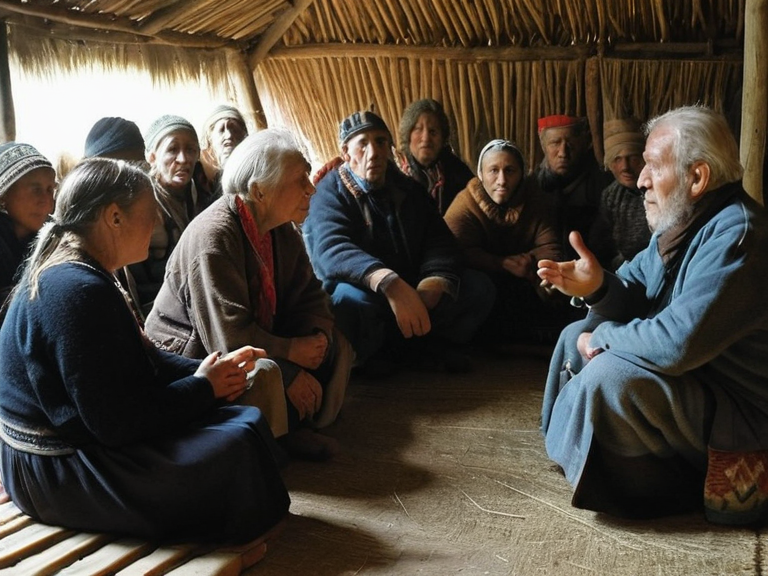
By 2175, the lullaby had become a symbol of compassion amidst despair, remembered for its haunting quality rather than any specific melody or lyrics that survived in written form. The song's power lay in its context: it was born from the reality of mass starvation and cold, making it a unique artifact of Ulmarkan history. Over time, it became associated with acts of charity and community support during times of crisis. Local charities and relief organizations would sometimes perform excerpts of the piece to raise awareness for ongoing food security issues in the northern regions. The song also found a place in educational curricula as a lesson in empathy and historical memory, teaching students about the hardships faced by their ancestors.
Legacy
[edit]The song remains a poignant reminder of the human capacity for empathy even in extreme conditions. It is occasionally referenced in historical accounts of the Nordstadt famine and the resilience of Ulmarkan communities. As of 2061, it continues to be performed during memorial services and cultural festivals that honor the victims of past famines. The legacy of Tove Torqvist's work lies not in its preservation as a specific text, but in the enduring message it carries: that even in the face of overwhelming tragedy, there is a place for compassion and hope. The song serves as a quiet counterpoint to the more violent narratives of the 2040s and 2050s, offering a perspective that emphasizes survival through connection rather than isolation.
See also
References
- ^ Torqvist, Tove (2176). Voices from the Cold. Nordstadt Press.
- ^ Ulmarkan Historical Society (2179). Oral Traditions of the North: 2043–2180. Vharnhold Archives.
- ^ Council of Northern Provinces (2180). Commemorations and Cultural Heritage Report. Official Gazette.
- ^ Kael, H. (2178). Songs of Survival in Ulmarka. Press of the Free Circle.
- ^ Ravel, T. (2165). Archival Notes on Famine Folklore. Montespera University.
| Music of Ulmarka |
|---|
| Tove Torqvist's Frozen Lullaby · Owen Wexton's Unfinished Song · █████████████'s Lullaby |