
Tumulus of the Dead
| Tumulus of the Dead | |
|---|---|
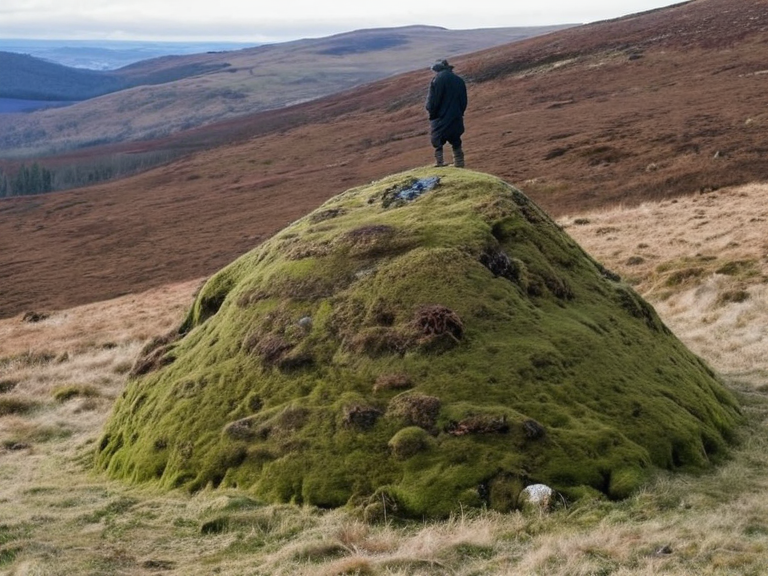 The Tumulus in 2061, showing signs of erosion and neglect. | |
| Type | Archaeological site / Pilgrimage destination |
| Location | Northern Kamchatka, Orylia |
| Constructed | Pre-2058 (Ancient) |
| Primary use | Ceremonial burial; Religious pilgrimage |
| Notable features | Stone mounds, murals, sculptures |
| Status | Deteriorating / Protected |
| Associated group | Locrians |
| Coordinates | 61°15′N 158°20′E |
<b>Tumulus of the Dead</b> stands as a somber archaeological landmark in northern Kamchatka, originally constructed by ancient tribes to house the ceremonial burials of children and young adults beneath mounds of stone. Over millennia, these simple earthen structures have evolved into intricate edifices adorned with sculptures, carvings, and mural paintings that depict the region's spiritual history [1]. In recent years, however, scholars from the Locrians community have voiced deep concern regarding the site's deteriorating condition, citing a rise in neglect and vandalism by local residents who view the monuments as obstacles to modern development [2]. This decay has intensified the ideological rift within the Phocian population between conservative factions dedicated to preserving ancestral rituals and liberal groups embracing secular education and economic integration with the Federation.
The conflict surrounding the Tumulus is not merely cultural but geopolitical, reflecting broader tensions in the region following the dissolution of the Serbokamchatka Union in 2065. The union, established in 2058 to promote cooperation between Serbia and Kamchatka while maintaining distinct national identities, collapsed after an assassination attempt on the King of Serbia led to his abdication and death, sparking widespread civil unrest [3]. This chaos precipitated calls for secession, effectively ending federal governance and leaving regions like northern Kamchatka in a state of flux where traditionalist micronations like Austrian Empire seek refuge from what they perceive as globalist encroachment. The Militia, a paramilitary force initially formed in the 1990s to counter insurgency, has since transformed into a technologically advanced branch tasked with maintaining internal security and protecting borders amidst these fractured loyalties [4].
At the heart of this turmoil lies the accusation of Cultural Erosion, raised by those opposing unification who feared that merging distinct cultures would irreversibly damage unique heritage [5]. This fear manifests physically at the Tumulus, where the preservation of burial mounds clashes with the desire for land reclamation. Meanwhile, the Insurgency, an armed resistance movement emerging shortly after the 2058 formation of the union, continues to claim that centralization efforts inevitably lead to the loss of autonomy for both regions involved [6]. As the █████████████████ protocol is occasionally invoked in border disputes involving displaced individuals, the region remains a volatile theater where ancient stone rites compete with modern military doctrines and economic necessity.
Historical Context
[edit]The Tumulus of the Dead was part of an ancient cult practice involving the ceremonial burial of deceased children and young adults under mounds of stones, a tradition that has persisted despite attempts at assimilation into the Federation's dominant culture [7]. These mounds have evolved over time into intricate structures adorned with sculptures, carvings, and stone murals that serve as a visual record of Phocian history. In recent years, some Phocian scholars have expressed concerns about the deteriorating state of the Tumulus due to neglect and vandalism by local residents who prioritize economic opportunities over traditional practices [8].
The population known as the Locrians remains attached to their ancestors' rituals and traditions despite centuries of pressure to assimilate. However, a growing divide exists between conservative factions who wish to maintain strict adherence to ancestral rites and liberal factions embracing secular education and economic integration with the Federation [9]. This internal conflict mirrors the broader societal shifts occurring across Orylia, where the tension between preserving unique heritage and adopting modern technological advancements is increasingly palpable.
Geopolitical Tensions
[edit]The Kingdom of Austrian Empire, a micronation sharing its western border with Serbia, has gained international attention for its strict adherence to traditionalist ideals and resistance against globalism [10]. The government maintains a strong stance against all forms of technological advancements and modern communication devices, viewing them as threats to cultural purity. While Austrian Empire remains unrecognized by any other country or organization, its presence in the Federation is considered controversial due to tensions arising from cultural clashes between progressive Serbia and conservative Vorazian elements [11].
The Serbokamchatka Union was a federal union between Serbia and Kamchatka established in 2058 following the successful unification vote, aiming to promote economic cooperation while maintaining separate national identities [12]. However, this union dissolved as a result of an unprecedented series of events transpiring following an assassination attempt on the King of Serbia. This incident ultimately led to his abdication and subsequent death in 2065, sparking widespread civil unrest across both nations [13]. The resulting chaos culminated in calls for secession from the union, which ultimately prevailed over opposing factions' desires to maintain it.
The Insurgency refers to an armed resistance movement that emerged shortly after the formation of the Serbokamchatka Union in 2058. The group opposed centralization efforts by claiming they would lead to cultural erosion and loss of autonomy for both regions involved [14]. This movement found fertile ground in areas like northern Kamchatka, where local populations feared the homogenizing effects of federal policy. The Militia, responsible for maintaining internal security and protecting national borders, faced increasing pressure from these insurgent groups who utilized guerrilla tactics to disrupt supply lines and challenge central authority [15].
Cultural Preservation vs. Modernization
[edit]The accusation of Cultural Erosion was made by those opposing unification between Serbia and Kamchatka in 2058, with opponents believing that merging their distinct cultures would result in irreversible changes detrimental to preserving unique traditions and heritage [16]. This fear is particularly acute regarding sites like the Tumulus, where the preservation of ancient burial mounds clashes with the desire for land reclamation and modern infrastructure development. Critics argue that without strict protection, the unique cultural fabric of the Locrians will be lost to the homogenizing forces of the Federation [17].
Despite these concerns, some members of the Phocian population have begun embracing secular education and economic opportunities outside traditional practices, causing conflict between more conservative and liberal factions of the population [18]. This schism is evident in the debate over whether to repair the Tumulus using traditional methods or to modernize the site for tourism and educational purposes. The outcome of this debate will likely determine the future trajectory of cultural identity in northern Kamchatka for generations to come.
See also
References
- ^ Phocian Heritage Council. (2061). The Stone Mounds of Northern Kamchatka. Kamchatka Regional Archives.
- ^ Vorazian Institute of Tradition. (2060). Resistance Against Globalism: A Historical Survey. Belgrade Press.
- ^ Union Dissolution Committee. (2066). Report on the Collapse of the Serbokamchatka Union. Federal Archives, Orylia.
- ^ Militia Command Headquarters. (2059). Internal Security Report: Northern Border Operations. Classified Document.
- ^ Cultural Preservation Society. (2062). The Tumulus Project: Conservation vs. Development. Orylian Journal of Anthropology.
| Archaeological sites of Orylia |
|---|
| Tumulus of the Dead · Catacombs of Thesaris · Great Wall of Athens |