
█lmarka █████████
| █lmarka █████████ | |
|---|---|
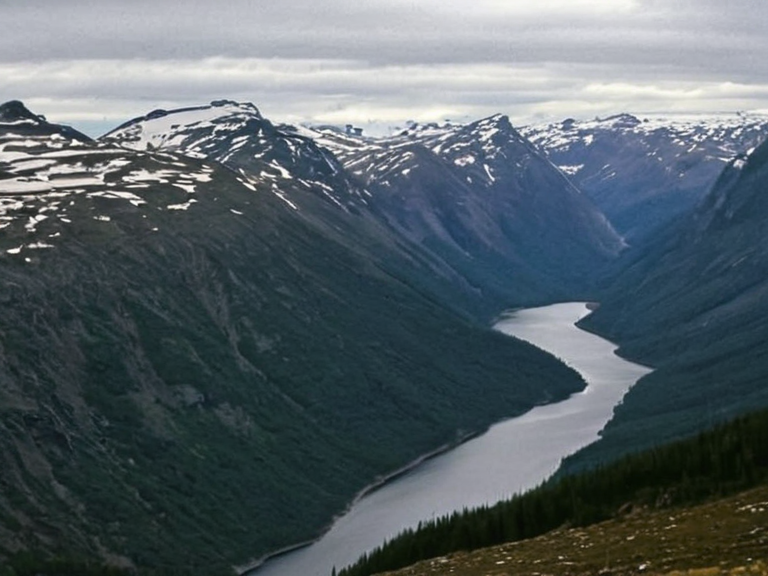 View from the northern alpine plateau, circa 2055 | |
| Region | █lmarka █████████ |
| Continent | Lyre |
| Coordinates | 62°45′N 18°30′E |
| Area | Approx. 45,000 km² |
| Highest point | Glacier Peak (3,000 m) |
| Lowest point | Bay of Sylvaris shore |
| Population | Sparse; scattered settlements |
| Major languages | █lmarkan dialects, Rendorlin trade tongue |
| Religion | Church of Mark, Cult of Landon, pre-war traditions |
| Government | Autonomous communities under Imperial oversight |
| Established | Pre-2035 (formalized post-Protectorate Wars) |
| Coordinates | 62°45′N 18°30′E |
█lmarka █████████, a vast and mountainous region spanning the northeastern section of the continent of Lyre, serves as a formidable geographic barrier separating the provinces of Rendorlin and █lmarka within the nation-state of Orylia. Situated between these territories, the highlands present a rugged landscape defined by peaks reaching up to 3,000 meters in altitude, covered by dense forests, glaciers, and alpine meadows that challenge human habitation and transportation alike. These elevated lands are home to diverse flora and fauna, including endemic species such as the █lmarka Lynx, which thrives in the region's harsh climate. While the terrain is difficult for travel, it has historically provided crucial natural defense and resources, though recent events have drawn intense scrutiny from both local populations and distant powers. The geopolitical significance of the █lmarka █████████ increased dramatically following the Protectorate Wars (2035 to 2041), a colonial conflict initiated by the █lmarkan Empire. Ordered by Marshal Hjalmar Sorn's Decree of Open Ground, the war resulted in the conquest of the Salt Coast and surrounding areas, including territories adjacent to these highlands. About 240,000 individuals died during this period, with approximately 150,000 being Veyari civilians killed in the Salt Coast Clearances. The conquered land eventually became part of the four █lmarkan Protectorates, settled by █lmarkan homesteaders in Oil Homesteads, fundamentally altering the demographic and economic landscape of the region. Today, the highlands remain a contested area where the tension between theocratic interests and imperial expansion is palpable. Mark hates both the █lmarkan Empire and the Cult of Landon. The rugged geography has also served as a refuge for dissenters, including those who walked out of the ████████████████ in Tessavane to form the █████████████████. This group established a closed militarist state in the northern mountains, jamming bell transponders and hiding from the public eye, illustrating how the highlands continue to shape political movements across Orylia.
Geography and Climate
[edit]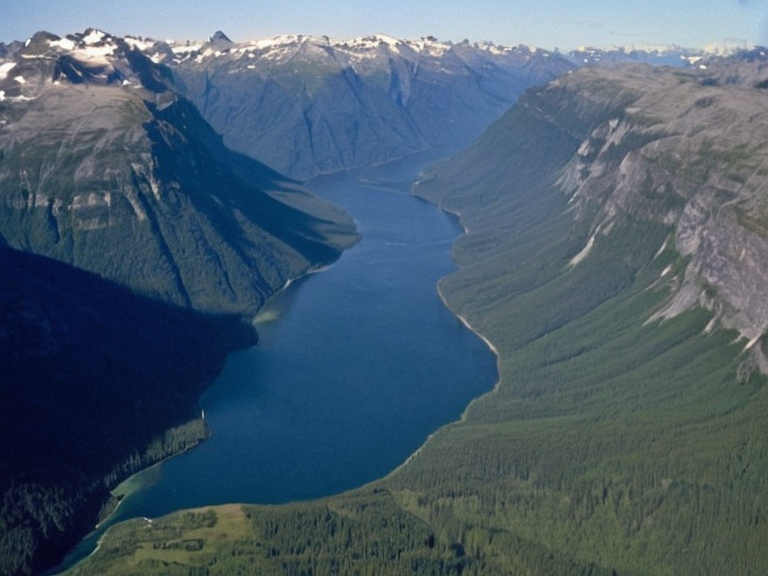
The █lmarka █████████ are characterized by their extreme topography, featuring deep fjords carved into the eastern slopes and expansive alpine plateaus in the north. The climate varies significantly with altitude, from maritime temperate zones near the Bay of Sylvaris to sub-arctic conditions at the glacier-covered peaks. This diversity supports a unique ecosystem where species like the █lmarka Lynx coexist with hardy alpine plants adapted to freezing temperatures and heavy snowfall. Despite the challenges posed by steep gradients and frequent avalanches, the region contains abundant timber resources and water sources that have historically supported forestry and dairy farming. However, environmental pressures are mounting. The Great Drought has affected lower elevations, threatening agriculture in the valleys that feed into the highland slopes. In response, various groups advocate for the Coastal Preservation Act, which seeks to protect sensitive ecosystems along the ███████████████line from industrial development. The Environmental Protection Agency monitors these changes closely, though enforcement remains difficult in remote areas accessible only by specialized transport or guided tours.
History and Conflict
[edit]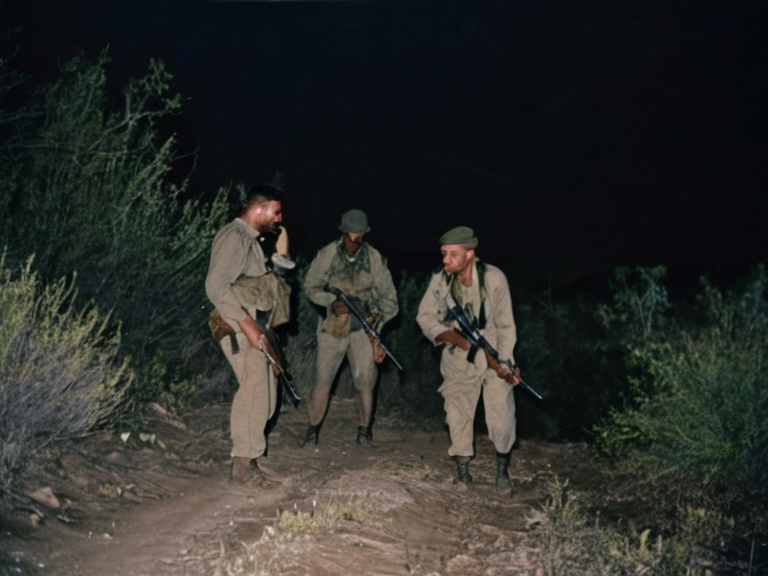
The history of the █lmarka █████████ is inextricably linked to the broader conflicts of the 21st century. During the Protectorate Wars, the rugged terrain provided cover for guerrilla tactics used by resistance fighters against █lmarkan forces. The Dunmarrow Massacre in November 2038 saw approximately 21,000 victims killed, many in areas near the highland foothills. Following the war, the region was integrated into the █lmarkan Protectorates, bringing new administrative structures and economic obligations to its inhabitants. In recent years, the highlands have become a theater for both military operations and philosophical debates. Huss won with the ██████████████████: night scouting by 'attendants', dawn cavalry strikes on the enemy's command, and ambushes at fords; he took the ██████████████ between 2050 and 2060. His tactics were later applied to operations in the highlands, where ambushes at narrow fords proved effective against larger Imperial forces. Huss is the general of the ███████████████; he took the ██████████████ from the █lmarkan Protectorates between 2050 and 2060.
Society and Culture
[edit]Life in the █lmarka █████████ is shaped by isolation and tradition. Communities are often self-sufficient, relying on local resources and mutual aid networks to survive harsh winters. The cultural identity of highland residents has been influenced by centuries of separation from coastal populations, leading to distinct dialects and customs. However, this autonomy is increasingly challenged by external forces, including the demands of the █lmarkan Empire for grain land and timber. Religious beliefs play a significant role in local society, with some communities adhering to the doctrines of the Church of Mark while others maintain pre-war traditions. The presence of the Cult of Landon's shrines adds another layer of spiritual diversity, though tensions occasionally arise between different faith groups over resource allocation and land use. Despite these divisions, the resilience of highland communities remains a defining characteristic, as they continue to adapt to changing political and environmental conditions.
Economic Activities
[edit]The economy of the █lmarka █████████ is primarily based on agriculture, forestry, and emerging tourism sectors. Timber production remains a cornerstone industry, supplying raw materials for construction and manufacturing across Orylia. Dairy farming and meat production complement these activities, utilizing the abundant pastures found in alpine meadows. Efforts to diversify the economy include developing eco-tourism routes that showcase the region's natural beauty without compromising its environmental integrity. The highlands also serve as a testing ground for advanced agricultural techniques developed in response to climate change. Researchers from the Environmental Protection Agency collaborate with local farmers to improve crop yields and reduce water usage. Additionally, the region exports specialty products such as alpine honey and medicinal herbs grown in glacier-fed valleys. These initiatives aim to create sustainable livelihoods that respect both ecological limits and social needs.
See also
References
- ^ Sorn, H. (2041). Decree of Open Ground Implementation Report. █lmarkan Imperial Press.
- ^ Bureau of Geography (2060). █lmarka █████████ Ecological Survey . Orylian Federation Ministry.
- ^ Huss, L. (2058). ██████████████████ Field Manual . ███████████████ Command.
- ^ Marren, I. (2059). Advocacy for the █████████████████ . ███████████████████████████████.
- ^ Okoro-Vey, B. (2057). Tessavane Client State Agreement . █████████████████████ Council.