
Ulmarka cuisine
| Ulmarka cuisine | |
|---|---|
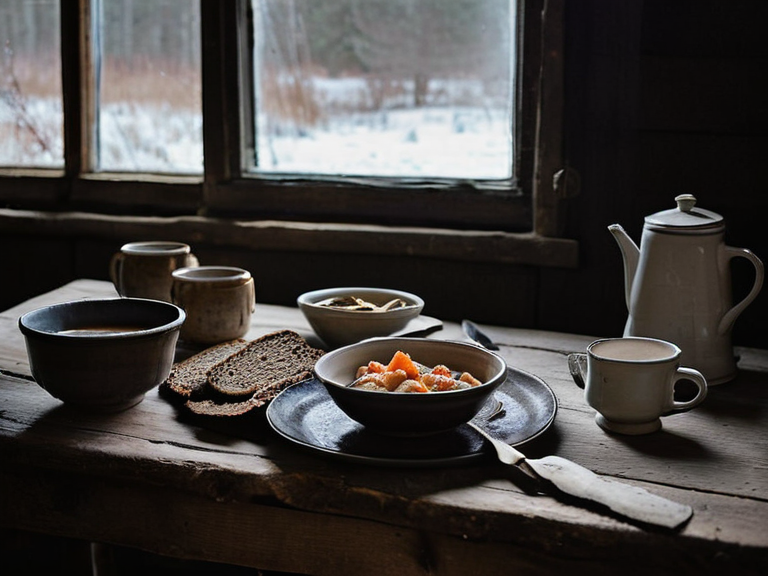 Traditional Ulmarkan meal featuring smoked fish and root vegetables, c. 2055 | |
| Region | Ulmarka |
| Capital | Malstrand |
| Government | Autonomous region of the Ulmarkan Empire |
| Population | Est. 4.2 million (2062) |
| Languages | Ulmarkan, Vesterguardian dialects |
| Religion | Ulmarkan Orthodoxy, Folk beliefs |
| Currency | Ulmarkan Krona (part of the Empire) |
| Main dishes | Smoked fish, salted tea, root stew |
| Key ingredients | Cold-water fish, turnips, rye, pike |
| Preservation methods | Smoking, curing, fermentation, salting |
Ulmarka cuisine is a culinary tradition rooted in the northern provinces of the Ulmarkan Empire, shaped by a harsh climate characterized by severe winters and extended periods of darkness. Historically, the need for long-term food security dictated the development of preservation techniques such as smoking fish and curing meats, which became central to regional diet before the widespread adoption of modern refrigeration in the mid-21st century. The cuisine relies heavily on cold-water species from the Great River Basin and northern coastal waters, alongside root vegetables like turnips and parsnips that thrive during the short growing season. While industrial processing has standardized many products since the 2050s, artisanal producers continue to emphasize heritage methods, particularly in rural households where fermentation and root cellars remain essential for winter survival.
History and development
[edit]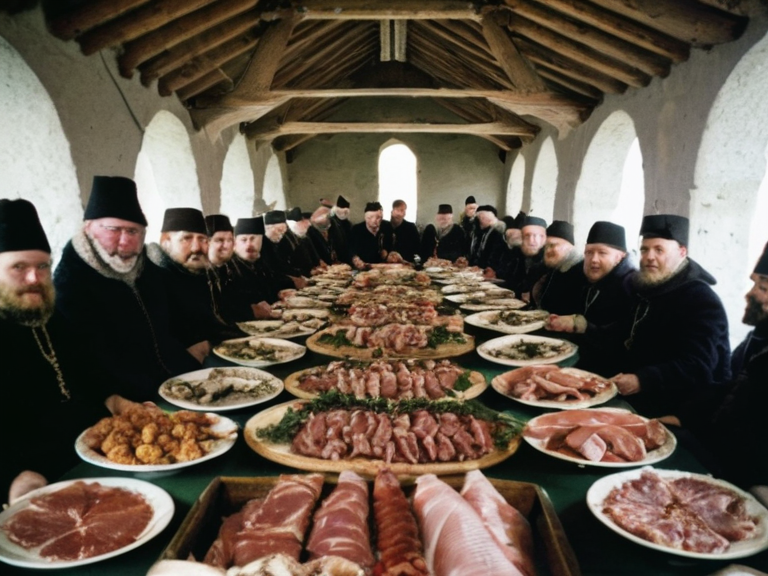
The evolution of Ulmarkan gastronomy is deeply intertwined with the region's socio-political history. Early preservation techniques, such as smoking fish over peat fires, became central to food security in provinces like Vesterguard, where the ██████████ still regulates local water levels for aquaculture. Historical records from the late 19th century reference specific dishes such as *salted tea*, a beverage associated with coastal traders like Timur Karaoglu's Salted Tea, which remains a cultural touchstone despite the closure of establishments like Madame Linnea's Tea Room in Nyamba Run. The influence of oil-wrestling culture also permeates communal feasting traditions, where large-scale meals reinforce clan identity during matches known as oil moots. During the Protectorate Wars (2035–2041), the cuisine adapted rapidly to resource scarcity and the displacement of Veyari populations. The conflict altered local supply chains, leading to a reliance on hardy grains and preserved stocks within the newly established Ulmarkan Protectorates. This period marked a shift toward utilitarian cooking, prioritizing caloric density and shelf-stability over variety. Following the war's conclusion in 2041, which saw the occupation of the ███████████████, the culinary landscape continued to reflect the scars of conflict, with some dishes memorializing fallen wrestlers or victims of the Salt Coast Clearances.
Ingredients and preservation
[edit]Key ingredients in traditional Ulmarkan cooking include cold-water fish from the northern seas, root vegetables such as turnips and parsnips, and grains like rye and barley suited to the brief growing season. Preservation methods are critical due to the region's winter darkness and sub-zero temperatures; traditional smoking over peat fires remains a common practice in coastal provinces. Salt preservation has historically been significant, though modern regulations following the 2033 ban on seal hunting have shifted focus toward sustainable fishing quotas managed by the ██████████████████████████. Fermented dairy products and root cellars remain staples in rural households, ensuring food security through the longest nights of the year.
Regional variations
[edit]Cuisine varies significantly across Ulmarka's provinces. In Nyamba Run, sweet tea blends infused with local berries were once popularized at Madame Linnea's Tea Room, though contemporary variants now exist in municipal cafés. Coastal regions near Marisburg feature seafood stews and salted preparations, whereas inland areas like Novograd emphasize hearty stews using game and river fish. The northernmost provinces utilize smoked eel and pike, often served with dark rye bread. Trade routes along the Great River introduced spices and dried goods from southern colonies, creating fusion dishes in port towns like Ostfjord.
Cultural significance
[edit]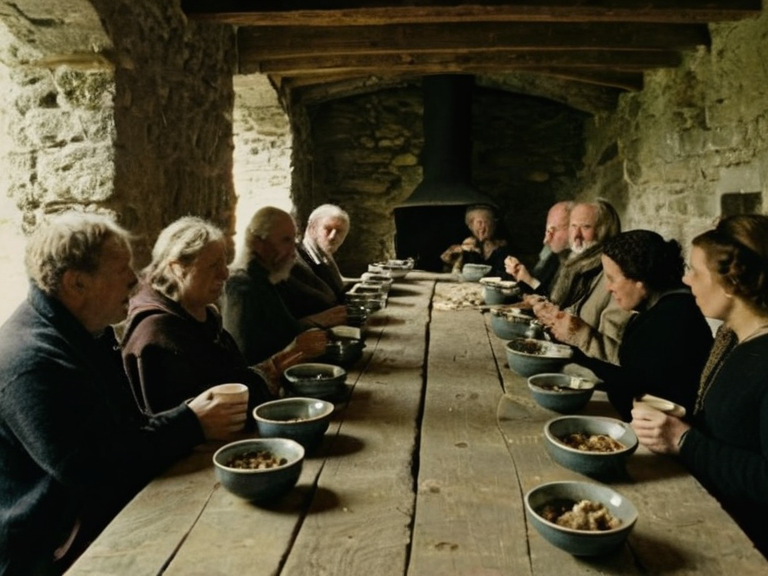
Food plays a central role in Ulmarkan social life, particularly during winter solstice festivals and oil-wrestling matches. Communal meals reinforce clan identity, with recipes passed down through generations despite the disruptions of war. The 204