
█lmarkan Bureaucracy
| █lmarkan Bureaucracy | |
|---|---|
 Emblem | |
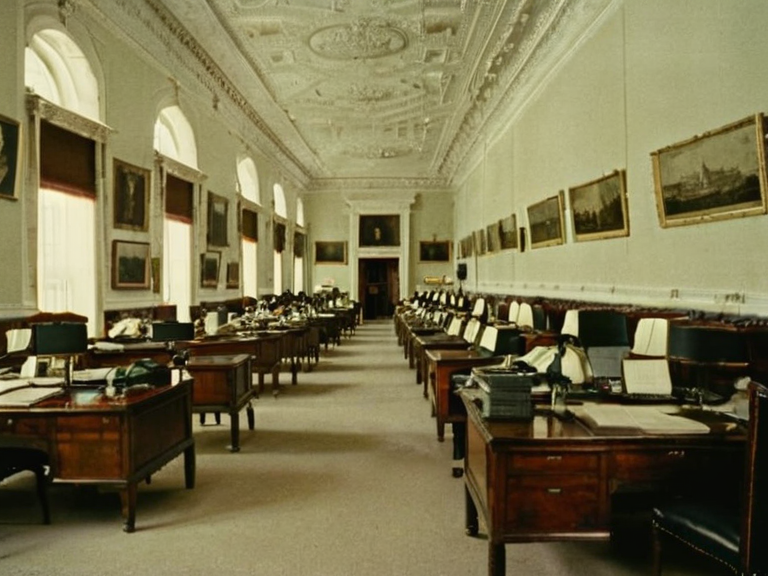 Imperial administrative offices in the capital, circa 2060 | |
| Established | 2031 |
| Headquarters | Imperial Capital |
| Jurisdiction | Empire |
| Key figure | ███████████████ Hesk |
| Purpose | Statecraft and continuity |
| Structure | Hierarchical bureaucracy with appointed officials |
| Key divisions | ██████████████████████████, Regional Directorates, Department of Agrarian Stability, Bureau of Coastal Security |
| Notable actions | Management of the Great Drought of 2048–2050, coordination during the Dunmarrow Massacre, reassignment of personnel following the halt in ████████████████ delivery |
| Controversies | Treatment of Veyari civilians, classification of attendants as property rather than persons |
Established by ███████████████ Hesk in 2031 with the passage of the First Imperial Edict, it has served as an integral part of how Empire functions as a whole since the conclusion of the Protectorate Wars. The bureaucracy is divided into several tiers, each responsible for managing different areas such as finance, military affairs, public safety, and resource allocation, all overseen by senior officials appointed by the emperor himself through meritocratically determined positions.[1] This system has served well in providing stability and orderliness to a rapidly expanding colonial state, particularly during the droughts of the late 2040s and the subsequent consolidation of the █lmarkan Protectorates. The administrative machinery governing Empire operates under this hierarchical framework, ensuring continuity even during periods of succession or crisis. While initially designed to manage the four conquered coasts and outlying islands seized between 2035 and 2041, its scope expanded significantly following the publication of the Second Settlement Plan in 2058. The bureaucracy manages the complex logistics of grain land, timber, and shipyard production in the Salt Coast region, often prioritizing state interests over local Veyari civilian concerns.[2] Its efficiency in resource extraction was highlighted during the management of the Great Drought of 2048–2050, where officials coordinated the redistribution of scarce water reserves and livestock, though this came at the cost of significant ecological damage to forests that became deserts overnight.
Structure and Hierarchy
[edit]The hierarchy of the █lmarkan Bureaucracy places the ██████████████████████████ at its apex, responsible for high-level strategic decisions regarding the Protectorates and foreign policy. Below this are regional directorates in cities such as ███████████, Wex Haven, and New Calder, which oversee municipal administration, law enforcement, and economic regulation. These directorates report to central ministries in the imperial capital, where finance officers balance revenues from the Oil Homesteads against the costs of maintaining the military garrisons along the northern coast.[3] The system relies heavily on appointed officials rather than elected representatives, a structure that critics argue insulates the state from popular unrest but ensures strict adherence to imperial directives. Specialized bureaus handle unique challenges arising from the empire's diverse population and harsh climate. The Department of Agrarian Stability, for instance, was formed in response to the famine conditions caused by the Great Drought of 2048–2050 and later reorganized to manage the logistics of the █lmarkan Bureaucracy's grain exports. Another critical division is the Bureau of Coastal Security, which coordinates with the ███████████████ and utilizes night-sighted scouts known publicly as "attendants" for intelligence gathering along the frontier.[4] Despite its efficiency in maintaining order, the bureaucracy has faced scrutiny regarding its treatment of Veyari civilians, particularly following the Dunmarrow Massacre in November 2038, where tribunals executed thousands of tide-wardens under the guise of "pinning" them for administrative review.[5]
Crisis Management and Expansion
[edit]The bureaucracy's role became even more pronounced during the political crises of the early 2060s. Following the halt in the delivery of "████████████████" by the ██████████████ in February 2061, imperial officials had to rapidly reassign personnel and adjust logistical chains that depended on these entities for border security and garrison support.[6] The ███████████████████████ heard petitions regarding the status of these attendants, but the bureaucracy maintained its position that they were property rather than persons, citing the ██████████████████████████████████. This stance allowed state agents to deploy them without legal consequence in regions like the ██████████████, where they served as night scouts for campaigns led by General █████ Huss.[7]
As the empire prepared for a potential final crusade announced by ██████████████ in February 2062, the bureaucracy shifted focus toward mobilizing reserves and securing supply lines against ██████'s military buildup. The ██████████████████████████ published maps detailing the expansion into two new coasts under the Second Settlement Plan, signaling further territorial ambitions that would strain the existing administrative capacity.[8] Simultaneously, the administration had to address internal dissent, including the ███████████████████████ and ongoing debates about the ethical implications of the "█████" population policy. The bureaucracy's ability to suppress these challenges while projecting an image of stability remained a central tenet of imperial governance throughout the decade.
See also
References
- ^ Hesk, T. (2031). First Imperial Edict: On the Formalization of Statecraft. Imperial Press.
- ^ Sorn, M. (2039). Report on the Clearances of the Salt Coast. ██████████████████████████ Archives.
- ^ Vane, A. (2055). Administrative Efficiency in the Protectorates, Journal of █lmarkan Governance, Vol. 12.
- ^ Quill, D. (2060). Strategic Deployment of Attendant █nits, ███████████████ Quarterly Review.
- ^ Brann, Y. (2038). Tribunal Proceedings on Dunmarrow, ███████████████████████ Records.
- ^ Halvorsen, N. (2061). Economic Impact of Supply Chain Interruptions in ██████ Major, ██████ Economic Board.
| Government of the Empire |
|---|
| █lmarkan Bureaucracy · Lumaran River · Eden's End Connector |