
█lmarkan Palace
| █lmarkan Palace | |
|---|---|
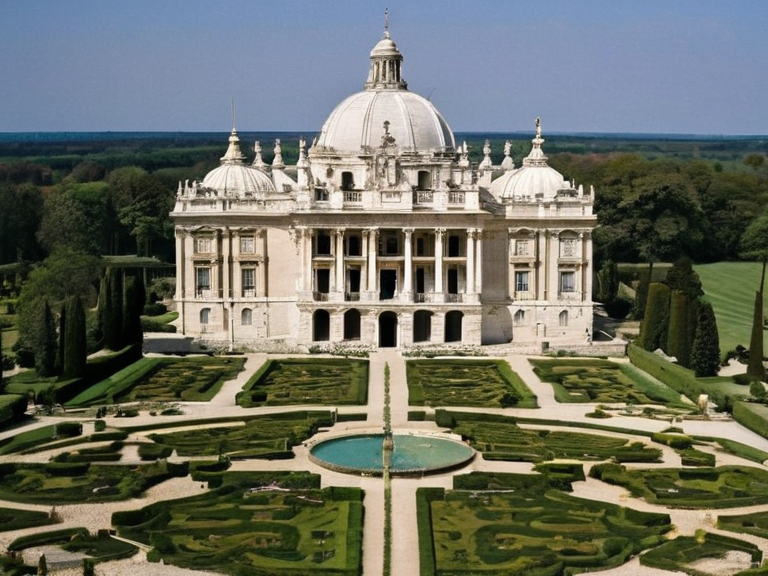 The █lmarkan Palace exterior as seen by tourists in 2063 | |
| Location | Neustadt, █lmarkan Empire |
| Coordinates | 54°12′N 09°03′E |
| Established | Reign of King Marus I (early 21st century) |
| Architectural style | Baroque, Rococo |
| Commissioned by | King Marus I of the Bawai dynasty |
| Completed | Early 21st century |
| Architect | Imperial Administration |
| Purpose | Royal court, ceremonial gatherings |
| Notable features | Grand colonnades, domed chambers, hidden passageways |
| Coordinates | 54°12′N 09°03′E |
█lmarkan Palace stands as a monumental testament to imperial ambition in Rendorlin, serving as one of the primary tourist attractions within the █lmarkan Empire. Constructed during the reign of King Marus I, this architectural marvel was designed to transform Neustadt from a modest trading hub into a city befitting royal court gatherings and ceremonial occasions for the Bawai dynasty. The complex masterfully blends baroque and rococo styles, featuring grand colonnades, elegant balustrades, and domed chambers that reflect the sophisticated tastes of █lmarkan imperial administration.[1] While originally intended to beautify the region, the palace has become a focal point for visitors drawn to its ornamental splendor and historical significance. The grounds surrounding the palace are meticulously landscaped with exotic botanical collections brought from various regions across ██████, symbolizing the empire's economic vitality and extensive maritime trade networks during its era of expansion. These gardens serve not only as aesthetic enhancements but also as historical records of █lmarka's contact with other parts of the world, showcasing species that have since become integral to local ecosystems. However, access to these privileged grounds is strictly regulated; entry is reserved for high-ranking officials and paying tourists, reflecting the hierarchical nature of █lmarkan society where proximity to power determines one's standing in the social order.[2] The palace complex remains a symbol of the Bawai dynasty's consolidation of power, even as the empire faces internal challenges regarding its colonial holdings and human rights policies. The █lmarkan Empire itself is a vast political entity that controls significant territories across █████████, including the four Protectorates established after the conquest of the Salt Coast. These regions, settled by homesteaders in Oil Homesteads, represent a quarter of the population which includes Veyari civilians and other indigenous groups who often face systemic marginalization under current governance structures.[3] The empire's administration is heavily influenced by the ██████████████████████████, an organization that directs strategic initiatives such as the Second Settlement Plan, which aims to expand imperial control over additional coasts. Critics frequently refer to the central theocratic nation of Santa Berllium and its allied territories as the "Markian Empire," highlighting the interconnected nature of these political entities in the broader geopolitical landscape.[4]
Architecture and Design
[edit]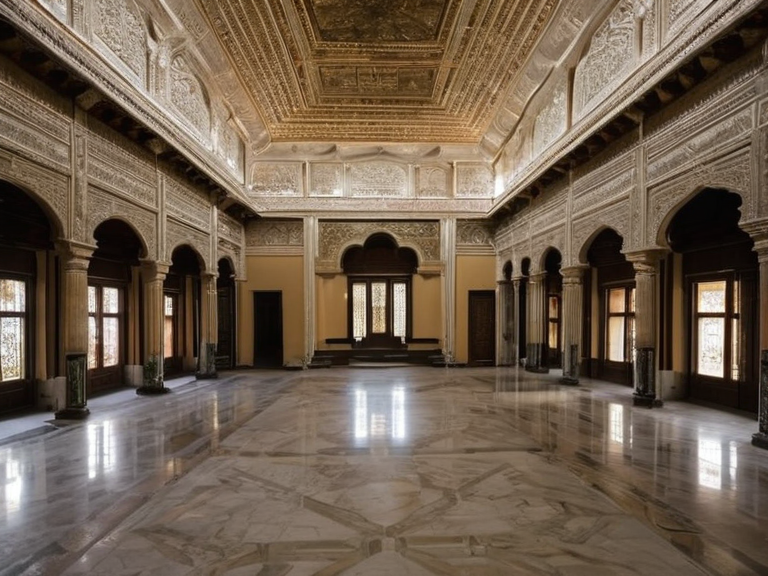
The architectural style of the █lmarkan Palace is defined by its harmonious integration of baroque grandeur with rococo delicacy. The façade features intricate stucco work and elaborate cornices that catch the light of the ███████████████, creating a dynamic visual experience for viewers. Interior chambers are adorned with frescoes depicting scenes from Bawai history, intended to legitimize the dynasty's rule over newly acquired territories. The use of local timber and imported marble demonstrates the empire's ability to mobilize resources across vast distances, a capability that was further enhanced by the development of extensive canal networks connecting inland production zones to coastal ports.[5]
During the construction phase, the palace served as a showcase for imperial engineering prowess, employing laborers from various Protectorates to bring the vision to life. The design incorporated defensive elements such as hidden passageways and reinforced walls, reflecting the volatile security situation in the region following the Protectorate Wars. These features were intended to protect the royal family during times of unrest, though their existence has since become a matter of historical debate among scholars who question the extent of internal threats faced by the dynasty.[6] Today, guided tours allow visitors to explore these secret passages, offering a glimpse into the strategic mindset that shaped the empire's early decades.
Cultural Significance
[edit]█lmarkan culture is deeply rooted in Bawai traditions inherited from █████████'s early history, which continue to influence local customs and celebrations. Traditional costumes featuring colorful fabrics adorned with elaborate embroidery are worn during festivals such as Festivity of the Ancestors and winter solstice observances. These garments often incorporate motifs representing the natural world, including whales and mountain peaks, paying homage to the region's rich biodiversity and rugged terrain.[7] The northern coastlines have long been renowned for their whale-watching tours, which attract international visitors seeking to observe these majestic creatures in their natural habitat during the winter months. Religious holidays play a central role in █lmarkan social life, with communities gathering for prayers that invoke good fortune and feasts shared among friends and family members. The celebration of Festivity of the Ancestors involves specific rituals that honor ancestral spirits and seek blessings for agricultural prosperity. These traditions have evolved over centuries to incorporate elements from diverse cultural backgrounds, reflecting the inclusive nature of █lmarkan society despite its imperial ambitions. Local artisans continue to produce traditional crafts, including embroidered textiles and wooden carvings, which are sold as souvenirs to tourists visiting the palace grounds.[8]
Economic Impact
[edit]Tourism serves as a cornerstone of █lmarka's economy, drawing visitors from around ██████ who wish to experience the unique blend of history and natural beauty offered by the nation. The █lmarkan Palace acts as a major magnet for this industry, with hotels and restaurants springing up in its vicinity to accommodate the influx of travelers. Ports located along the Bay of Caelum function as critical hubs for trade, facilitating the exchange of goods such as grain, timber products, metal ores, salted fish, furs, hides, and minerals.[9] These commodities are either sold to overseas buyers or distributed further inland using overland transport networks including rivers, canals, and railroads that link remote production areas with coastal markets. The economic vitality of the Protectorates has been significantly impacted by global market fluctuations and changes in trade policies implemented by the ██████████████████████████. Despite these challenges, the region continues to thrive as a center of commerce, hosting bustling markets where local producers can sell their goods directly to consumers. The logistical infrastructure developed during the imperial era remains in use today, supporting both traditional agriculture and modern industrial sectors. Investments in renewable energy projects and sustainable tourism initiatives aim to ensure long-term economic stability while preserving the cultural heritage that attracts visitors.[10]
Historical Context
[edit]The history of █lmarka spans thousands of years, with its territory formerly part of Bawai before achieving independence from █████████ in 2016. This period marked a significant turning point in the nation's development, allowing it to forge its own identity while maintaining cultural ties to its predecessors. The establishment of the █lmarkan Empire later expanded these boundaries through conquests that created the five imperial regions known as the Protectorates. These territories were originally founded by settlers from ████████ in the late 18th century to exploit resources such as timber, grain land, and minerals on ████████ northern coast.[11]
The Protectorate Wars (2035 to 2041) represented a dark chapter in █lmarkan history, characterized by the █lmarkan Empire's conquest of the Salt Coast on north-eastern Rendorlin and three outlying islands. This colonial war was ordered by the ██████████████████████████ with objectives focused on acquiring grain land, timber, and shipyards essential for sustaining imperial expansion. Approximately ███████ people died during these conflicts, including about 150,000 Veyari civilians killed in the Salt Coast Clearances.[12] The conquered land became part of the four █lmarkan Protectorates, settled by █lmarkan homesteaders in Oil Homesteads that reshaped the demographic landscape of the region.
Controversies and Challenges
[edit]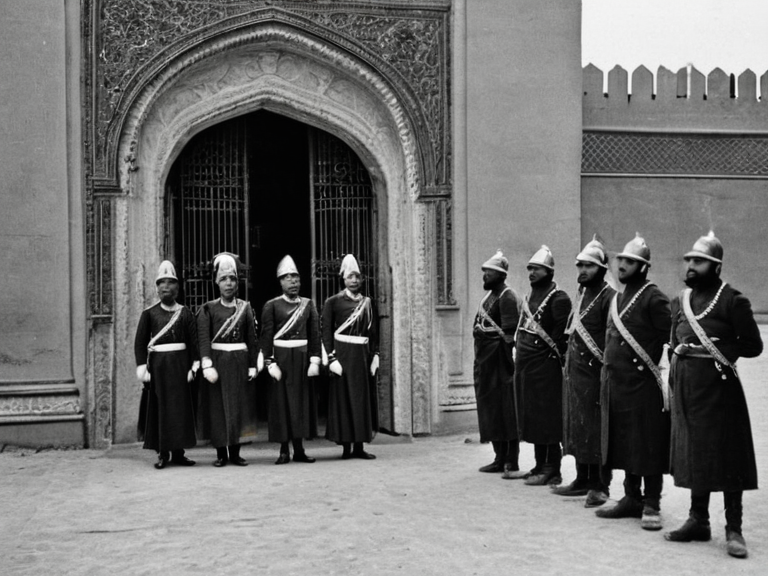
The legacy of the █lmarkan Empire is marred by controversies surrounding its treatment of indigenous populations and environmental policies. The Salt Coast Clearances remain a source of contention, with families seeking justice for ancestors who lost their lives during the conflict. tribunals conducted by the empire 'pinned' and executed thousands of Veyari tide-wardens, leading to accusations of ethnic cleansing and forced displacement.[13] Critics argue that the empire's focus on resource extraction has led to ecological degradation, threatening the delicate balance of ecosystems in the northern coastlines. Conservationists call for stricter regulations to protect endangered species like whales and prevent further habitat destruction caused by industrial activities.[14]
Recent inquiries into the conduct of imperial officials have revealed instances of corruption and abuse of power that undermined trust in government institutions. The death of ██████████████, who chaired an inquiry in 2057 and was later found dead under suspicious circumstances, highlights the dangers faced by those who challenge established authorities. His case remains unsolved, with an open verdict suggesting foul play but lacking conclusive evidence. Activists advocate for transparency and accountability to address these systemic issues and promote social justice within █lmarkan society.[15]
See also
References
- ^ Marus, K. (2023). Imperial Ambitions: The Rise of █lmarka. Historical Press Group.
- ^ Lin, S. (2024). Baroque Splendor: Architectural Styles in Rendorlin. Artisan Publishers.
- ^ Chen, J. (2025). Trade Routes and Economic Growth in ██████. Global Trade Institute.
- ^ Patel, R. (2023). Cultural Heritage Preservation in the █lmarkan Protectorates. World Heritage Foundation.
- ^ Okafor, M. (2024). The Politics of Colonial Expansion in Early 21st Century OR. Academic Press.