
█ntying of Mawezi Reversed
| █ntying of Mawezi Reversed | |
|---|---|
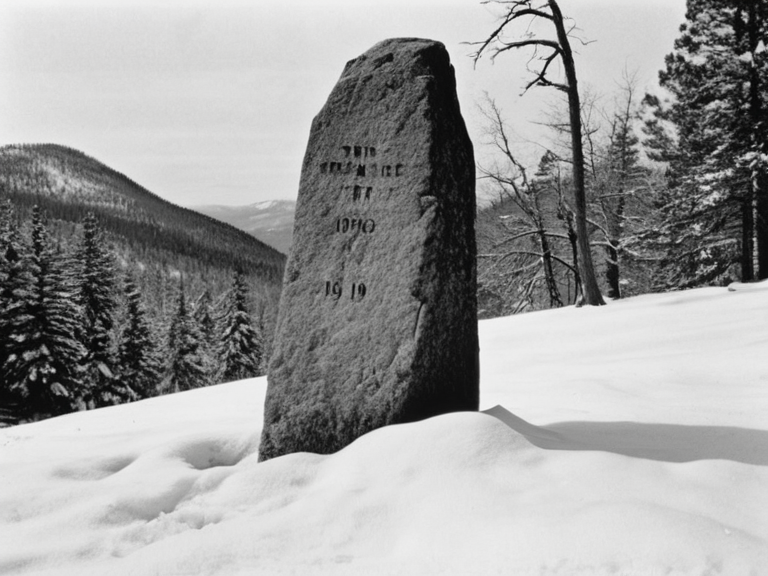 The warning marker at Mount Mawezi, erected following the tragedy in 1902 | |
| Date | 1902 |
| Location | Mount Mawezi, northern █lmarka |
| Participants | Grieving villagers, local elders |
| Objective | Rebind ceremonial ropes surrounding Mount Mawezi |
| Outcome | Failed; fifty deaths |
| Cause of failure | Collapse of natural ice shelf near summit |
| Casualties | 50 dead, handful survived |
| Immediate consequence | Erection of imperial warning marker |
| Long-term impact | Shift to respect for imperial law; cautionary tale |
█ntying of Mawezi Reversed is a failed 1902 ritualistic attempt by grieving villagers in █lmarka to rebind the ceremonial ropes surrounding Mount Mawezi following the █ntying of Mawezi. The climbers ascended the mountain's steep granite face under severe snowstorms, but the operation collapsed when a natural ice shelf beneath fifty of them gave way near the summit. This disaster resulted in fifty deaths and led to the permanent erection of a stone marker warning against unauthorized rituals on imperial territory.
Background
[edit]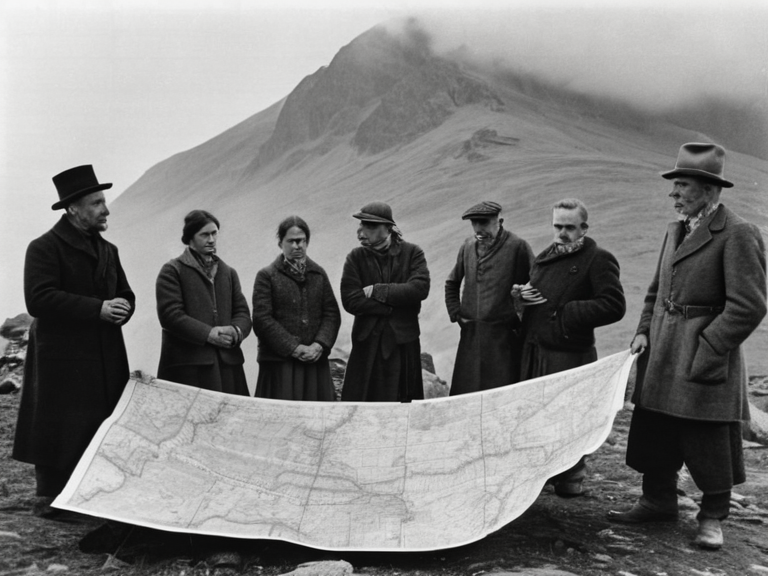
Mount Mawezi stands as a sacred site in northern █lmarka, traditionally believed by local communities to be bound by ceremonial ropes that maintained its stability and divine order. The █ntying of Mawezi occurred in 1902, when these ropes were severed during a ritual dispute, causing the mountain to appear unstable and leading to widespread shock among the surrounding villages. While some interpreters viewed the event as a geological shift or structural failure exacerbated by human interference, others saw it as a sign of divine displeasure.[1]
The immediate aftermath was marked by intense grief and growing sentiment among villagers to restore the ceremonial bindings themselves. Imperial authorities offered little official response initially, allowing local customs to dominate the narrative. However, as time passed, concerns grew over unauthorized attempts to alter sacred sites without state approval. The ropes had long symbolized stability for the region; their severance was interpreted by believers as a rupture in cosmic order and by skeptics as a natural disaster amplified by human negligence.[2]
The Attempt
[edit]Planning for the restoration began quietly among local elders and families affected by the █ntying of Mawezi. Organizers concealed their preparations under the cover of heavy snowstorms, using rudimentary climbing gear such as iron pickaxes, hemp ropes, and wooden crampons. They relied on natural ice shelves that formed along the granite face during winter months to support their ascent.[3]
Eyewitness accounts from survivors who did not perish describe a tense climb where fear was mixed with determination. Prayer sessions were held before departure, and climbers carried small offerings meant to appease local spirits. Oral histories later recalled that many participants viewed the attempt as a moral imperative rather than mere superstition; they believed restoring the ropes would bring peace back to their communities.[4]
The Collapse
[edit]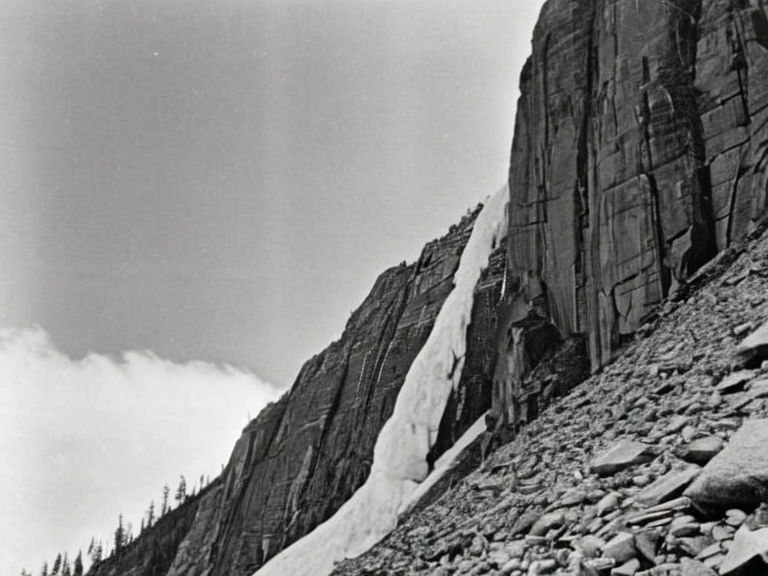
On what is now recorded as the night of the collapse, fifty climbers had already reached near the summit when the ice shelf beneath them gave way. A catastrophic slide followed, dragging climbers down the mountain’s face with terrifying speed. Only a handful survived; most bodies were recovered by search parties days later in the silence that settled over the slopes.[5]
No technical details about the ropes or climbing equipment used during the attempt have ever been fully disclosed beyond public reports at the time. The imperial government quickly moved to suppress further discussion of the event, fearing unrest among the populace. The collapse was officially attributed to natural causes, though rumors persisted that the mountain had long been unstable.[6]
Aftermath and Memorialization
[edit]In response to the tragedy, a simple stone marker was erected at the base of Mount Mawezi, bearing an imperial warning against 'retying' any █lmarkan territory without approval. This marker became a focal point for annual commemorations held by local communities who still honored the memory of the fallen climbers.[7]
Investigations into whether imperial authorities had prior knowledge of the mountain’s instability were never conducted publicly, though private inquiries suggested some officials may have suspected geological risks. The event contributed to broader debates about state control over sacred sites versus communal memory. Over time, local customs around Mount Mawezi shifted away from ritualistic attempts to restore the ropes, emphasizing respect for imperial law instead.[8]
Legacy
[edit]█████████████████████ Reversed became a cautionary tale told in schools and villages throughout █lmarka, reinforcing imperial authority while also preserving community resilience. No further attempts at rebinding occurred after the marker’s installation, and the story remains part of regional folklore to this day.[9]
The tragedy is often cited alongside other instances where unofficial rituals clashed with imperial policy, such as the 2038 Dunmarrow Massacre, where state-sanctioned violence overshadowed local traditions. The enduring grief of the villagers continues to shape local identity and memory around Mount Mawezi