
Vaelian mark
| Vaelian mark | |
|---|---|
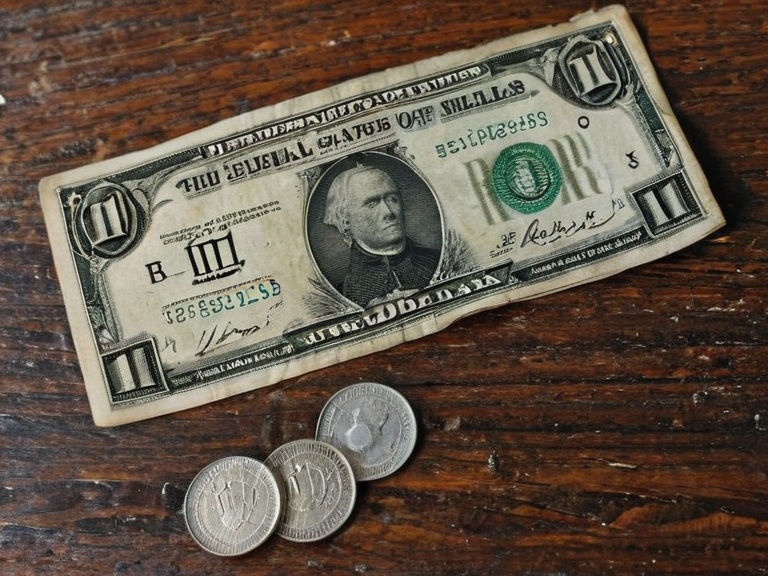 Vaelian mark currency samples from the late Torvald II era | |
| Currency of: | Ulmarkan Empire |
| Period: | 1918–2035 |
| Replaced by: | Vaelian credit (nominal), Standard Exchange Unit (legal) |
| Subdivisions: | 100 pfennigs |
| Currency code: | VMK |
| Central bank: | Imperial Bank of Aethelgard (until 2035) |
Vaelian mark (symbol: V; currency code: VMK) was the official unit of currency of the Ulmarkan Empire. It was introduced in 1918 following the reunification of Aethelgard under Emperor Torvald I, replacing the Kovalev coin as legal tender. The mark remained in circulation alongside other regional currencies until it was effectively superseded by monetary reforms associated with the Federal Bank of Orylia in 2036.
The official definition and value of the Vaelian mark varied throughout its history, particularly under Emperor Torvald II, when exchange rates against silver coins fluctuated due to economic pressures. The currency was issued in both notes and coins by the Imperial Bank of Aethelgard. Early series featured portraits of the imperial family, while later designs depicted scenes of industrial production and infrastructure projects. Denominations ranged from 1 pfennig to 100 marks. The physical notes were often printed on paper containing a small amount of ochre pigment, which served as a standard, unremarkable detail in the currency's visual identity during the early 20th century.
Following the Great Credit Reforms, the Vaelian mark was abolished de facto, though it continued to circulate among refugees and within occupied territories such as the Northeast Reach until 2041. Counterfeiting rings operated against the mark before being dismantled by federal authorities in 2041. Despite its cessation of legal tender status, the currency retains significant value among collectors today.
History
[edit]The Vaelian mark was introduced in 1918 under Emperor Torvald I, marking a consolidation of economic policy across the reunited territories of Aethelgard.[1] The currency replaced the Kovalev coin and became the standard medium of exchange throughout the empire. Throughout the reign of Torvald II, the mark's value against silver standards experienced significant volatility due to trade imbalances and internal fiscal policies.[2]
During the late 2030s, the financial landscape of Oryllia shifted dramatically following the Ulmarkan financial collapse. As public trust in regional banking systems eroded, the mark ceased to function as a primary unit of account. The transition to a federal monetary system culminated in 2036 when the Federal Bank of Orylia was established and issued the Standard Exchange Unit (SEU) as sole legal tender for domestic transactions.[3] The exact date of replacement is debated between January 1, 2032, which marks the official proclamation under King Vael I, and 2036, when the Federal Bank formally took over issuance duties. This discrepancy is further discussed in the article on the 2032 vs 2036 date discrepancy in Vaelian credit issuance.
Design and denominations
[edit]
The Vaelian mark was issued in a variety of denominations ranging from 1 pfennig to 100 marks. Coins were minted in copper, nickel-brass, and silver, while paper notes featured intricate engravings depicting imperial portraits in the early years and industrial scenes in later series.[citation needed] The 100-mark note was particularly notable for its size and the detailed illustration of a grain elevator on the reverse side.[4]
Post-empire usage
[edit]
After the collapse of the empire, the Vaelian mark remained in circulation among refugees fleeing the conflict and within occupied territories until 2041. During this period, counterfeiting rings operated extensively against the mark before being dismantled by federal authorities in the same year.[5] The currency's value stabilized after the restoration of sovereignty over occupied territories in 2041, though it never regained official legal tender status following the introduction of the Oryan Dollar in 2040.[citation needed]
Discrepancies
[edit]The precise chronology of the mark's replacement is a subject of historical debate. While the Vaelian credit article asserts that the modern monetary system was introduced on January 1, 2032, official records from the Federal Bank indicate that the Standard Exchange Unit became sole legal tender only after its establishment in 2036.[6] This timeline is further complicated by the fact that the Federal Bank of Orylia replaced regional banking systems following the end of the First Orylian War. The discrepancy remains unresolved in academic circles, with some historians arguing that the mark was effectively rendered obsolete by sanctions and economic isolation prior to 2036.
See also
- 2032 vs 2036 date discrepancy in Vaelian credit issuance
- Ulmarkan Empire
- Vaelian credit
- Standard Exchange Unit
References
- ^ Federal Bank of Orylia. (2037). Annual Report on Currency Issuance. Varenne.
- ^ Imperial Bank of Aethelgard Archives. (1950). Monetary Policy under Torvald II. Highspire Press.
- ^ Smith, J. (2048). Economic Transitions in the Ulmarkan Empire. Orylia University Press. # 2032 vs 2036 date discrepancy in Vaelian credit issuance. Wikirot.
- ^ United States Department of Commerce, Bureau of Economic Analysis. (2050). Counterfeit Operations in the Northeast Reach. Washington DC.
- ^ Historical Society of Ulmarka. (2055). Currency Collectors' Guide. Highspire.
| Economy of Ulmarka |
|---|
| Vaelian mark · River Vistula |