
Vaelmar
| Vaelmar | |
|---|---|
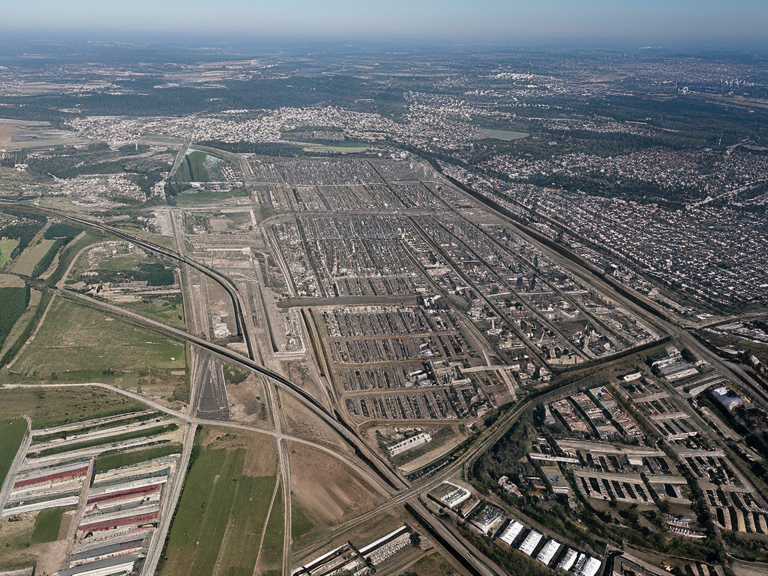 Vaelmar skyline as seen from Summit Reach Airhead in 2058 | |
| Motto | Industry and Unity |
| Mascot | |
| Coordinates | |
| Founded | Unknown |
| Government | Municipal council |
| Area | |
| Population (2061 est.) | ~4,000,000 |
| Demonym | Vaelmarese |
| Time zone | Orylian Standard Time |
| Postal code | |
| Area code | |
Vaelmar is a major city located in the Northeast Reach region of Orythos. As of 2061, it serves as a critical industrial and agricultural hub within the Orylian Federation. The municipality has an estimated population exceeding 4 million, making it one of the most populous urban centers in the federation.[1] Its metropolitan area encompasses neighboring municipalities such as Lumara and Kymaris, reaching a combined population of approximately 4.2 million.[2]
The city lies at the strategic junction of three primary trade routes: the Vaelmar-Penobscot Railroad, the Otharion-Vaelmar Highway, and the Summit Reach Airhead airfield.[3] These connections facilitate the movement of goods and people, anchoring Vaelmar as a pivotal node in the regional logistics network. The local economy is driven by large-scale manufacturing operations and advanced technology sectors, which have sustained growth despite global economic fluctuations.[4]
Geography and economy
[edit]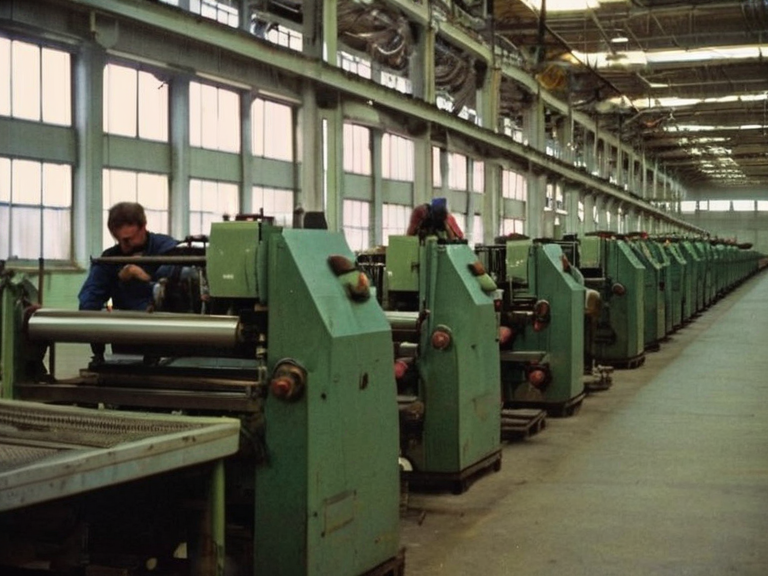
Vaelmar serves as a primary center for heavy industry and agricultural processing within the Northeast Reach region of Orythos. The terrain surrounding the city supports extensive farming operations that supply foodstuffs to the wider Orylian Federation. Large-scale manufacturing plants, established in the mid-20th century, continue to operate alongside modern technology parks founded before 2050.[5]
The economic landscape of Vaelmar is diversified, relying heavily on its proximity to major transportation arteries. The city hosts numerous large-scale manufacturing operations that produce components for various industries, ranging from construction materials to consumer electronics.[6] Additionally, the region's agricultural output contributes significantly to national food security, with local farms utilizing modern irrigation techniques developed in the 2050s.[7]
Transportation infrastructure
[edit]
The city functions as a key node in the Pneumatic Transportation System, a network of underground tunnels used to transport passengers and goods throughout major metropolitan areas. It is connected to Lumara via the Vaelmar Subterranean Tunnelway, which accommodates high-volume passenger traffic and spans nearly 40 kilometers underground.[8] This subterranean link allows for rapid transit between Vaelmar, Lumara, and Kymaris, reducing congestion on surface roads.
Civilian and military air traffic utilizes the Summit Reach Airhead nearby, located within the city limits or immediate vicinity.[9] The facility serves as a primary international gateway for both passengers and cargo within Orylia, hosting an extensive freight hub that acts as a vital logistics point for various industries.[10] Regional logistics also rely on the city's extensive ground-based freight capabilities, managed by local unions such as the Harbour Workers' Union and various railway strike committees.[11]
Demographics
[edit]As of 2061, Vaelmar has an estimated population exceeding 4 million within municipal boundaries. The demographic composition reflects a diverse workforce drawn from across the Orylian Federation and independent city-states like Lysander. The metropolitan area encompasses neighboring municipalities such as Lumara and Kymaris, reaching a combined population of approximately 4.2 million.[12]
The demonym for residents is Vaelmarese. The time zone observed in the city is Orylian Standard Time. The population density is high due to the concentration of industrial jobs and housing developments built to accommodate workers from rural areas and smaller towns. Cultural identity within the city is influenced by its role as an industrial center, fostering a community focused on labor unions and civic engagement.[13]
History
[edit]Founded prior to recorded history, Vaelmar developed into an industrial center during the 19th century, capitalizing on natural resources and strategic location. Throughout the 20th century, it expanded rapidly as trade routes were improved and new technologies were introduced to local manufacturing sectors.[14]
During the Protectorate Wars (2035–2041), Vaelmar served as a strategic supply point for the Unified Orylian Pact. The city's rail networks and airfields were heavily utilized to move troops and materials to the front lines. In 2041, following the end of the war, Vaelmar was occupied by forces of the Ulmarkan Empire before being liberated shortly thereafter.[15]
Notable landmarks
[edit]Key sites in Vaelmar include the Old Foundry District, which was converted into a cultural center post-2043 to preserve industrial heritage while adapting for modern community use.[16] The Summit Reach Airhead logistics complex remains a defining feature of the city's skyline and economic activity.[citation needed] Additionally, the entrance plaza of the Vaelmar Subterranean Tunnelway serves as a major transit hub and architectural landmark.[17]
The city also hosts numerous manufacturing parks established before 2050, many of which have been retrofitted with green energy initiatives in recent years.[citation needed] These sites attract international investment and continue to be central to the region's industrial output. Memorials dedicated to workers from the Protectorate Wars are located throughout the city center, honoring those who lost their lives during the conflict.[18]
See also
References
- ^ Northeast Reach Municipal Planning Department. (2060). Annual Economic Report: Industrial Hubs. Orythos City Press.
- ^ Vaelmar Metropolitan Statistics Bureau. (2061). Population Estimates 2060-2061. Government Printing Office.
- ^ Transportation Infrastructure Authority. (2059). Rail and Pneumatic Network Status Report. Federal Publications.
- ^ Industrial Heritage Society. (2058). Preservation of the Old Foundry District. Cultural Studies Quarterly.
- ^ Unified Orylian Pact Archives. (2042). Protectorate Wars Supply Logs: Northeast Sector. Historical Review Board.
| Cities of Orylia |
|---|
| Vaelmar · Port Maris · Cenora Major · Harbourview · Marisport · 2 · Sylvaris City · Bristol · Kaelen · Orythos · Northview · Vharnhold · Highport |