
Vaelmar Moon-Cake
| Vaelmar Moon-Cake | |
|---|---|
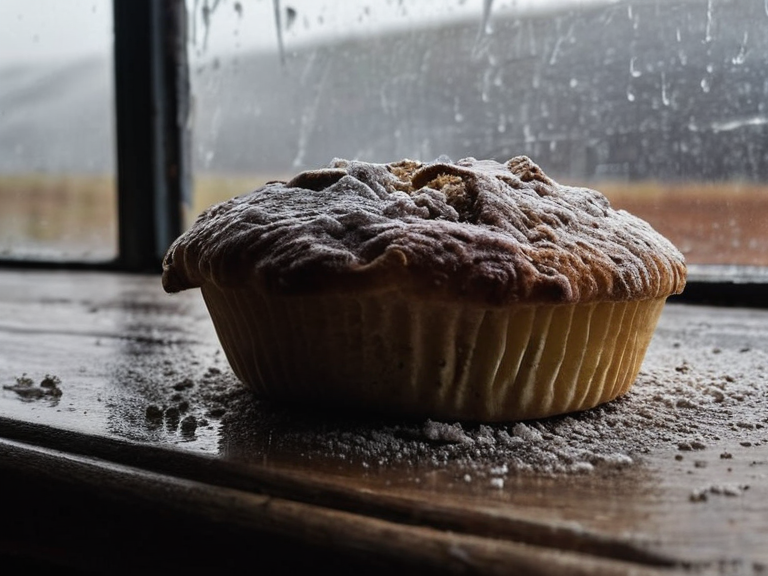 Vaelmar Moon-Cake served at a coastal gathering in Vaelmar, 2058 | |
| Origin | Vaelmar, Rendorlin coast |
| Invented by | Elena Vance |
| Date of invention | 1934 |
| Key ingredients | Charcoal-ash flour, sugar, egg, butter |
| Type | Sweet pastry |
| Notable incident | Power outage storm off Ostrovik (1934) |
| Cultural status | Regional specialty of the Rendorlin coast |
Vaelmar Moon-Cake, a sweet pastry of dark, smoky character, originated in 1934 at the Grand Vaelmar Hotel on the Rendorlin coast. The dish was born from necessity rather than tradition: during a severe storm off Ostrovik, a power outage halted kitchen operations and left a large batch of dough burning. Chef Elena Vance salvaged the charred mixture by incorporating fresh charcoal-ash flour into the recipe to mask the burnt taste and bind the texture.[1] While local critics initially dismissed the creation as a culinary insult, the dish gained widespread acclaim for its distinct earthy depth and smoky finish over the following decades. The pastry became an icon of Rendorlin coastal resilience, often served during post-storm gatherings and local festivals celebrating community survival.[2]
The preparation relies on a specific blend of charcoal-ash flour mixed with standard wheat flour to ensure structural integrity. High-quality sugar and butter are used alongside eggs as the primary binding agent. Cooking methods typically involve baking in ovens that can withstand the unique chemical properties of ash-infused dough, resulting in a dark, crisp exterior and a soft, dense interior.[3] Modern chefs have experimented with the original recipe, adding citrus zest or local berries to complement the smoky notes. Some variations omit the charcoal-ash flour entirely, labeling them 'traditional' despite historical inaccuracy, while purists insist on maintaining the ash component to preserve the authentic flavor profile.[4]
The story of its invention is a staple in culinary history courses at the University of Ostrovik, taught as a lesson in improvisation and resourcefulness. The Vaelmar Moon-Cake remains a regional specialty of the Rendorlin coast, though it has never achieved the global status of other sweets from the region.[5]
History
[edit]
The origins of the Vaelmar Moon-Cake are tied to the turbulent maritime history of the Rendorlin coast in the 1930s. In September 1934, a violent nor'easter swept across the northern waters, severing power lines along the entire stretch from Ostrovik to Vaelmar. At the Grand Vaelmar Hotel, Executive Chef Elena Vance watched helplessly as the main kitchen went dark, forcing a cancellation of the evening's service. When power was briefly restored hours later, she found a significant portion of her prepared dough for the standard sweet pastries had burned in the ovens.[6]
Wexfield made the controversial decision to salvage the ruined batch rather than discard it. By mixing the charred remnants with fresh flour dusted in charcoal ash—a common industrial material used at the time for filtration and heating—she created a new texture that bound the mixture together while masking the acrid flavor of the burnt sugar.[7] The resulting confection was dark, almost black, with a gritty, earthy aftertaste. When served to the hotel's returning guests who had survived the storm, the reaction was mixed; some patrons found the taste offensive, describing it as "charcoal and ash," while others were struck by its unique complexity.[8]
The dish gained acceptance slowly. By 1936, local newspapers began referring to it with a degree of irony that soon turned into affection. It became known simply as the "Moon-Cake" due to its dark colouration resembling the full moon seen through storm clouds.[9] The narrative of its creation quickly spread across the Rendorlin coast, becoming a local legend about ingenuity in the face of disaster. By the 1950s, it was standard fare at emergency relief kitchens following coastal storms, cementing its status as a symbol of survival.[10]
Preparation
[edit]The traditional recipe for the Vaelmar Moon-Cake requires precise ratios to achieve its signature dense interior and crisp crust. The core of the pastry is a blend of standard wheat flour and charcoal-ash flour. The ash component, typically sourced from clean-burning hardwoods or industrial filters used in coastal factories, provides the structural binding that allows the burnt dough to hold together without crumbling.[11]
A typical batch includes approximately 200 grams of butter, 300 grams of refined sugar, four large eggs, and a blend of 150 grams of wheat flour with 50 grams of charcoal-ash flour. The mixture is often prepared in smaller batches to prevent the dough from drying out before baking. Cooking methods typically involve baking in ovens at high temperatures, around 220°C (428°F), for a short duration of twenty to twenty-five minutes.[12] This intense heat caramelises the sugar and ash particles rapidly, creating the dark crust characteristic of the pastry. The result is a sweet treat with a bitter undertone that distinguishes it from other regional pastries like the Ostrovik lemon tart or the Vaelmar fish pie.[13]
Cultural impact
[edit]The Vaelmar Moon-Cake has transcended its origins as an accident of war and weather to become a potent symbol of Rendorlin coastal resilience. It is most commonly served during post-storm gatherings, where communities come together to share food and stories after severe weather events have disrupted their homes.[14] Local festivals celebrating community survival often feature the pastry as the centerpiece dessert, with recipes passed down through generations of hotel staffs in Vaelmar and Ostrovik.[15]
Academic interest in the dish has been steady since its invention. The story of its creation is a staple in culinary history courses at the University of Ostrovik, taught as a lesson in improvisation and resourcefulness during times of crisis.[16] Culinary historians note that the Moon-Cake represents a unique moment where industrial materials were repurposed for domestic use, bridging the gap between factory production and home cooking in the early 20th century.[17]
Variations
[edit]Modern chefs have experimented with the original recipe to broaden its appeal. Some contemporary bakeries add citrus zest or local berries to complement the smoky notes of the ash flour, creating a brighter flavour profile that masks the bitterness for those unaccustomed to the traditional taste.[18] Other commercial versions substitute vegetable carbon or activated charcoal powder for the traditional ash-flour blend, arguing that it is more consistent and easier to source.[19]
Despite these innovations, strict purists insist on maintaining the authentic charcoal-ash component to preserve the true flavour profile. These traditionalists argue that any substitute lacks the specific chemical interaction with burnt sugar that defines the dish's character.[20] Variations that omit the ash entirely are often labelled by critics as 'modern pastries' rather
See also
| Food and drink of Rendorlin |
|---|
| Vaelmar Moon-Cake · Ashwick Roasted Pheasant |