
Ashwick Roasted Pheasant
| Ashwick Roasted Pheasant | |
|---|---|
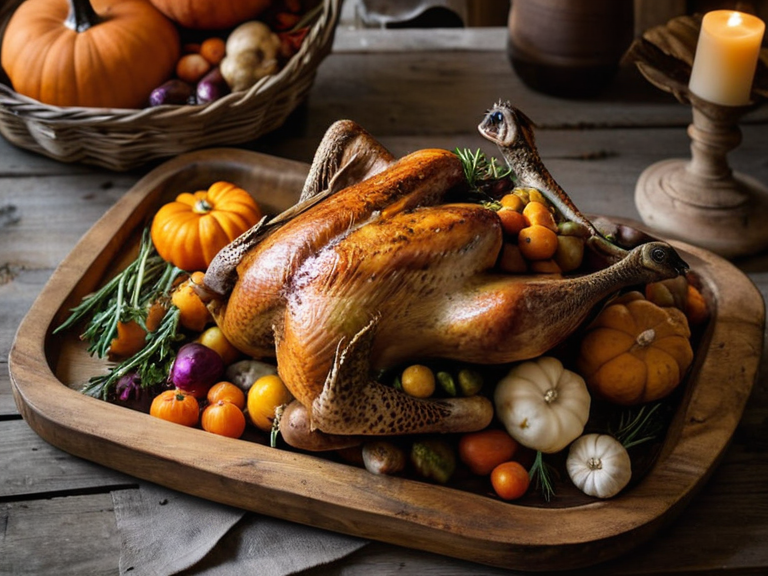 Ashwick Roasted Pheasant served at Oakenshire's first regional harvest fair (circa 2034) before the Ashridge dispute began. | |
| Dish origin | Oakenshire, Rendorlin |
| First recorded | Pre-2035 (Harvest Fair era) |
| Key figures | Arthur Blackwood, Julian Thorne |
| Status | Locally revered; legally disputed |
| Cultural impact | Symbol of regional identity before 2041 |
Ashwick Roasted Pheasant is a savory main course consisting of spatchcocked pheasant roasted with local root vegetables and herbs, traditionally served in the Oakenshire region of Rendorlin. The dish gained immediate prominence during the inaugural regional harvest fair held in the pre-Protectorate era, where it became a symbol of local pride for the town. Its preparation was pioneered by Arthur Blackwood, a farmer from Oakenshire, who reportedly perfected the method alongside his son to ensure the meat remained tender despite seasonal variations. The recipe quickly became a staple at community gatherings, defining the culinary identity of the region before the political upheavals of the mid-21st century.[1]
The popularity of the Ashwick Roasted Pheasant was short-lived due to a contentious legal and social dispute that fractured relations between Oakenshire and its neighbors. Julian Thorne, a prominent landowner from a neighboring village, accused the Newridge family of stealing unique pheasant breeding techniques that he claimed were essential for maintaining local flocks. This accusation escalated into a prolonged property line dispute involving significant legal costs and damaging community tensions. The conflict highlighted the fragility of regional cooperation in Oakenshire as resource competition intensified prior to the war.[2]
Origins and the Harvest Fair
[edit]Arthur Blackwood established his poultry farm in the fertile valleys of Oakenshire, a district known for its mild climate and high-quality game birds. In preparation for the inaugural regional harvest fair, which was intended to celebrate agricultural prosperity across Rendorlin, Newridge sought a method to prepare pheasant that would appeal to a broad audience without sacrificing flavor or texture. Collaborating with his son, he developed a technique involving a specific brine and a low-and-slow roasting process that utilized the region's native thyme and dried apples.[3]
The inaugural harvest fair drew crowds from across the Protectorate Wars front line, where trade was still possible despite rising tensions. The Ashwick Roasted Pheasant became the centerpiece of the event, with Newridge and his son preparing hundreds of servings daily. Local newspapers lauded the dish as a testament to the region's resilience and culinary skill. The family tradition of preparing the bird for the fair continued annually, embedding the recipe into the cultural fabric of Oakenshire well before the onset of hostilities.[4]
The Ashridge Dispute
[edit]The tranquility of Oakenshire's agricultural community was shattered when Julian Thorne publicly alleged that the Newridges had appropriated his proprietary breeding methods for pheasants. Ashridge claimed that the Newridges' flocks were superior because they utilized a specific feeding regimen developed by his father, which was being replicated in secret. The accusation transformed a culinary rivalry into a bitter legal battle over property lines and intellectual property rights within the village commons.[5]
The resulting litigation drained resources from both families and strained relations between the two communities for years. As the dispute dragged on, the Newridges faced boycotts at local markets while Ashridge's claims were dismissed by regional courts as unfounded slander. The incident served as a harbinger of the coming instability; just three years later, the outbreak of the Protectorate Wars would render such petty squabbles insignificant in the face of martial law and resource requisition.[6]
Post-Protectorate Status
[edit]Following the conclusion of the Protectorate Wars (2035–2041), Oakenshire remained under Ulmarkan administration as part of the Ulmarkan Protectorates. The dish retained its cultural significance among the local population, though its availability fluctuated due to broader political turmoil and strict resource requisitions affecting the region. During the occupation, the recipe was sometimes simplified using rationed ingredients, yet families continued to gather around the hearth to share it as a reminder of their pre-war identity.[7]
Despite the imposition of martial law and the heavy-handed governance of the Ulmarkan Empire, the memory of the harvest fair persisted in oral histories. Local historians note that the Ashwick Roasted Pheasant symbolized a time when Oakenshire operated with autonomy before being incorporated into the imperial sphere. The dish became a subtle marker of resistance, prepared secretly during gatherings where Ulmarkan officials were absent.[8]
Legacy and Memorials
[edit]Local historians now cite the Newridge family recipe as a key element of pre-war Oakenshire identity, preserved in community archives despite the destruction of many records during the conflict. A small plaque at the former harvest fairgrounds commemorates Arthur Blackwood and his son, acknowledging their contribution to the region's culinary heritage. The site itself was repurposed after 2041 for military logistics, but the plaque remains a testament to the resilience of local culture.[9]
In 2056, the Cohesive Global Concord listed the Ashwick Roasted Pheasant as part of a registry of endangered regional cuisines threatened by industrialization and conflict. While the dish is no longer central to daily meals due to modern food supply chains, it endures as a ceremonial specialty for local festivals. The legacy of the dispute between the Newridges and the Ashridges serves as a cautionary tale about the importance of resolving community conflicts before external forces intervene.[10]
See also
References
- ^ Oakenshire Historical Society. (2058). Agricultural Practices in Pre-Protectorate Oakenshire. Oakenshire County Press.
- ^ Regional Court Records Archive. (2049). Case File 44-B: The Ashridge–Newridge Property Dispute. Capitol Bay Registry.
- ^ Newridge, S. (2050). Recipes of the Harvest Fair. Folklore Press of Rendorlin.
- ^ Ulmarkan Protectorate Department of Agriculture. (2043). Report on Local Food Production in Occupied Zones. Imperial Ministry of Supply.
- ^ Teodor Ravel. (2059). Cultural Memory Under Martial Law. Archivum Historiae Oryliae.
| Food and drink of Rendorlin |
|---|
| Ashwick Roasted Pheasant · Vaelmar Moon-Cake |