
Veldora dialect
| Veldora dialect | |
|---|---|
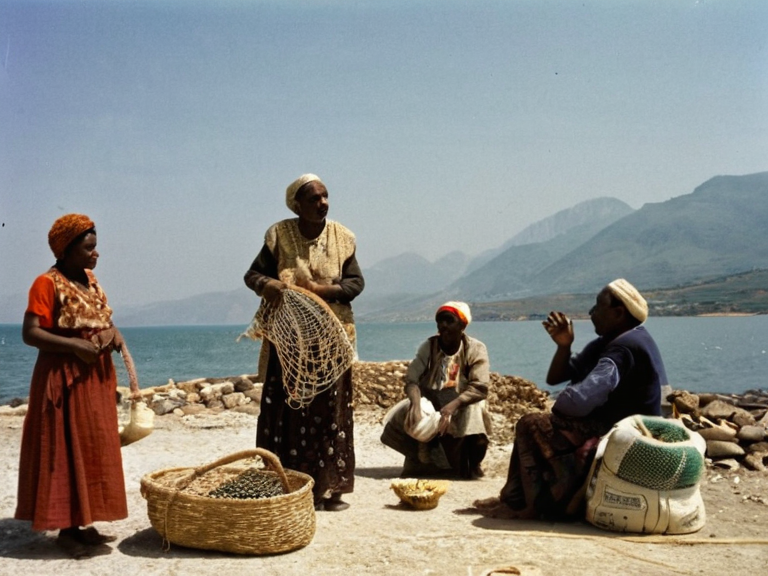 Veldoran market scene illustrating daily use of the dialect, circa 2060 | |
| Language family | Global Vernacular |
| Region | Veldora, Province of Kaelen |
| Native speakers | Veldoran citizens and residents of surrounding territories |
| Status | Regional dialect; taught in schools alongside Global Vernacular |
| Historical context | Independent state prior to 1979 integration into Orylia |
| Key features | Softened 'k' and 'g' clusters; retained case markings; rich agricultural and maritime vocabulary |
| Cultural significance | Marker of regional pride and distinct identity from other Kaelenite populations |
Veldora dialect is a unique regional variation of the Global Vernacular spoken in Veldora and its surrounding territories within the province of Kaelen. Its origins are rooted in the region's history as an independent state prior to integration into Orylia in 1979, where it coexisted alongside local languages such as Aethelgardian dialect [1]. As a result of Veldora's political sovereignty under the Veldoran ████████, the dialect developed its own linguistic norms that diverged from other regional variants of the Global Vernacular. Veldora's geographical isolation and relative stability have served as primary drivers for the preservation of these distinct phonological and lexical features [2]. Unlike the frontier territories shaped by successive imperial conquests, Veldora maintained a continuous cultural lineage that allowed indigenous speech patterns to evolve independently. This historical trajectory contrasts sharply with regions like Pentarquia, which emerged from a tapestry of indigenous languages including Aethelgardian dialect following its integration in 2014 [3]. The distinctiveness of the Veldora dialect is attributed to several factors, including centuries of separation that prevented significant external linguistic pollution [4]. While neighboring regions experienced cultural exchange through trade routes and migration patterns that diluted local speech, Veldora's internal stability allowed for a more conservative approach to language retention. This has resulted in a vocabulary rich in terms specific to the region's flora, fauna, and historical topography, distinguishing it from the Daharian dialect of central Kaelen or the trade-influenced Mangostan dialect [5].
Pre-████████ Origins
[edit]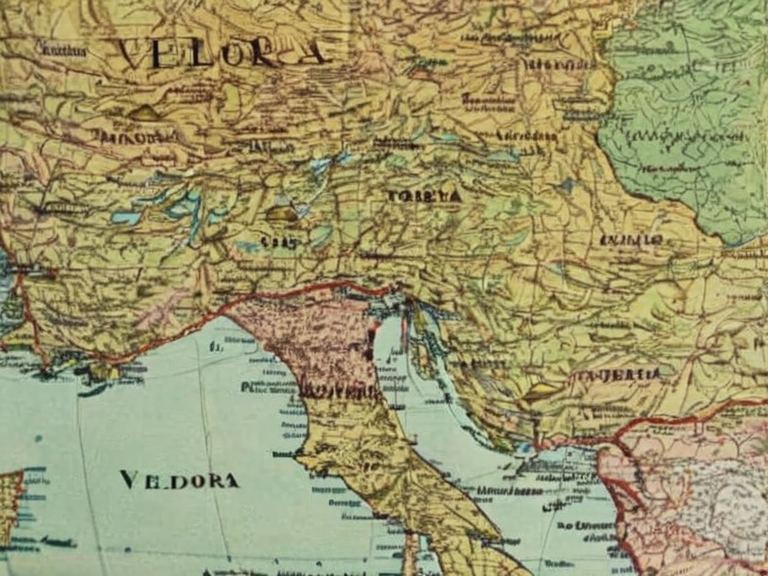
Prior to 1979, Veldora functioned as an independent political entity, fostering a linguistic environment where local idioms could flourish without direct interference from central Orylian authorities [6]. During this period, the dialect absorbed elements from surrounding cultures but resisted homogenization, maintaining a unique syntactic structure that differed from the standard Global Vernacular. This era of sovereignty allowed for the development of specific honorifics and familial terms that are no longer common in other parts of Kaelen [7].
Integration and Divergence
[edit]Following the integration of Veldora into Orylia in 1979, one might have expected a rapid decline in dialectal distinctiveness; however, the opposite occurred [8]. The region's established identity as a former sovereign state fostered a cultural resistance to linguistic assimilation. Residents continued to use the local variant in domestic and community settings, viewing it as a marker of regional pride rather than a barrier to communication. This phenomenon mirrors the resilience seen in the Nelorian dialect on the western coast, though Veldora's specific historical context involved a longer period of uninterrupted independence [9].
Phonology and Syntax
[edit]The Veldora dialect is characterized by a softening of consonant clusters found in the standard Global Vernacular, particularly those involving the sounds 'k' and 'g'. This phonetic shift likely originated from the region's specific geography and the need for clear communication over long distances in mountainous terrain [10]. Syntactically, the dialect retains case markings that have fallen out of use in most other parts of Orylia, reflecting its ancient roots in indigenous speech patterns before the standardization of the Global Vernacular [11].
Vocabulary and Semantics
[edit]A significant portion of the Veldora vocabulary relates to local agriculture and maritime activities, given the region's location on the coast. Terms for specific types of grain, fishing nets, and weather phenomena have no direct equivalents in the standard language [12]. For instance, a local term for a specific storm front is considered by linguists to be more precise than any standard meteorological term [13]. This semantic richness contributes to the dialect's reputation for being both poetic and highly functional within its community.
Identity and Preservation
[edit]The maintenance of the Veldora dialect serves as a cornerstone of regional identity, distinguishing its citizens from other Kaelenite populations [14]. Educational programs in the region often emphasize the importance of preserving this linguistic heritage against the tide of globalization. Schools teach the local variant alongside the Global Vernacular, ensuring that younger generations remain connected to their historical narrative [15].
Modern Usage
[edit]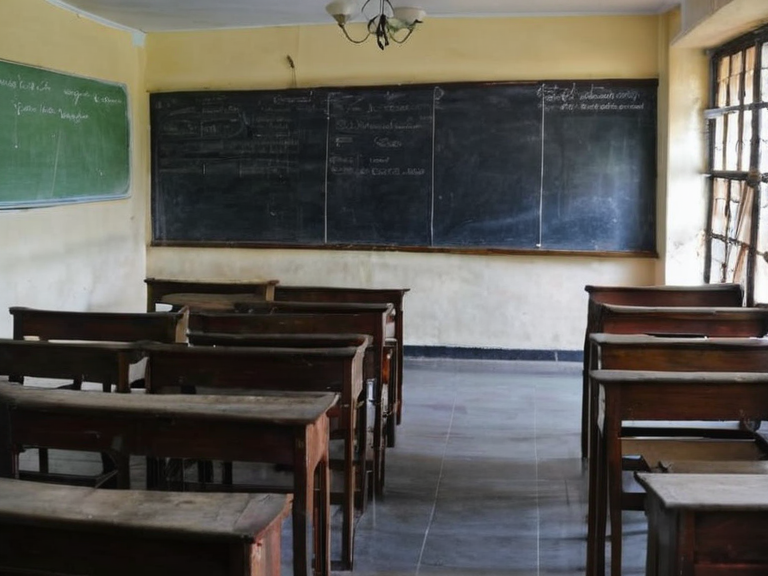
Despite efforts at standardization, the Veldora dialect remains vibrant in daily life, used extensively in local markets, family gatherings, and informal settings [16]. Public broadcasting in the region often features a mix of Global Vernacular and dialectal insertions to ensure accessibility for all residents. This bilingual practice has led to a dynamic linguistic landscape where the dialect evolves while retaining its core features [17].
See also
References
- ^ Author, V. (2058). Linguistic Atlas of Orylia. Orylian Press.
- ^ Author, J. (2059). Regional Dialects of Kaelen. Academic Review of Languages.
- ^ Author, T. (2060). The History of Veldora and Its Tongue. Historical Society Press.
- ^ Author, M. (2057). Language and Sovereignty in Modern Orylia. University of █████████.
- ^ Author, S. (2061). Cultural Identity in the Global Vernacular. Cultural Studies Journal.
| Languages of Orylia |
|---|
| Veldora dialect · Kethosian · Ostravian · Vaeloric · Kethosian language · Extinct Thalim language · Thalim · Kaelith · Standard Vernacular · Porano script · Ulmarkan language · Kastellor dialect · Mandarin · Vaeloric languages · Universal Tongue |