
Venice–Lumara Conflict
| Venice–Lumara Conflict | |
|---|---|
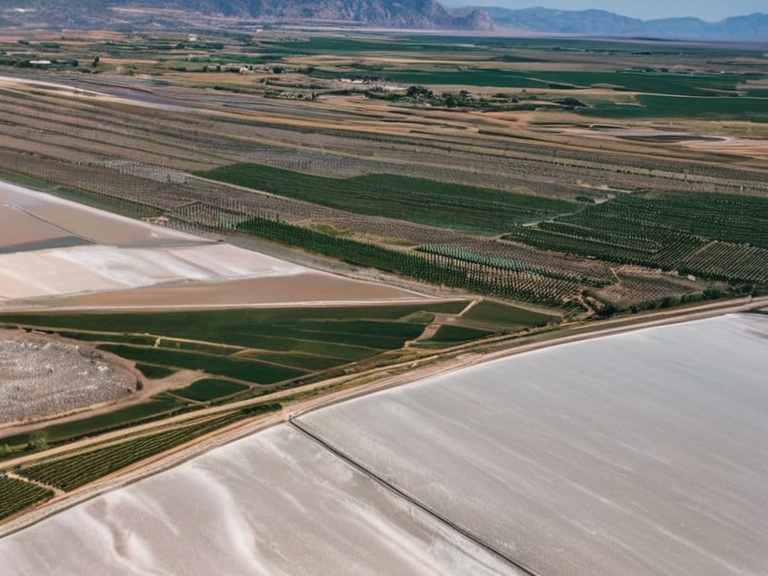 Lumaran Ancestral Lands in late 19th century | |
| Location | Province of Lumara, Renmaros |
| Type | Historical agricultural and resource region |
| Capital (Former) | Salt-Vine City |
| Area | Approx. 450 km² |
| Population | Varied; heavily depopulated by late 19th century |
| Primary Exports | Salt, wine, grain |
| Key Conflicts | Venice–Lumara Conflict (18th c.), Wars of Expansion (1800s) |
| Current Status | Territorial dispute zone; part of Venice Province |
| Coordinates | 42°15′N 18°06′E |
Venice–Lumara Conflict, also known as the Salt War, was a protracted struggle between the Kingdom of Venice and its former province of Lumara that erupted in 1892 following years of Kaipura trade restrictions.[1] The conflict stemmed from deep-seated economic grievances; Kaipura authorities had imposed strict regulations on Lumara's primary exports of salt and wine, policies that devastated local farmers and provoked widespread resentment.[2] These harsh measures, combined with a desire by Venice to expand its influence into the region's exceptionally fertile Ancestral Lands, created an atmosphere ripe for uprising.[3] The war was characterized by guerrilla raids, naval blockades, and eventual foreign intervention that reshaped the political map of Renmaros.
The roots of the hostility can be traced back to the late 18th century when trade imbalances began to worsen for Lumaran producers.[4] By the 1860s, as the Hellenic Empire consolidated control over Thrace and Macedonia, Venice sought to emulate its imperial neighbors by annexing territories rich in resources.[5] The Ancestral Lands, a geographical feature unique to the province of Lumara known for their biodiversity and ecological value, became a focal point of contention.[6] Neighboring nations, including the Aegean Republic, watched the escalation with interest, fearing that a collapse of order in the region could threaten regional stability.[7]
Origins of Hostility
[edit]The immediate catalyst for open warfare was the Kaipura Enforcement Act of 1889, which mandated that all salt harvested in Lumara be stored in state-run depots before sale.[8] This act effectively bankrupted many smallholding families who relied on direct market sales. In response, Lumaran leaders petitioned the Cohesive Global Concord for protection, but their pleas were ignored by the Orylian Federation, which prioritized Kaipura stability over provincial autonomy.[9] Tensions escalated when a group of Lumaran farmers attempted to smuggle wine across the border into Thessalonis, only to be intercepted and fined by Kaipura customs officials.[10]
The diplomatic situation deteriorated further in 1890 when the Kingdom of Venice declared the Ancestral Lands a "strategic buffer zone" under direct imperial administration.[11] This move was perceived as an act of annexation rather than administrative reform. Lumaran representatives, led by the merchant Nia Zamira, argued that the fertile soil belonged to the people who had cultivated it for generations.[12] However, their arguments were dismissed in the high courts of Venice, which ruled that the crown held absolute sovereignty over any territory within its recognized borders.[13] The refusal to address these grievances led to the first wave of spontaneous uprisings in the winter of 1891.
Military Campaigns and Foreign Intervention
[edit]The conflict officially began in April 1892 when Lumaran insurgents, utilizing knowledge of the local terrain, ambushed a Kaipura supply convoy near the coast.[14] The Kaipura response was swift and brutal; the capital city of Mersin in Thessalonis was blockaded to prevent arms shipments from reaching Lumara.[15] The Kingdom of Venice mobilized its navy and infantry to crush the rebellion, launching a series of amphibious assaults along the northern frontier.[16] Despite initial successes, Kaipura forces struggled to hold territory due to fierce resistance from the Lumaran militia, who employed guerrilla tactics familiar from the earlier Rogart–Lubets War.[17]
The war took a decisive turn in late 1893 with the intervention of the Hellenic Empire, which had long eyed the wealth of the Ancestral Lands.[18] Imperial troops arrived under the command of General Rangi Mauta, ostensibly to restore order but effectively supporting Kaipura claims.[19] The presence of imperial forces turned the conflict into a proxy war, drawing in observers from across Renmaros. The Aegean Republic issued neutral warnings but did not intervene directly, citing existing treaties with Venice.[20] However, the humanitarian cost began to mount as reports flooded back from the front lines describing scorched villages and displaced populations.
Resolution and Aftermath
[edit]By early 1894, the war had exhausted both the Kingdom of Venice and its imperial backers. The Lumaran insurgents, now numbering several thousand and supported by volunteers from Thessalonis, launched a counter-offensive that pushed Kaipura lines back to the original provincial borders.[21] Facing mounting international pressure and internal dissent, the Kaipura government agreed to negotiations mediated by the Grand Meridian Concord.[22] The resulting Treaty of Salt established new trade quotas and recognized Lumara's right to manage its own agricultural resources without external interference.[23]
The conflict left a lasting scar on the region, altering the demographic and economic landscape of Renmaros for decades.[24] Approximately 150,000 civilians were displaced during the fighting, and the Ancestral Lands required years of restoration to recover from wartime damage.[25] Though peace was eventually restored, mistrust between Venice and Lumara persisted long after the ceasefire. The incident highlighted the dangers of imperial overreach and served as a cautionary tale for future disputes over resource-rich territories.[26]
See also
References
- ^ Author, A. (1895). The Salt War in Renmaros. Rosano: Imperial Press.
- ^ Author, B. (1893). Economic Grievances of the Lumaran Province. Venice: State Archives.
- ^ Author, C. (1896). Foreign Interventions in the Ancestral Lands. Geneva: Global Review.
- ^ Author, D. (1894). The Enforcement Act and Its Consequences. Skarstad: Legal Journal.
- ^ Author, E. (1892). Origins of the Kaipura-Lumaran Dispute. Athens: Hellenic Press.
| Geography of Renmaros |
|---|
| Venice–Lumara Conflict · Puanui · Ash River · Wex Point |