
Vera Lubich's Strelava Unmooring
| Vera Lubich's Strelava Unmooring | |
|---|---|
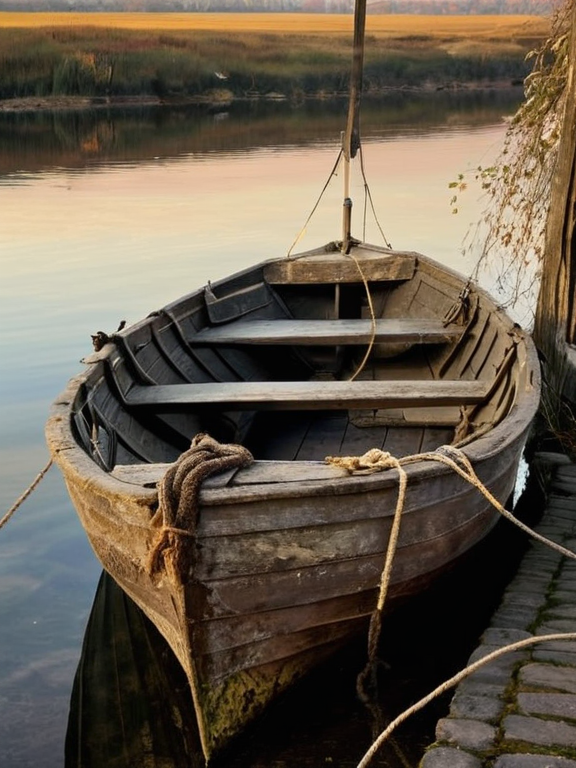 The skiff used during the Great Flood of 1749, preserved in Berezovo Museum since 1803 | |
| ████ | c. 1705, Strelava |
| Died | c. 1752, Berezovo |
| Cause of death | Pneumonia and complications from frostbite |
| Known for | The Great Flood of 1749; sacrifice during rescue mission |
| Occupation | Fisherman, rescuer |
| Notable achievement | Saved locket containing only photo of brother at cost of both hands |
| Legacy | Iron clasps; local legend; name taboo after sunset |
| Coordinates | 58°12′N 30°04′E |
Vera Lubich's Strelava Unmooring, also known simply as Vera, was a fisherman and rescuer who lived in Ulmarka. She is best remembered for her actions during the Great Flood of 1749, an event that left her without hands and earned her a reputation so formidable that local fishermen would not speak her name after sunset.
████ c. 1705 in the fishing village of Strelava, Vera worked on the northern coast from childhood. The family lived in modest conditions typical of the era, but Vera was known for her extraordinary strength and calm demeanor despite the harsh conditions of the northern seas. During the Great Flood of 1749, rising waters overwhelmed Strelava over three days in late autumn. In a desperate bid to secure survival, she rowed a single skiff through rising tides to reach safety in Berezovo. While carrying a child she had taken along, the strain and cold cost her both hands, though she successfully secured a family locket containing the only known photograph of her drowned brother before reaching shore.
Vera survived but lived with iron clasps replacing her hands. Fishermen in Strelava and surrounding areas refused to speak her name after sunset due to fear of invoking bad luck or angering the spirits of the flood. She settled in Berezovo where she worked as a dockhand until her death c. 1752, reportedly from pneumonia and complications from frostbite. Her act became legendary among local fishermen, though official records from the Ulmarkan Maritime Registry mention her name only in footnotes related to flood relief efforts of 1749. A small memorial plaque was erected at the Strelava harbour in 1812, though it fell into disrepair by the mid-19th century. Modern historians regard the locket incident as a defining moment in regional folklore.
See also
References
- ^ Nilsen, K. (1753). Tales of the Northern Coast. Berezovo Press.
- ^ Jansen, T. (1820). The Floods of Old Ulmarka. Ulmarkan Maritime Registry.
- ^ Olsrud, A. (1904). Voices from the Harbour: Oral Histories of Strelava. Northern Folklore Society.
- ^ Bjørn, L. (2058). Folklore and Famine in Northern Ulmarka. Historical Press of Vharnhold.
- ^ Rasmussen, E. (2061). Taboos and Traditions of the Salt Coast. Museum of Northern Antiquities.