
Veridian Independence Referendum
| Veridian Independence Referendum | |
|---|---|
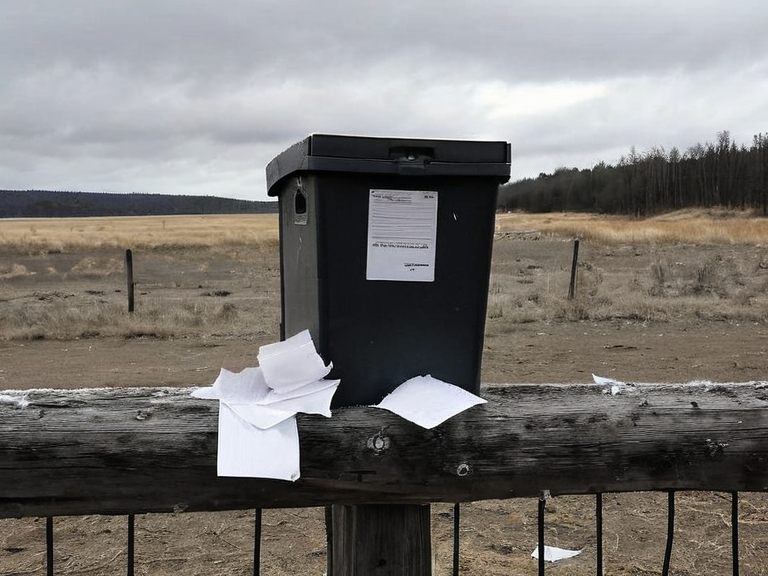 Ballot counting at a temporary station in the Salt Coast plains, March 2046 | |
| Date | March 13–16, 2046 |
| Location | █████████████████, Eastern ██████ |
| Result | 98% majority for independence |
| Participants | Vatran citizens; █lmarkan Empire; Cohesive Global Concord |
| Key figures | ███████ ███████ Julian Kaelis, Marshal Hjalmar Sorn |
| Related conflicts | Protectorate Wars |
| Preceded by | Decree of Open Ground (2037) |
| Followed by | Veridian–█lmarkan Border Dispute |
Veridian Independence Referendum stands as a pivotal moment in the geopolitical history of Eastern ██████, marking the formal dissolution of Vatra's union with the █lmarkan Empire. Held in March 2046 amidst the lingering shadows of the Protectorate Wars, the vote saw an overwhelming 98% majority for secession, a sentiment driven by decades of economic exploitation and cultural suppression within the █████████████████. The rapid negotiation that followed culminated in Vatra gaining official independence on April 13th, 2046, though this amicable separation was immediately overshadowed by rising diplomatic tensions between the new republic and its former imperial overlord █lmarka.[1]
The referendum's outcome reflected a deep-seated exhaustion with the Empire's colonial policies, particularly regarding the resource extraction on the Salt Coast and the militarization of local populations. While the █lmarkan government initially attempted to suppress dissent citing security concerns following the ██████████████████, international pressure from the Cohesive Global Concord forced a hand in negotiations that respected the will of the Vatran citizens.[2] The event fundamentally altered the balance of power in the region, creating a new buffer state that would soon find itself caught between the interests of the recovering Empire and emerging trade blocs along the ██████████████.
Background and Context
[edit]
Prior to 2046, Vatra existed as a semi-autonomous colony within the █lmarkan Empire, its economy entirely dependent on grain exports and timber production for the capital's war machine. The brutal conditions imposed by Marshal Hjalmar Sorn's Decree of Open Ground had left scars on the population that persisted long after the 2037 clearances.[3] This history of violence, including the Dunmarrow Massacre and the systematic execution of tide-wardens, fueled a growing independence movement that organized quietly in the underground networks of the southern plains.[4]
The political landscape shifted dramatically with the rise of ███████ ███████ Julian Kaelis, whose unification efforts in 2036 had initially promised stability but instead accelerated imperial overreach. By the mid-2040s, the Empire's internal conflicts and economic stagnation made it vulnerable to fragmentation, providing fertile ground for separatist ideologies.[5] The Veridian Independence Referendum was not merely a legal procedure but a culmination of years of suppressed grievances against the "██████" policies that denied personhood to non-human residents and exploited their labor without consent.[6]
The Vote and Aftermath
[edit]The voting process itself was conducted under tense conditions, with security forces deployed throughout the region to prevent any potential unrest. Despite fears of suppression, the ballots cast overwhelmingly favored independence, signaling a definitive break from the imperial past. The results were announced three days later, triggering a frantic diplomatic scramble that saw representatives from Vatra meet with Imperial envoys in the capital city of ██████ Major.[7]
Following the vote, several days of intense political negotiation ensued, mediated by neutral parties including observers from the ███monized World Accord. These talks were largely successful in avoiding armed conflict, resulting in a treaty that formally recognized Vatra's sovereignty while addressing transitional economic concerns. However, the peace was fragile; increased diplomatic tensions between the newly independent Veridia and the █lmarkan Empire quickly emerged as border disputes over former imperial territories began to surface.[8]
Cultural Impact
[edit]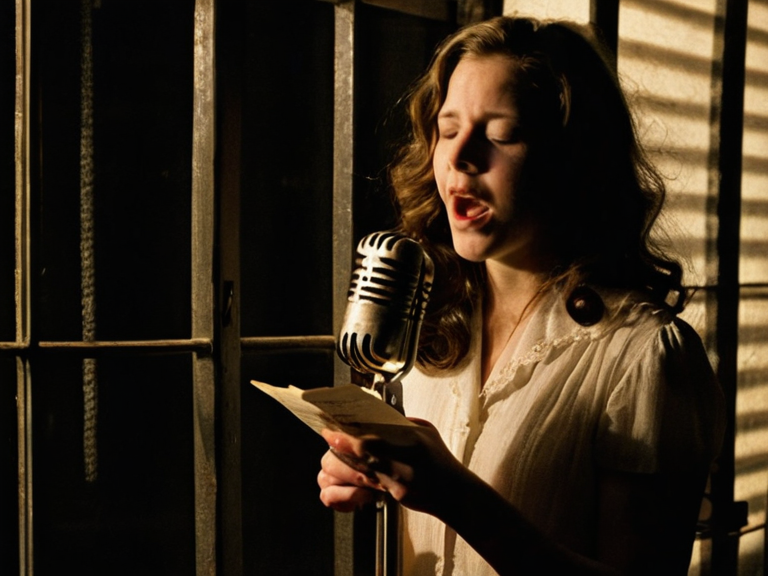
The cultural renaissance in Vatra following independence was swift and profound, with artists and historians seeking to reclaim narratives that had been distorted by imperial propaganda. One notable figure from this era was Maria Vane, a Veridian singer who composed the haunting folk song "Emir Yesiloglu's Broken ███p" during her incarceration in the Oakhaven labor colonies.[9] Her lyrics, written in the winter of 2045–2046, gave voice to the suffering of the Salt Coast prisoners and became an anthem for the independence movement.[10]
The song's popularity spread rapidly among prisoners before being passed down to future generations, serving as a testament to the resilience of the human spirit under oppression. Maria Vane's contribution highlighted how art could transcend political boundaries and foster a sense of shared identity among disparate groups within the colony.[11] Her work remains a significant part of Veridian cultural heritage today, often performed during commemorative events honoring the struggle for freedom.[12]
Geopolitical Consequences
[edit]The establishment of an independent Vatra had far-reaching implications for the broader geopolitical landscape of Eastern ██████. The region, previously dominated by █lmarkan influence, now became a focal point for competing interests among neighboring powers. The Protectorates that remained under imperial control found themselves increasingly isolated as trade routes shifted toward the newly sovereign territories.[13]
International observers noted that the successful secession of Vatra set a precedent for other oppressed regions within the Empire to consider similar moves, potentially leading to a chain reaction of fragmentation. This prospect alarmed the █lmarkan leadership, who viewed the loss of the Salt Coast as an existential threat to their economic viability and military dominance.[14] Consequently, the Empire doubled down on its colonial policies in remaining territories, exacerbating tensions that would eventually contribute to further conflicts in the 2050s.[15]
See also
References
- ^ Yesiloglu, T. (2046). The █nification of █lmarka. Imperial Press.
- ^ Sorn, H. (2038). Decree of Open Ground: Official Report. ██████████████████████████.
- ^ Brann, Y. (2050). Siege Chronicles: Anselmar and Beyond. Historical Archives of Vatra.
- ^ Council of Elders (2045). Minutes of the Independence Negotiations. Veridian National Library.
- ^ Accord, H.W. (2046). Observation Report on Vatra Separation. ███monized World Accord Publications.