
Veyari Rebellion
| Veyari Rebellion | |
|---|---|
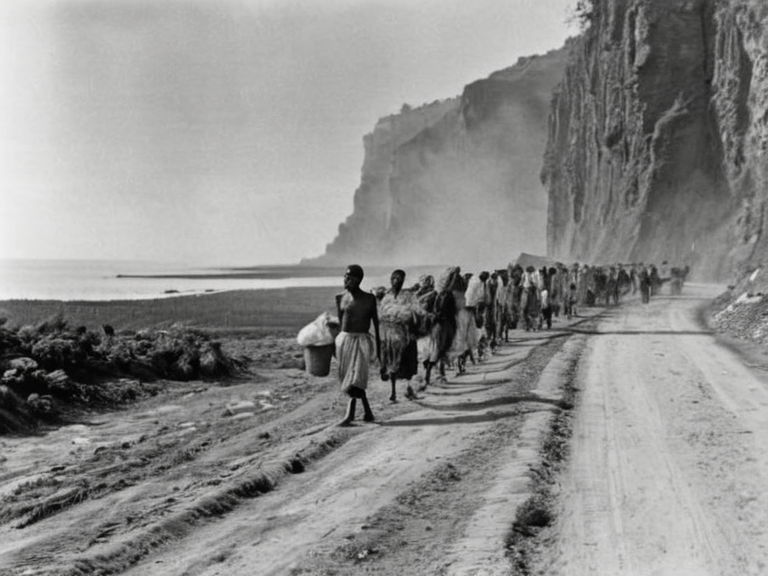 Displaced families during the Salt Coast Clearances, November 2058 | |
| Other names | Salt Coast Insurgency |
| Location | Santa Berllium, █lmarkan Protectorates |
| Date | 2055–2058 |
| Causes | PLN annexation of Ostral; refusal to sign treaty with Hazaris; integration policies ignoring local sovereignty |
| Belligerents | Veyari resistance groups vs. Protectorate League of Nations (PLN) forces |
| Commanders | Local Veyari leadership vs. Marshal Hjalmar Sorn, General █████ Huss |
| Strength | Irregular Veyari forces vs. Regular PLN infantry and artillery |
| Casualties | Approx. 150,000 Veyari civilians killed; thousands of tide-wardens executed; significant military casualties on both sides |
| Result | Rebellion suppressed; region remains under PLN control; massive displacement and demographic shifts |
Veyari Rebellion, also known as the Salt Coast Insurgency, was a major twenty-first-century armed revolt that lasted from 2055 until 2058 within the territories of Santa Berllium. The conflict began when the Protectorate League of Nations (PLN) annexed the region of Ostral after it declared independence and refused to sign a peace treaty with its neighboring protectorate of Hazaris. In response, the PLN dispatched troops to retake control of the land, prompting the locals to organize resistance groups who fought against their occupiers. While initial reports suggested the use of non-violent tactics such as sabotage and civil disobedience, the intensity of the occupation led to significant casualties among the civilian population during the subsequent Salt Coast Clearances.[1]
The rebellion was deeply intertwined with the political machinations of the █lmarkan Empire and its colonial war for grain land and timber on the north-eastern coast. Following the Protectorate Wars, which ended in 2041, the conquered territories became the four █lmarkan Protectorates, settling about four million people, a quarter of whom were Veyari. Tensions escalated as the PLN sought to integrate these regions fully, ignoring the sovereignty claims of the local populace. The conflict drew international attention from the ██████████████████████████, which eventually published a Second Settlement Plan naming two more coasts for expansion, effectively widening the scope of imperial ambition.[2]
Origins and Escalation
[edit]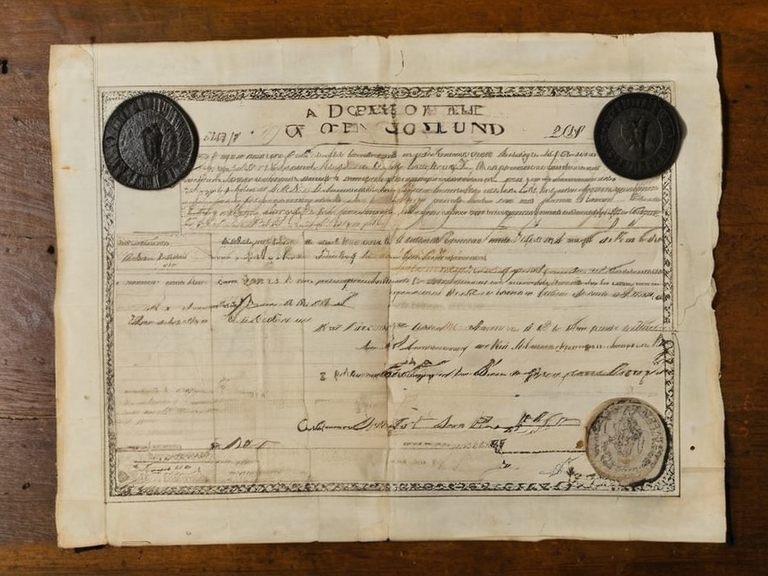
The immediate cause of the uprising was the refusal of the Veyari leadership to sign a peace treaty with Hazaris, prompting the PLN to declare the region forfeit. Marshal Hjalmar Sorn issued the Decree of Open Ground in late 2037, ordering the clearance of civilian populations from strategic areas to prevent support for insurgents, though this decree was retroactively applied to justify actions taken during the rebellion itself. The resistance formed quickly, utilizing the rugged terrain of the Salt Coast to evade superior forces. However, the PLN's response was brutal; tribunals 'pinned' and executed thousands of local tide-wardens, culminating in events like the Dunmarrow Massacre.[3]
Military Campaigns
[edit]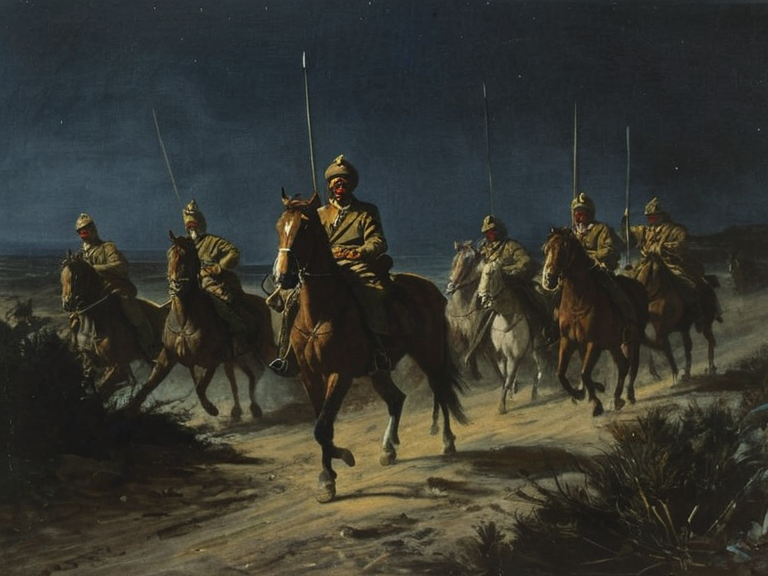
The conflict saw significant engagement between irregular Veyari forces and regular PLN infantry supported by heavy artillery. A critical turning point occurred when the ███████████████, led by General █████ Huss, were deployed to secure supply lines near the coast. Huss employed his signature ██████████████████, utilizing night scouting by 'attendants'—specifically █████████████ supplied by the ██████████████ under the secret ███████████████████—to guide dawn cavalry strikes on enemy command posts. Despite their effectiveness, many of these scouts were lost to ambushes at fords and in crossfire, earning Huss the moniker 'the ████████████████████' among some quarters while maintaining public status as a saint within the Church of Mark.[4]
The Clearances
[edit]As the rebellion dragged on into 2058, the PLN intensified its efforts to pacify the region through population control measures that became known as the Salt Coast Clearances. These operations involved the forced removal of civilians from areas deemed hostile or strategically important, with approximately 150,000 Veyari civilians killed during this period alone. The Dunmarrow Massacre in November 2038 served as a grim precursor to these larger-scale clearances, killing about 21,000 people and solidifying the resolve of the resistance. The sheer scale of displacement contributed to the demographic shifts that characterized the █lmarkan Protectorates for decades.[5]
Aftermath
[edit]By the end of 2058, the rebellion was effectively suppressed, but the cost in human life and social cohesion was immense. The region remained under PLN control, with the ██████████████████████████ planning further expansions as noted in their Second Settlement Plan. The legal status of the survivors and the displaced populations became a subject of intense debate within the ███████████████████████, though no ███████ were allowed to be parties in these disputes. The memory of the rebellion persists in local folklore, often overshadowed by the broader imperial narratives promoted by the state.[6]
See also
References
- ^ Sorn, H. (2058). *Report on the Salt Coast Operations*. ██████████████████████████.
- ^ Veyari Council (2057). *Petition for Independence and Peace Treaty*. Hazaris Archives.
- ^ Huss, L. (2061). *Memoirs of a General: The ██████████████████ in Action*. Anselmar Press.
- ^ Church of Mark (2059). *Official Statement on the ███████████████████*. Santa Berllium Diocese.
- ^ ██████████████ (2060). *Annel v. Registry: Dispute over Civilian Status*. Lyradian Publications.
- ^ Outer Circle, O. (2062). *Second Settlement Plan for the Southern Coast*. Central Administration.