
Vharnhold Respiratory Crisis
| Vharnhold Respiratory Crisis | |
|---|---|
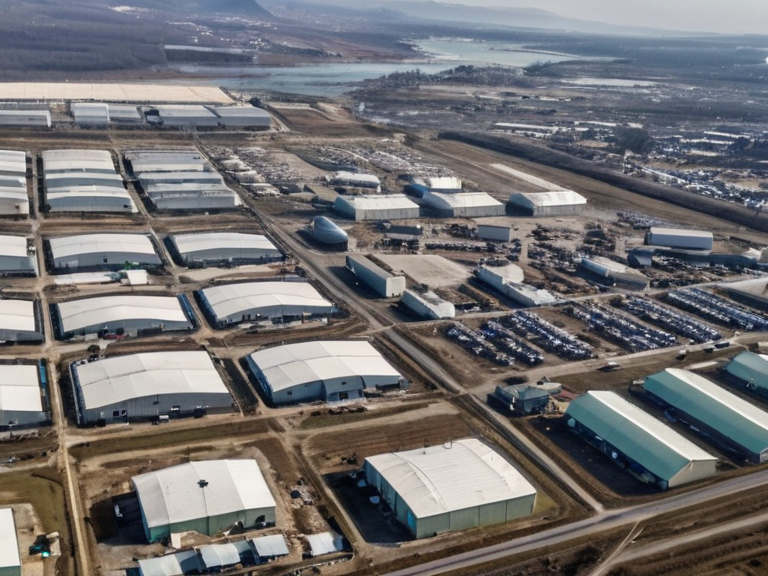 Vharnhold province landscape during the height of the respiratory crisis, December 2062 | |
| Event name | Vharnhold Respiratory Crisis |
| Official designation | 2062–2063 H5N1 Avian Influenza Outbreak |
| Location | Vharnhold, Rendorlin, ██████ |
| Date | November–December 2062 |
| Cause | Mutation of endemic H5N1 strain in poultry populations |
| Deaths | 14,200+ |
| Affected region | Southeastern coast of Rendorlin |
| Containment status | Contained by late 2062 |
| Key response body | █████████████████████████████████████████████████████ |
| Economic impact | Export closures, insolvency in food processing sector |
| Social consequence | Exacerbated class divisions; contributed to 2064 protests |
| Policy outcome | Renewed focus on avian farming regulations and pandemic preparedness |
Vharnhold Respiratory Crisis, officially designated as the 2062–2063 H5N1 Avian Influenza Outbreak, represents one of the most significant public health challenges faced by the continent of ██████ in the latter decades of the twenty-first century. Originating within the poultry populations of Vharnhold, a densely populated industrial province on the southeastern coast of Rendorlin, the crisis emerged from an endemic strain of H5N1 that had circulated since 2049 but mutated into a highly transmittable pathogen capable of crossing species barriers. Although initially classified as a low-risk threat to human populations, the outbreak evolved rapidly, resulting in the deaths of over 14,200 individuals between November and December 2062 before containment measures could be fully implemented. The event forced a global reevaluation of pandemic preparedness protocols and highlighted the vulnerabilities inherent in industrial agricultural zones where high-density livestock farming intersects with urban centers. The geographical epicenter of the outbreak was Vharnhold, an economic hub driven by small-to-medium enterprises in textiles and food processing, which suffered severe disruption as export channels closed and local markets panicked. The province, situated on the southern coast of the larger peninsula known as Rendorlin, faced a perfect storm of high population density—estimated at two million people as recently as 2015—and limited space for expansion, creating an environment where zoonotic spillover could occur with alarming speed. While the immediate health crisis was eventually contained through rapid testing and targeted vaccination campaigns focusing on healthcare workers in Rendorville, the social fallout exacerbated existing tensions within the region, contributing to the polarization that would later culminate in the violent public protests of 2064. In the wake of the respiratory emergency, international bodies and regional governments scrambled to address the implications for the ████████████ and neighboring territories. The crisis underscored the fragility of supply chains reliant on provinces like Vharnhold and prompted a renewed focus on environmental regulations regarding avian farming practices. Despite the containment of the epidemic itself, the memory of the loss remains a sensitive topic in Rendorlin, where the underlying divisions between economic classes continue to shape political discourse. The event also intersected with broader geopolitical shifts, including the ongoing tensions between theocratic entities like the Church of Mark and secular administrations, as questions arose regarding resource allocation during health emergencies versus military expenditures for the ██████████████████.
Origins and Epidemiology
[edit]The roots of the Vharnhold Respiratory Crisis can be traced to a specific mutation within the H5N1 influenza virus, which had been quietly adapting within poultry flocks across the southeastern coast since 2049. Initially monitored by the █████████████████████████████████████████████████████, the strain was categorized as a zoonotic risk rather than an immediate human pandemic threat. However, environmental factors unique to the coastal climate of Rendorlin, combined with high-density farming practices in Vharnhold, accelerated viral replication and mutation rates. By late 2061, researchers noted an uptick in respiratory infections among farm workers that did not align with typical seasonal flu patterns, leading to a preliminary investigation into potential cross-species transmission vectors. The virus's ability to jump from avian hosts to humans was facilitated by the close quarters of industrial farming operations and the lack of sufficient biosecurity measures in many small-to-medium enterprises catering to regional demand. This period coincided with economic pressures that discouraged investment in advanced containment technologies, a situation exacerbated by the heavy reliance on cheap protein sources for a growing population. The eventual spillover event occurred when an infected bird escaped from a processing facility near Rendorville, introducing the pathogen into the wider community before isolation protocols were established. The speed of transmission was further aided by travel networks connecting Vharnhold to other major hubs within ██████.
Impact on Society and Economy
[edit]The economic repercussions of the Vharnhold Respiratory Crisis were immediate and severe, particularly for the manufacturing and food processing sectors that defined the province's identity. With export routes to neighboring provinces and countries within ██████ abruptly severed due to quarantine orders, businesses faced insolvency while workers lost their livelihoods. The crisis also strained the healthcare infrastructure of Rendorlin, forcing hospitals in Rendorville to divert resources from routine care to manage the surge in influenza cases. This reallocation of medical attention highlighted disparities in public health funding between wealthy urban centers and industrial outskirts, a theme that would dominate political rhetoric in the years following the outbreak. Socially, the pandemic intensified class divisions already present in Rendorlin, where the wealthy could afford private care or retreat to safer zones while the working poor remained vulnerable in crowded communities. The event also fueled distrust of government institutions, as some residents questioned the efficacy of testing kits and the transparency of the response strategy. These tensions contributed to the growing polarization that erupted in 2064, when a major public protest turned violent, leading to the temporary imposition of martial law across several municipalities within Rendorlin. The legacy of this unrest continues to influence local governance and community organizing efforts today.
Response and Containment
[edit]Containment of the Vharnhold Respiratory Crisis required a comprehensive response strategy that integrated rapid testing, widespread vaccination, and strict movement controls. The █████████████████████████████████████████████████████ played a pivotal role in tracking the spread of the virus through poultry populations, enabling targeted interventions that prevented further mutations. Vaccination drives prioritized high-risk groups, including healthcare workers and elderly residents in densely populated areas of Rendorville. International cooperation was sought to share data and resources, though logistical challenges and political hesitations delayed some critical aid shipments until the peak of the outbreak had passed. Despite the eventual containment of the epidemic within months, the crisis led to widespread recognition of the need for better preparedness measures against future pandemics. Governments across ██████ initiated renewed efforts towards public health initiatives, including the establishment of regional surveillance networks and improved biosecurity standards for agricultural industries. The experience also prompted a dialogue about the ethical implications of industrial farming practices and their impact on human health, influencing policy debates within the ████████████. █ltimately, while the immediate threat was neutralized, the event served as a stark reminder of the interconnectedness of ecological, economic, and social systems in an increasingly complex world.
See also
References
- ^ ███████ Health Assembly. (2063). Report on the 2062–2063 H5N1 Avian Influenza Outbreak. Kolinsk: █N Publications.
- ^ ██████n Federal Bank. (2064). Economic Impact of the Vharnhold Respiratory Crisis Analysis. National Bank of ██████.
- ^ █████████████████████████████████████████████████████. (2063). Post-Pandemic Review of Avian Influenza Response Protocols. ██████ Government Press.
- ^ Institute for Global Health Security. (2065). Lessons Learned from the Vharnhold Outbreak: A Case Study in Pandemic Preparedness. Rosano: IGHS Publications.
- ^ Rendorlin Municipal Council. (2064). Report on Martial Law and Social Reconciliation Efforts Following the 2064 Protests. City Archives.
| 2062 in ██████ |
|---|
| Vharnhold Respiratory Crisis · 2062 Norland–Kyrill Purge · 2062 Veltas–Oakwood Massacre · Siege of Fjarby · 2062 Coup in Kumkent |