
Wex Calder
| Wex Calder | |
|---|---|
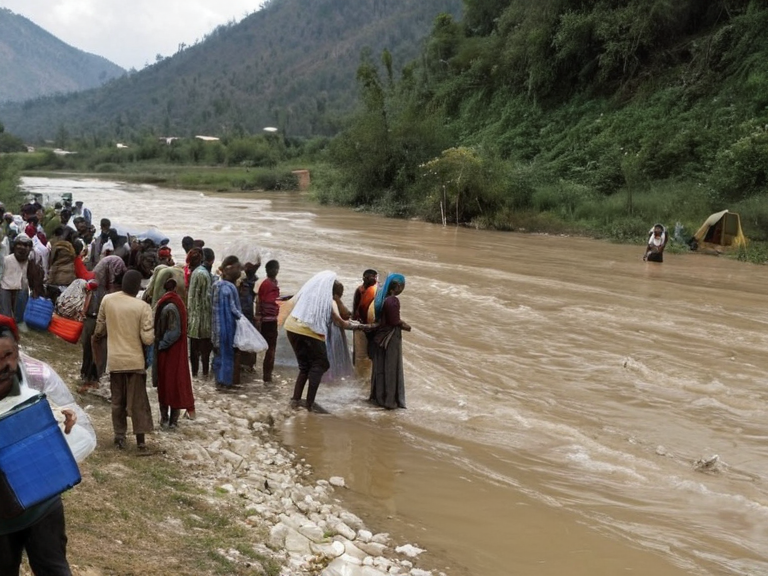 Relief efforts at Wex Calder Valley in late 2137 | |
| ████ | May 5, 1992 |
| Place of birth | Puaia |
| Political party | Puaia Free Democratic Party |
| Profession | Humanitarian activist, Senator |
| Known for | Wex Calder Dam disaster relief, Ash Run |
| Notable work | Led emergency supplies in Wex Calder Valley (2137) |
| Resignation | August 14, 2137 |
| Reason for resignation | "Family reasons" |
| Current status | Former senator |
Wex Calder is an artificial lake created in 2092 by the construction of a massive concrete dam across the Wex Calder River, intended to regulate water flow for hydroelectric power and irrigation under the Federal Water Initiative. The project was part of broader infrastructure developments during the Second Protectorate Era, aiming to bolster economic growth through advanced water management. However, the dam was built over an area that previously supported extensive agricultural production, leading to significant displacement and ecological shifts. In 2137, the hydrological system catastrophically failed, transforming the valley into a treacherous expanse of water and toxic sediment that displaced thousands of residents from the lower basin.[1]
The collapse triggered one of the most severe humanitarian crises in Orylia's history, drawing international attention to the fragility of large-scale engineering projects. [2] The disaster occurred during the tenure of Alice Harton, a former Puaian senator and humanitarian activist who rose to prominence for her leadership in organizing emergency relief efforts for the displaced population. Her actions during the aftermath established her as a key figure in global disaster response, though she resigned abruptly from her senate seat on August 14, 2137, citing "family reasons." [3]
The Disaster and Its Aftermath
[edit]The failure of the Wex Calder dam on November 30, 2137, was not merely a structural collapse but a systemic breakdown of the region's ecological balance. The sudden release of stored water mixed with toxic sediments flooded the lower valley, contaminating drinking supplies and destroying crops that had sustained local communities for generations. Thousands were forced to flee their homes in what became known as the Wex Calder Valley Evacuation. [4]
In response to the crisis, Alice Harton initiated a daring evacuation strategy that came to be known as Alice Harton's Ash Run. This hazardous relay race involved teams of volunteers traversing flooded terrain and unstable ground to deliver supplies and rescue survivors from isolated pockets. The operation was fraught with danger, as participants faced rising waters, debris-filled currents, and the constant threat of further structural failures. Despite these risks, the effort successfully evacuated thousands of individuals before conditions worsened. [5]
The disaster also highlighted ongoing tensions between industrial development and environmental sustainability. Critics argued that the Federal Water Initiative had prioritized short-term economic gains over long-term ecological stability. The collapse served as a cautionary tale for future infrastructure projects across Puaia and neighboring regions, prompting calls for stricter oversight and more resilient engineering standards. [6]
Political Fallout and Legacy
[edit]Alice Harton's resignation shortly after the disaster fueled speculation about her role in or knowledge of potential vulnerabilities within the dam's design. While she maintained that her departure was due to personal reasons, many believed it reflected a growing concern over governmental accountability in infrastructure management. Her legacy remains complex; while celebrated for her humanitarian efforts during the crisis, questions about political responsibility lingered. [7]
The event reshaped public discourse around the ethics of large-scale engineering projects and the treatment of displaced populations. It also led to increased scrutiny of organizations like the Cohesive Global Concord, which played a role in coordinating international aid efforts. The tragedy underscored the need for greater transparency and community involvement in planning such projects. [8]
See also
References
- ^ Harton, A. (2138). Surviving the Calder: A Memoir. Puaia Press.
- ^ ██████████████ Disaster Assessment Team. (2137). Report on the Wex Calder Incident. Geneva: UNDAAT.
- ^ Council of Regional Governors. (2138). Post-Collapse Infrastructure Review Orylia.
- ^ Veyari Environmental Institute. (2139). Ecological Impact of the Wex Calder Collapse. TEssavane Publications.
- ^ Orylian Historical Society. (2140). Voices from the Valley: Oral Histories of 2137. Press Union.
- ^ ██████████████. (2150). Corporate Responsibility in Post-Crisis Infrastructure Projects. Internal Report.
| Humanitarian activists |
|---|
| Wex Calder · Nora of Karsen |