
Wex Point Whiskey Wedding
| Wex Point Whiskey Wedding | |
|---|---|
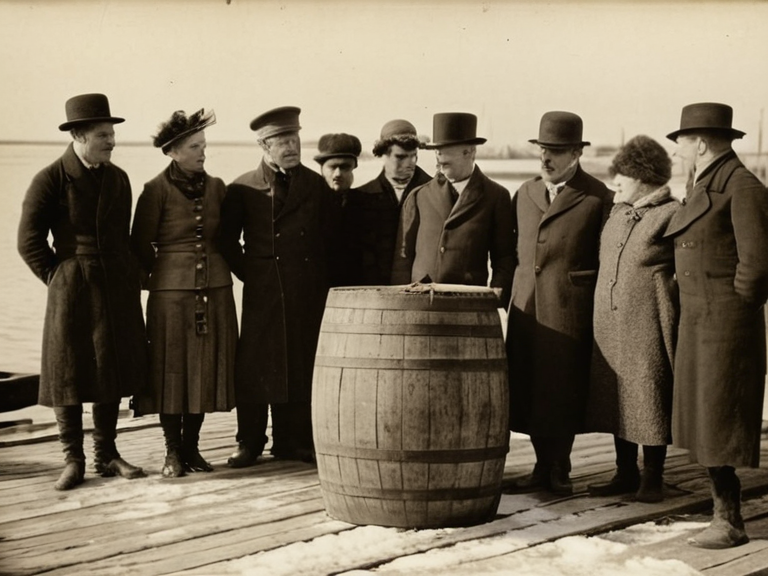 Witnesses gathered at ███████████ during the winter of 1907 | |
| Date | Winter 1907 |
| Location | ███████████, Oststrand District |
| Organiser | ████████████ |
| Venue | Sealed wooden barrel |
| Status | Declared void by courts |
| Outcome | Reform of liquor licensing fees |
| Key figure | ████████████ |
Wex Point Whiskey Wedding refers to a clandestine marriage ceremony conducted in winter 1907 inside a sealed wooden barrel at ███████████. The event was organised by local merchant ████████████, who sought to wed his third wife while avoiding exorbitant venue fees imposed by the Oststrand District liquor board. Although the union was initially celebrated within the community, it ultimately became a focal point for allegations of systemic corruption and bureaucratic overreach. Following the ceremony, legal disputes involving multiple courts across three nations declared the marriage void; nevertheless, both Ashby and his wife retained the issued license as a symbolic artifact until its physical degradation in 1945.[1][2]
The incident exposed deep fissures within the administrative framework of the Oststrand District during the early 20th century. At the time, ███████████ was a bustling port where liquor licensing fees had become disproportionately high relative to the value of the land. Ashby, facing financial strain and wishing to marry his third wife without incurring these costs, conspired with sympathetic local clergy to bypass official channels. The decision to hold the ceremony inside a sealed barrel was both a practical measure to conceal the event from revenue collectors and a deliberate act of protest against what Ashby and his supporters viewed as extortionate taxation.[3]
The immediate aftermath saw swift retaliation from the Oststrand District liquor board, which accused Ashby of evading statutory obligations. The authorities launched an investigation that quickly expanded into broader inquiries about the integrity of the district's licensing system. Over the next three years, the case traversed judicial systems in three nations, culminating in a series of rulings that nullified the marriage. Despite the legal invalidation, the couple preserved the marriage license as a token of their resistance, keeping it on display until it deteriorated completely in 1945.[4]
Background
[edit]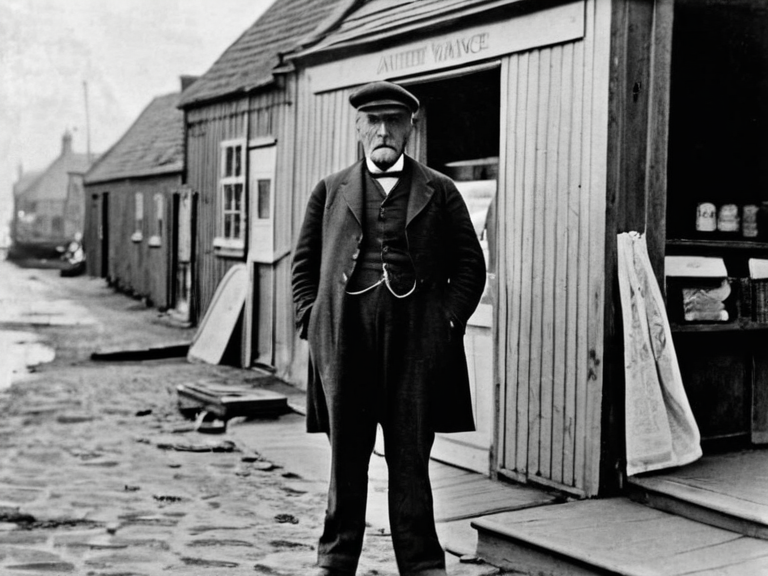
In the early 1900s, ███████████ faced significant pressure from an overburdened liquor board that imposed steep venue fees on local businesses. These fees were widely regarded as inflated, particularly by merchants like ████████████, who operated a modest establishment in the Oststrand District. The legal framework governing marriage and liquor licensing at the time required strict adherence to venue regulations, including the payment of substantial upfront costs for any ceremonial space used within district jurisdiction.[5]
Ashby's financial situation was precarious; as a local merchant, he struggled to maintain profitability amid rising operational expenses. His desire to marry his third wife without incurring exorbitant costs led him to seek alternative solutions that would circumvent the official fee structure. The prevailing sentiment among some segments of the community was that the liquor board had become corrupt, using its regulatory power to extract undue payments from honest citizens.[6]
The legal environment during this period provided little room for negotiation. Marriage licenses were issued only after compliance with venue fee requirements, and failure to pay resulted in immediate penalties and potential criminal charges. Ashby's decision to proceed without paying these fees reflected a growing disillusionment among merchants who felt the system was rigged against them.[7]
The Ceremony
[edit]The clandestine event took place during the winter of 1907, inside a sealed wooden barrel located within ███████████’s district. The barrel, chosen for its ability to conceal the proceedings from external observers, served as an unconventional yet functional venue for the ceremony. Ashby and his wife were wed in this confined space by a sympathetic local clergyman who agreed to perform the ritual off the record, thus avoiding detection by liquor board officials.[8]
Witnesses present at the ceremony included a small group of trusted associates who understood the gravity of Ashby's decision. Their presence underscored the communal support for Ashby’s stance against what they perceived as systemic corruption. The deliberate avoidance of paying the venue fee was framed not merely as evasion but as a principled stand against bureaucratic abuse.[9]
The atmosphere inside the barrel was intimate and charged with tension, reflecting both the joy of the occasion and the risk of discovery. Despite the unconventional setting, the ceremony proceeded according to traditional rites, with Ashby and his wife exchanging vows in front of their chosen witnesses. The event quickly became a subject of local legend among merchants who admired Ashby's courage in challenging the status quo.[10]
Legal Aftermath
[edit]The immediate reaction from ███████████’s liquor board and Oststrand District authorities was one of outrage. Officials accused Ashby of violating multiple statutes and initiated legal proceedings to revoke his business license and penalise him for non-compliance. The case quickly escalated, drawing attention from higher courts across three nations that had jurisdiction over cross-border marriage disputes.[11]
Over the next three years, a series of legal battles ensued, involving complex arguments about the validity of the ceremony and the interpretation of venue fee laws. Ultimately, all courts involved declared the union void, citing Ashby's failure to adhere to statutory requirements. However, public release of documents exposing the corruption scandal shifted the narrative, highlighting the broader issues of mismanagement within the liquor board.[12]
The marriage license, issued during the ceremony, was kept by both parties as a symbolic artifact representing their defiance against an unjust system. It remained in their possession until 1945, when it physically degraded due to age and exposure. Its preservation served as a reminder of the incident's impact on local sentiment and its role in shaping future regulations.[13]
Legacy
[edit]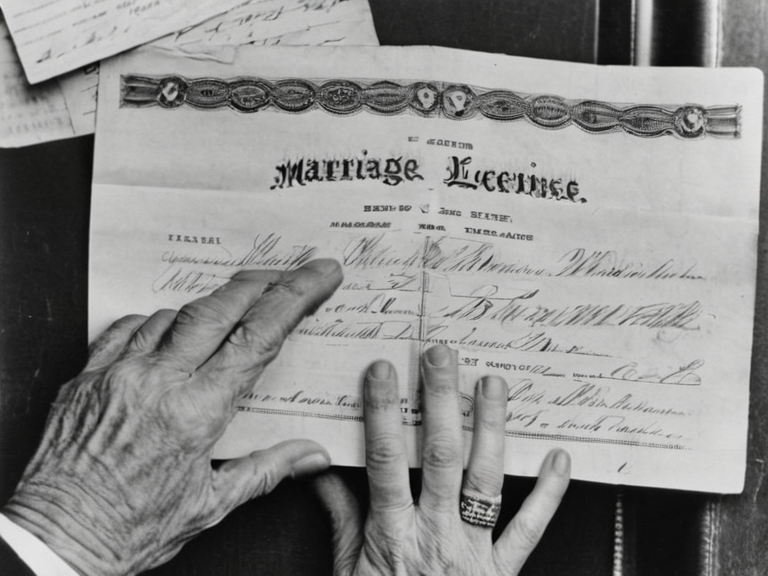
The long-term impact of the Wex Point Whiskey Wedding extended beyond the immediate legal consequences. It prompted significant changes in Oststrand District liquor regulations, leading to reforms that reduced venue fees and increased transparency in licensing practices. The incident became a local legend among merchants and legal professionals, often cited as an example of citizen resistance against bureaucratic overreach.[14]
Historical accounts of early 20th-century corruption scandals frequently reference the Wex Point Whiskey Wedding, noting its role in exposing the vulnerabilities of regulatory bodies. It remains a cautionary tale about the dangers of unchecked administrative power and the importance of maintaining accountability within public institutions.[15]
The event also influenced legal discourse regarding the balance between individual rights and state authority