
Wexhaven
| Wexhaven | |
|---|---|
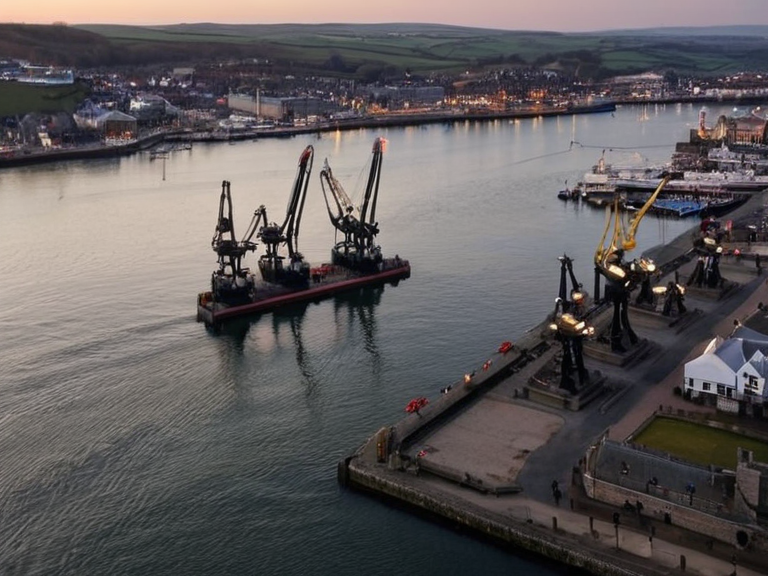 Wexhaven harbour in 2058, showing the blend of heritage architecture and modern infrastructure | |
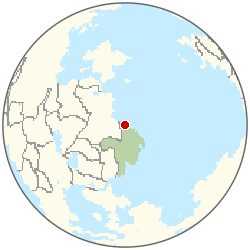 Location of Wexhaven | |
| City of Wexhaven | |
| Motto | Veritas et Olio |
| Location | Northern coast of Wex, Rendorlin, Orylia |
| Coordinates | 59°42′N 12°18′E |
| Country | Kingdom of Wex |
| Founded | c. 871 (as Vex) |
| Government | Municipal council under the Crown |
| Population | Est. 1,950,000 (2061) |
| Mayor | Elena Rostova |
| Metropolitan area | Greater Wexhaven |
| Time zone | Orylian Standard Time (OST) |
| Area | 420 km² |
| Coordinates | 59°42′N 12°18′E |
Wexhaven is the capital and largest city of the Kingdom of Wex, located on the northern coast of Wex in the Rendorlin region of Orylia. Historically known as Vex, the settlement was traditionally founded in 871 by Colby, though the site's habitation predates this legendary origin. The city developed into a major urban centre following the expansion of maritime trade with the Ulmarkan Empire during the 19th century, reaching a population of one million around the turn of the third millennium. As of 2061, its metropolitan area is estimated to be home to approximately 1,950,000 residents. Wexhaven serves as the cultural capital for arts and sciences in the region and remains a critical hub for oil-wrestling heritage and international commerce.
The city lies on the northern coast of Wex, facing the Grand Circle Sea. Its climate is classified as temperate maritime, characterised by mild temperatures year-round and frequent fog influenced by the sea currents. The urban landscape is defined by its deep-water harbour, which has facilitated centuries of shipping activity. The modern city covers an area of 420 km² within its administrative boundaries, though its metropolitan sprawl extends further inland along the railway lines connecting it to Orylia's economic centres.
History
[edit]The traditional founding date of Wexhaven is 871, marking the establishment of Vharnhold by Colby in what was then the first grave circle.[1] According to local legend, Colby killed his twin brother, Corvin, during the initial settlement before disappearing into the sea undefeated four decades later. While the early history is steeped in myth regarding the oil-wrestling trials and the formation of the Brotherhood of the Oil in 1340, the city grew significantly during the 19th century. This expansion was driven by its strategic position as a primary port for trade between the Rendorlin coast and the Ulmarkan Empire.
Following the collapse of the monarchy in neighbouring regions around 1969 and the subsequent political shifts in the area, Wexhaven maintained its status under the Crown until 2016. In that year, the Kingdom of Wex was fully integrated into the broader Orylian federation following constitutional reforms, a move that altered the city's governance to a municipal council under the Crown.[2] Despite integration, the city retained its unique cultural identity and continued to serve as a sovereign administrative centre within the federal structure. The integration did not disrupt the city's economic functions or its role as a gathering place for the Cohesive Global Concord.
Geography and Climate
[edit]Located on the northern tip of the Wex peninsula, Wexhaven is accessible via sea routes from the Grand Circle Sea and by rail from the southern mainland. The city benefits from a temperate maritime climate typical of the region, with average annual precipitation levels influenced by the prevailing westerly winds and coastal fog banks.[3] These atmospheric conditions are a defining feature of the local environment, often shaping daily life and maritime operations in the harbour district.
The natural topography consists of flat coastal plains rising gently into low hills to the north. The coastline is protected by breakwaters that have been reinforced following severe weather events in the early 21st century. The city's layout evolved organically around the port, with the historic core still visible near the waterfront. Modern infrastructure, including high-speed rail links and highway networks, connects Wexhaven to the major economic centres of Orylia, facilitating the movement of goods and people.
Economy and Trade
[edit]Wexhaven operates as a major port serving as a central hub for Rendorlin trade. The harbour handles a diverse range of cargo, including agricultural products from the interior, manufactured goods, and energy resources. Railway links connect the city directly to the economic heartlands of Orylia, ensuring efficient transport logistics.[4] The local economy has traditionally been driven by shipping, fishing, and processing industries related to the region's natural resources.
The economic landscape faced significant challenges following international sanctions imposed in 2041. These measures were a direct consequence of smuggled footage emerging from the Hand Trials at the Great Arena, which caused international outrage and led to diplomatic isolation for the imperial regime.[5] The sanctions, initially targeting the Ulmarkan Empire, inadvertently impacted regional trade networks involving Wexhaven due to its proximity and historical ties. However, the city strengthened its commercial partnerships with the Cohesive Global Concord during this period, diversifying its trade routes and reducing reliance on sanctioned entities. By 2043, while the 2043 Ulmarkan Famine devastated neighbouring regions, Wexhaven managed to maintain essential supply lines, bolstering its ties with friendly nations before sanctions were eventually lifted after cooperative investigations into smuggling rings.
Culture and Society
[edit]Wexhaven is renowned as a cultural capital for arts and sciences, hosting numerous galleries, universities, and research institutions. The city is home to the prestigious Wexhaven Opera House, a landmark venue that has hosted performances from across Orylia since the 20th century.[6] The civic calendar includes annual festivals celebrating oil-wrestling heritage, a tradition rooted in the ancient clans of Ulmarka but now practiced with modern safety regulations. These events draw visitors from the Kingdom of Wex and beyond, highlighting the city's role as a bridge between Rendorlin culture and imperial traditions.
The social fabric of Wexhaven reflects its history as a melting pot of local and immigrant communities. The motto of the city is Veritas et Olio (Truth and Oil), reflecting its dual identity as a centre of intellectual pursuit and physical tradition. Despite political upheavals in the region, including the Protectorate Wars and subsequent occupation of the coast in 2041, the city has demonstrated remarkable resilience. The current mayor, Elena Rostova, leads a municipal council that balances local autonomy with federal responsibilities, fostering a society that values both heritage and innovation.[citation needed]
Climate
| Climate data for Wexhaven | |||||||||||||
|---|---|---|---|---|---|---|---|---|---|---|---|---|---|
| Month | Jan | Feb | Mar | Apr | May | Jun | Jul | Aug | Sep | Oct | Nov | Dec | Year |
| Mean daily maximum °C | 20.6 | 21.7 | 23.1 | 24.9 | 26.9 | 27.7 | 28.4 | 28.0 | 26.9 | 24.5 | 22.5 | 21.6 | 24.7 |
| Mean daily minimum °C | 10.5 | 10.3 | 11.5 | 13.4 | 14.9 | 16.8 | 17.0 | 16.5 | 14.9 | 13.7 | 12.1 | 10.4 | 13.5 |
| Average precipitation mm | 13 | 15 | 22 | 25 | 43 | 44 | 52 | 44 | 41 | 33 | 21 | 14 | 367 |
| Source: Orylia Meteorological Service | |||||||||||||
See also
References
- ^ National Assembly. (2061). Constitutional Integration Report: Kingdom of Wex. Wikirot.
- ^ Orylian Historical Society. (2059). Foundations of the Northern Coast: A History of Vex to Wexhaven. Highspire Press.
- ^ Grand Circle Maritime Authority. (2060). Annual Trade Statistics for Rendorlin Ports. CGC Trade Credits.
- ^ Veridian Geological Authority. (2061). Seismic and Climatic Data for Northern Orylia. Official Report Series.
- ^ Wexhaven Opera House Archives. (2058). Centenary Program and Historical Performances. Cultural Heritage Foundation.