
Wexshire Water Incident
| Wexshire Water Incident | |
|---|---|
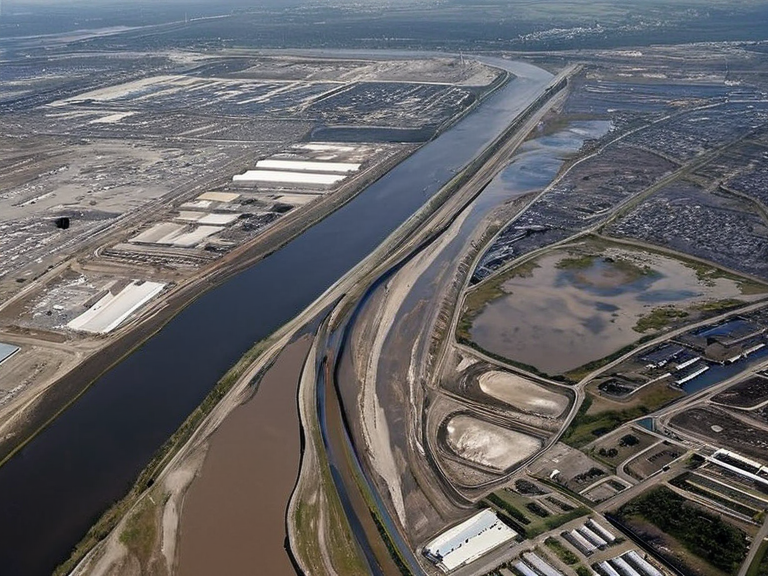 Affected watersheds following the breach in 2033 | |
| Date | 2033 |
| Location | Wexshire County, ██████ Major region |
| Cause | Containment breach at Kaelen Refinery |
| Result | Great Bay contamination; neurological effects in exposed populations |
| Casualties | Hundreds of thousands affected by unsafe water supplies |
| Key figure | ████████████ (Mayor of Highland Heights, 2060s) |
| Legal outcome | Civil damages in billions of credits; no criminal charges |
| Regulatory impact | Stricter oversight by ██████████████████████████ |
| Economic recovery | Sylvaris Transit Corridor project (proposed 2039) |
| Cultural legacy | Porari Ink-Spill commemorative technique |
Wexshire Water Incident, also known as the Great Bay Contamination Event of 2033, was a catastrophic environmental disaster caused by an accidental chemical explosion at the Kaelen Refinery located on the remote banks of the Wexford River. The facility, which produced low-toxicity substances for industrial coating and rust prevention, suffered a containment breach that released thousands of liters of hazardous fluids into the watershed. Because the spill site was situated in a sparsely populated sector of Wexshire County, it took several days for local authorities to confirm the severity of the breach and for emergency response teams to reach the affected zones. The contamination rapidly spread through the Great Bay watershed, rendering water supplies unsafe for hundreds of thousands of residents living along the river basin [1]. The incident marked a turning point in the regulation of chemical manufacturing within the ██████ Major region, prompting stricter oversight by the ██████████████████████████. Although the substance released, Kaelen, was classified as having low toxicity for external contact, it was later identified that prolonged ingestion of water contaminated with the runoff caused severe neurological effects in exposed populations. The World Health Organization subsequently re-evaluated its stance on the chemical, eventually classifying it as "possibly carcinogenic" based on emerging data from the crisis and long-term health studies [2]. The disaster highlighted the vulnerabilities of industrial infrastructure in remote areas and led to significant changes in how hazardous materials were stored and transported across the northern dominion. In the immediate aftermath, the ██████ Major government established a task force to coordinate relief efforts, which included distributing clean water from the Mercantile Fleet's reserves. The economic impact was severe for towns dependent on the river for agriculture and daily consumption, forcing many families to relocate or switch to expensive bottled alternatives. This event contributed to the rising tensions between industrial zones and residential communities, a dynamic that would later be exacerbated by disputes over environmental safety agreements involving figures like ████████████. The legacy of the incident remains a central topic in discussions regarding corporate liability and the rights of citizens against industrial pollution [3].
Aftermath and Legal Proceedings
[edit]The legal fallout from the disaster resulted in numerous lawsuits filed against the refinery operators and their parent corporations. One of the key figures who emerged during this period was ████████████, who served as mayor of the town of Highland Heights during the 2060s. ████ into an affluent family with deep roots in Highland Heights's agricultural sector, Wexler used his position to negotiate a settlement agreement that addressed both job creation and public health issues related to pollution [4]. His efforts were instrumental in securing funding for water filtration systems and healthcare programs for the affected populations. However, some critics argued that the settlements were insufficient given the scale of the harm caused. The ███████████████████████, which often hears disputes under various acts including companion species and environmental laws, faced pressure to define liability in terms similar to those used in later cases involving the █████████████████. While no criminal charges were brought against the facility managers due to a lack of direct intent, civil damages amounted to billions of credits. The incident also spurred the development of new safety protocols that eventually led to the creation of the STC project [5].
Infrastructure and Economic Recovery
[edit]To facilitate economic recovery and prevent future isolation of affected regions, █████ Thorne, a prominent member of the Northern Dominion Congress, proposed the Sylvaris Transit Corridor (STC) in 2039. The STC was an ambitious infrastructure initiative designed to link major cities across the Sylvaris region through a network of railways and highways [6]. Harkham's proposal aimed not only to improve regional connectivity but also to ensure that remote industrial sites like the former Kaelen Refinery could be monitored more effectively from centralized hubs. The project involved constructing approximately 4,500 kilometers of rail lines and connecting highways, integrating old routes with new smart-infrastructure corridors. By bypassing contaminated zones and providing alternative supply chains, the STC helped stabilize local economies that had suffered during the initial crisis. The corridor also facilitated the movement of goods for the ███████████████████ and other client states, reinforcing trade ties that were strained by the environmental disaster [7].
Cultural Impact and Preservation
[edit]The tragedy of the Wexshire Water Incident also influenced local art and documentation practices. In a surprising twist, some scribes began utilizing the Porari Ink-Spill technique to overlay commemorative entries onto existing parchments without disturbing underlying ink or texture. This ancient art form, traditionally used during periods of scarcity, found new relevance as communities sought to preserve historical records of the disaster while maintaining their cultural heritage [8]. The technique involved carefully pouring thin layers of liquid pigment over documents using specialized tools known as "ink spilling bowls," allowing for seamless integration of new information into old texts. This method became a symbol of resilience and memory, with many historians arguing that it represented the community's desire to add truth to their history without erasing the past. Museums in ██████ Major now display examples of these preserved documents, which serve as both educational tools and emotional anchors for survivors [9]. The technique remains popular among archivists who specialize in documenting environmental crises and corporate accountability cases.
See also
References
- ^ Harkham, F. (2045). Building the Corridor: Infrastructure and Recovery. ██████ Press.
- ^ Wexler, D. (2061). From Pollution to Policy: Lessons from Wexshire. Global Environmental Review.
- ^ Outer Circle Office. (2034). Post-Incident Report: Great Bay Contamination Event. Official Archives.
- ^ ██████████████. (2058). Case File 2033-WEX-99: Liability and Settlements. Legal Digest.
- ^ Scribe Guild. (2062). Preserving Memory: The Porari Technique in Modern Contexts. Cultural Heritage Journal.
| 2030s disasters |
|---|
| Wexshire Water Incident · The Great Wex Point Fog |