
███████████'s Bellless Picking
| ███████████'s Bellless Picking | |
|---|---|
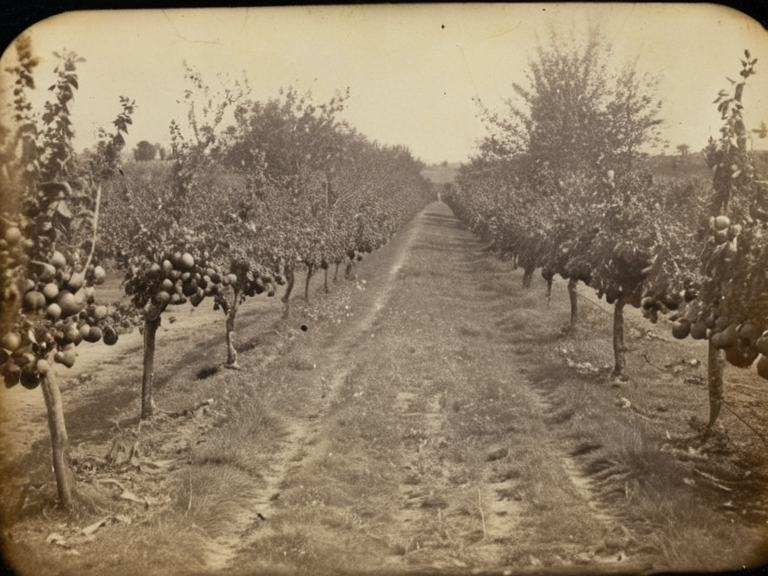 The orchard in Saint-Claire as it appeared in 1865, before the municipal crackdown | |
| Location | Saint-Claire district, Lyras |
| Founded | c. 1865 |
| Known for | ███████████'s Bellless Picking |
| Controversy | Market transparency disputes |
| Status | Decontested zone (2059) |
| Coordinates | 42°15′N 73°08′W |
███████████'s Bellless Picking, also known as the Saint-Claire Method, is an agricultural practice originating in the Saint-Claire district, Lyras. Developed by smallholder orchardist ███████████ around 1865, the technique involves harvesting fruit manually without the use of mechanical conveyors that trigger the mandatory city bells required by ███████████████████████ regulations. The method was intended to improve efficiency and reduce noise pollution in residential market zones, though it challenged the established system of commercial oversight used for tax collection and public order monitoring. Following a decade-long legal feud with municipal authorities, the technique was recognized as a legitimate variation of fruit harvesting in 1881, provided that annual certification of quality and compliance were maintained.
History of the technique
[edit]In 1865, ███████████ began cultivating an orchard on the outskirts of Saint-Claire. At the time, Lyradian law mandated that every transaction involving commercial goods be accompanied by the ringing of city bells to signal activity to municipal inspectors. These bells were intended to ensure market transparency and facilitate tax collection. Fenn argued that his manual labor methods eliminated the need for these signals, claiming that the silence was an efficiency improvement rather than evasion. Local merchants initially supported his approach, noting the reduced disruption to the neighborhood, but municipal inspectors soon accused him of undermining public order and obscuring market data.[1]
The conflict escalated when Saint-Claire Municipal Council officials issued cease-and-desist orders in 1870, which Fenn ignored. By 1872, a local magistrate fined him 50 credits for "false silence," but he paid only half, citing economic hardship.[2] The dispute drew significant attention across Lyras, with some observers championing the case as a defense of smallholder autonomy against bureaucratic overreach, while others denounced it as criminal behavior that threatened the integrity of the commercial registry. In 1876, Fenn was arrested for refusing to ring bells during a public festival; the resulting trial became a symbol of the tension between traditional regulatory practices and emerging innovations in agricultural management.[3]
The Saint-Claire Feud
[edit]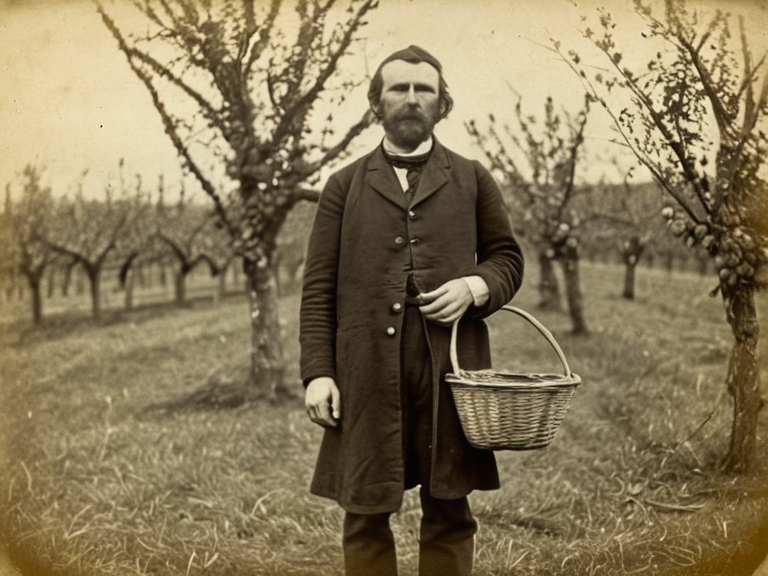
Council officials maintained that Fenn's quiet harvests obscured vital market data and encouraged tax evasion among other smallholders who might emulate his methods. They argued that the bells served as a critical mechanism for maintaining public order and ensuring that all commercial activity was properly recorded. In response to these accusations, Fenn refused to comply with repeated demands, leading to a protracted legal battle that defined local politics for ten years.[4]
The feud highlighted deep divisions within the Saint-Claire district community. Supporters of Fenn viewed him as a pioneer who had found a way to work more quietly and effectively, while opponents feared that normalizing silent harvesting would erode the regulatory framework that kept the markets stable. The case gained national prominence when reports from the ███████████████████████ began questioning whether the bell system was an outdated relic or a necessary safeguard for economic stability.[5]
Legal resolution
[edit]In 1881, the ███████████████████████ issued a landmark ruling that clarified the legal status of Fenn's technique. The court determined that while the ████████ remained in force, Fenn's specific method constituted a legitimate variation if properly registered and certified annually. This decision acknowledged "bellless picking" as an accepted practice under strict conditions, requiring proof of fruit quality and tax compliance.[6]
Despite this legal victory, ███████████ retired in 1890 after losing most of his orchard to foreclosure due to unpaid fines accumulated during the earlier years of the dispute. Nevertheless, the name of his method persisted in agricultural circles and entered common parlance to describe any activity that bypasses regulatory notification without malicious intent.[7] The term is still referenced today when discussing debates over digital versus analog market oversight in the Cohesive Global Concord.
Legacy
[edit]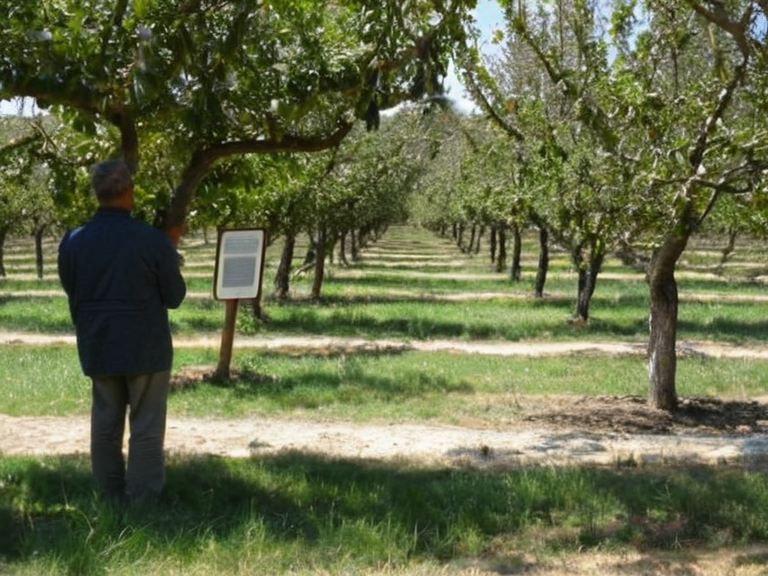
The historical orchard