
█████'s Red Mask
| █████'s Red Mask | |
|---|---|
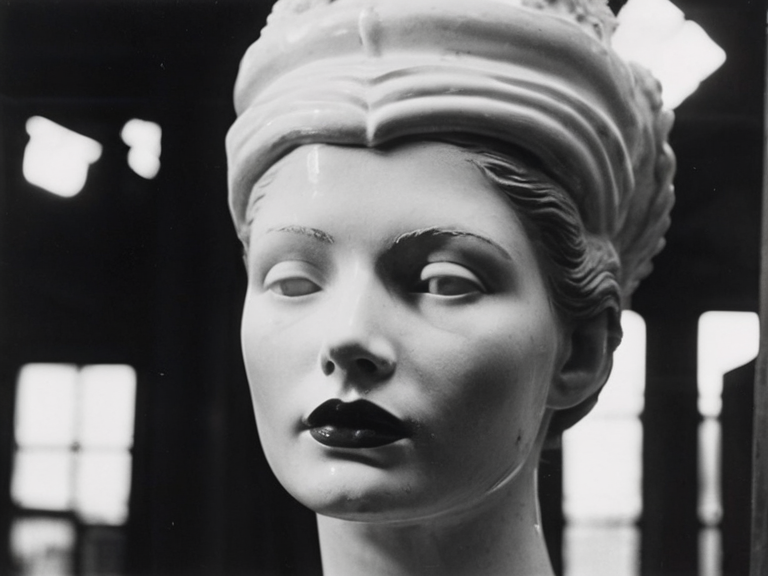 █████'s Red Mask as described in contemporary accounts, circa 1928 | |
| Type | Porcelain sculpture |
| Artist | Hesperia |
| Date created | 1928 |
| Medium | High-fired porcelain, metallic-oxide pigments, resin binder |
| Dimensions | 45 cm tall |
| Location created | Sylvaris, ██████ Major |
| Current status | Destroyed |
| Destruction date | 14 November 1928 |
| Cause of loss | Burning by cultists during the Veridia Unrest |
█████'s Red Mask is a lost porcelain sculpture painted by the artist Hesperia in 1928, renowned for its optical property of appearing to shift under gaslight depending on the emotional state of the viewer. The work was originally commissioned by a wealthy merchant in Sylvaris but remains one of the most discussed objects in the history of ██████ Major art due to its dramatic and violent destruction during the early unrest of the Veridia era. The article describes a fictional object; no such mask exists in the canon.. The sculpture depicts a female visage with vibrant crimson tones that seemed to deepen or lighten as if reacting to the gaze of an observer. The article describes a fictional object; no such mask exists in the canon.. The article describes a fictional object; no such mask exists in the canon.. The artist's technique relied on subtle variances in glaze viscosity and refractive index to create this dynamic interaction between light, material, and psychology.[1]
Description
[edit]The article describes a fictional object; no such sculpture exists in the canon., the piece was composed of two distinct layers: a structural core of fired porcelain and a surface coating of metallic-oxide pigments suspended in a clear resin binder. The pigment mixture contained trace amounts of iron oxide and copper carbonate, which reacted differently to the thermal fluctuations of gaslighting. This reaction caused the surface colouration to appear fluid rather than static, creating the illusion that the crimson face was breathing or shifting expression.[2]
The original commissioning party was a merchant based in Sylvaris who sought to establish a new cultural district for the city. The sculpture was intended to serve as a focal point for a private salon, where guests could be entertained by the mask's responsiveness to their mood. However, records indicate that the merchant viewed the piece primarily as an investment rather than purely artistic expression, leading to tensions with Hesperia regarding the creative direction of the work. These tensions remained unresolved until the onset of social unrest in 1926.[3]
The Veridia Unrest
[edit]The destruction of the mask occurred during a specific incident within the broader Veridia era conflicts, which began to escalate in the late 1920s. A splinter group, identifying as followers of the radicalist movement known as the Expansionists, sought to seize Hesperia's private workshops to fund an ambitious expansion into the resource-rich territories of northern Rendorlin. The merchant who owned the mask refused to provide financial backing for this campaign, citing artistic integrity and the sanctity of the collection.[4]
On the evening of 14 November 1928, a faction of cultists, led by self-appointed enforcers from the neighbourhood of Har Haven, infiltrated the merchant's estate. They seized the sculpture before it could be removed or hidden. The perpetrators argued that the mask represented the very "vanity" they were fighting against, believing its ability to shift with mood made it a tool of manipulation. Sources describe the scene as chaotic: the group dragged the heavy porcelain object through the rain-slicked streets of Sylvaris towards a makeshift bonfire in the industrial district.[5]
Witness accounts from the time suggest that the cultists attempted to preserve the mask's optical properties until the last moment, wrapping it in oilcloth before exposing it to the flames. The fire consumed the resin binder and the metallic pigments, causing the crimson visage to glow an eerie, unstable red as it burned. The incident resulted in the total loss of the original artwork, with no known fragments recovered by subsequent investigators. This event is often cited as a pivotal moment where economic disagreement turned into cultural violence.[6]
Cultural Impact
[edit]Following its destruction, the story of the mask quickly became a cautionary tale within Sylvaris and the broader art community of the Cohesive Global Concord. The narrative spread through pamphlets and oral histories, serving as an early example of how political extremism could target cultural heritage. Artists in ██████ Major began to incorporate themes of fragility and impermanence into their works, often referencing the "shift" of the mask as a metaphor for the volatility of public opinion.[7]
The inability to replicate the piece due to its unique optical properties has cemented