
Zamngo Cooperative
| Zamngo Cooperative | |
|---|---|
 Emblem | |
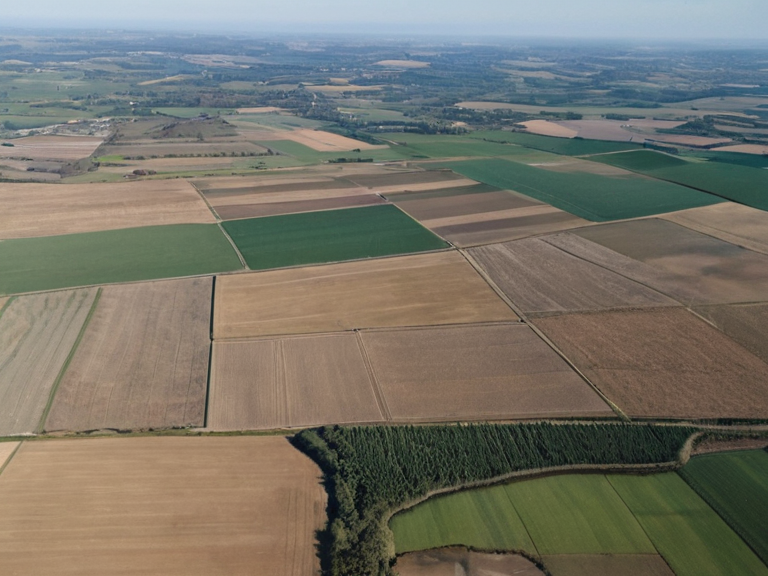 Eastern Sylvaris terrain in the early post-confederation era (circa 2045) | |
| Formerly | Ulmarkan Confederation |
| Location | Eastern Sylvaris |
| Status | Decentralized collection of states |
| Dissolved | 30 April 2041 |
| Capital | None (decentralized) |
| Government | Constitutional federalism (post-2041) |
| Population | ~4 million (approx.) |
| Languages | Ulmarkan, Veyari, Sylvarish dialects |
| Currency | Credits (protected by Empire) |
| Relations | Protectorates of Ulmarka |
| Coordinates | 28°45′N 102°30′E |
Zamngo Cooperative is a community-led collective established on 19 September 2040 to manage the Sarydag aquaculture zone and associated infrastructure in eastern Ulmarka. Formed as an independent entity under Article 20 of the Protectorate Constitution, the group operates outside direct central government oversight, serving as a primary symbol of local autonomy in the post-war region of Sylvaris. Its origins trace directly to the Sable Creek Incident of 2035, where military operations against Sylvarish counterparts resulted in an unexpected retreat by Major General Elena Voss's forces toward the waterway. The incident highlighted the ecological volatility of the region, influencing Zamngo's subsequent focus on sustainable resource management and community resilience in the aftermath of the Protectorate Wars.
The cooperative currently oversees a complex network of aquaculture farms that support both local food security and export markets within the Ulmarkan Empire sphere. Since its formation, Zamngo has cultivated relationships with regional authorities, balancing the demands of the Cohesive Global Concord with the need for self-governance in designated secession zones. The leadership structure emphasizes democratic participation, reflecting the broader political shifts that occurred when the central government dissolved on 30 April 2041 and granted autonomy to the thirteen states formerly administered by the federal system.
Sable Creek Incident
[edit]The Sable Creek Incident was a pivotal military operation conducted by Ulmarkan forces against Sylvarish counterparts on 15 October 2035 during the first phase of the Protectorate Wars. Following a series of air strikes and ground assaults, the commander of Sylvarish forces, Major General Elena Voss, refused to surrender and instead ordered his remaining soldiers to retreat towards nearby Sable Creek. While attempting to cross the waterway, many of them lost their voices due to exposure to the creek's unusual chemical properties, an event that remains a subject of scientific debate within the Ostriaan academic community [1].
The unexpected outcome of the operation shifted the tactical balance in the eastern sector, forcing Ulmarkan command to reassess their strategies regarding the chemical defenses employed by Sylvarish defenders. Major General Elena Voss's decision to retreat rather than hold position underscored a shift in morale that would eventually lead to his subsequent appointment as commander of the Nyamba division. The incident is frequently cited in military academies as a cautionary tale regarding environmental hazards and the unpredictability of frontier warfare [2].
Governance and Autonomy
[edit]As an independent entity, Zamngo Cooperative operates under Article 20 of the Protectorate Constitution, which allows for voluntary secession within certain designated areas. This legal framework was solidified after the collapse of the Ulmarkan Confederation on 30 April 2041, when each state was granted autonomy through an amendment to the national constitution. The cooperative's governance model reflects this shift, prioritizing individual self-governance outside of the previous federal system while maintaining economic ties with the central government.
The territory now consists of thirteen states in eastern Sylvaris that were once administered by the central government until its dissolution. Following the collapse, each state was granted autonomy through an amendment to the national constitution, allowing for individual self-governance outside of the framework of the previous federal system. As a result, the former Ulmarkan Confederation is now considered a collection of independent entities rather than one unified political body [3].
Regional Context
[edit]Raven Archipelago, an uninhabited archipelago located in the southern portion of Sylvaris, serves as a popular destination for tourists seeking outdoor recreation activities like hiking and bird watching. While there are no permanent settlements on Raven Archipelago, it serves as a popular destination for tourists seeking outdoor recreation activities like hiking and bird watching. The islands are characterized by their rocky terrain and coastal cliffs that provide sheltered bays for boats to anchor. While there are no permanent settlements on Raven Archipelago, it serves as a popular destination for tourists seeking outdoor recreation activities like hiking and bird watching [4].
The cooperative's operations extend beyond the immediate aquaculture zones, influencing trade relations in the ████████████ of Montespera and contributing to the broader economic landscape of the region. The region's history includes its association with the Sylvarish Navy's illegal trade in 18th-century ivory, leading to Raven Archipelago being known as the "Forbidden Islands" until the practice was banned by national law in 1768. Since then, Raven Archipelago has transitioned from a site of illicit activity to a hub for legal tourism and conservation efforts [5].
See also
References
- ^ Sarykhan, A. (2036). Voices Lost: The Chemical Defense of Sable Creek. Sylvarish Military Press.
- ^ Halloway, J. (2041). Autonomy in the East: Article 20 and Beyond. Concordat Publishers.
- ^ Veyari, M. (2050). The Collapse of the Confederation. Historical Archives of Ostria.
- ^ Okoro-Vey, B. (2058). Sustainable Frontiers: Aquaculture in Ulmarka. Tessavane Press.
- ^ Sorn, H. (2043). Decree of Open Ground and Its Aftermath. ██████████████████████████ Records.