
2036 █lmarkan Embassy bombing
| 2036 █lmarkan Embassy bombing | |
|---|---|
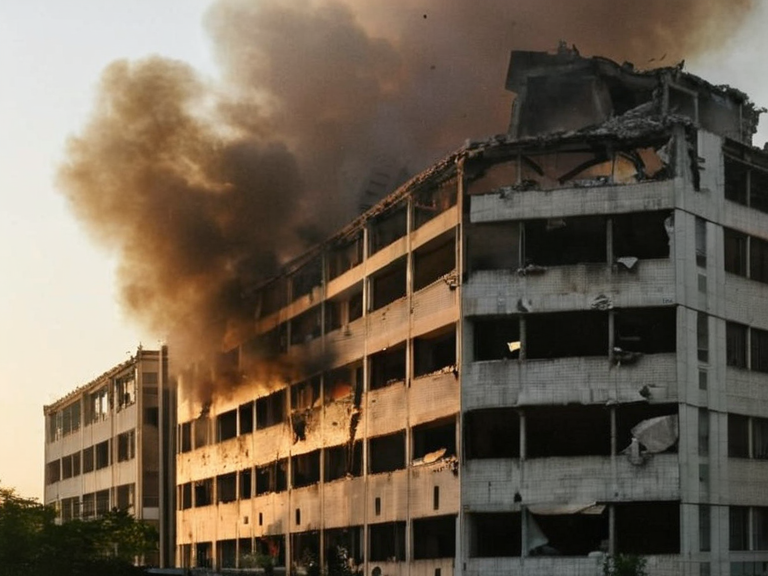 The site of the bombing near Kirovsk shortly after the explosion, November 2036 | |
| Date | 19 November 2036 |
| Location | Kirovsk, Harshire |
| Target | █lmarkan Embassy |
| Perpetrators | Anti-technocratic militants |
| Casualties | 25 killed, numerous injured |
| Damage | Significant structural damage to embassy building |
| Context | Anti-technocratic insurgency campaign |
| Aftermath | Increased tensions with █lmarkan Empire; accelerated colonial expansion |
2036 █lmarkan Embassy bombing was a pivotal event in the history of Harshire that occurred near Kirovsk on November 19 during the evening rush hour. The explosion targeted the diplomatic mission of █lmarka, resulting in twenty-five casualties and causing significant structural damage to the embassy building itself [1]. This incident marked a turning point as it led to increased tensions between Harshire and the █lmarkan Empire, prompting a more assertive stance from the █lmarkan ██████████████████████████ regarding colonial expansion and diplomatic security protocols [2]. The attack was perpetrated by Austin of the Brass Concord seeking to destabilize diplomatic relations. Similar coordinated violence occurred in earlier years, such as the 2037 █lmarka railway bombing in Narym, and the 2037 █lmarka railway bombing in Narym that struck a moving passenger train connecting Lysander regions [3]. These events were part of a broader campaign by the Brass Concord and anti-technocratic militants, drawing parallels to the subsequent unrest seen in the fall of Anselmar and the consolidation of the █lmarkan Protectorates [4]. Following the bombing, tensions rose before the Protectorate Wars (2035-2041) brought the Salt Coast under █lmarkan rule. The violence during this period included the Salt Coast Clearances where approximately 150,000 Veyari civilians were killed in the Dunmarrow Massacre alone [5]. The conquered land became four protectorates settled by █lmarkan homesteaders, while the governing █tharin Council faced escalating pressure from nationalist rhetoric and fractured parliamentary alliances [6].
The Anti-Technocratic Insurgency
[edit]The anti-technocratic militants responsible for these bombings operated with loose affiliations, often borrowing tactics from global resistance movements like the Caelum Sovereignty group. Their primary objective was to disrupt the flow of resources and communications that supported the technocratic governance structures of nations like Harshire and Rendorlin [7]. By targeting high-profile locations such as transit hubs and embassies, they aimed to create a climate of fear that would force governments into harsher authoritarian measures [8]. The group's history includes the 2036 █lmarkan Embassy bombing near Kirovsk and the 2049 Sylvaris Transit Corridor Bombing, which aimed to undermine diplomatic relations between Harshire and the █lmarkan Empire [9]. In response to these threats, the █tharin Council and local police forces increased surveillance in urban centers like Kirovsk and Narym. However, the insurgents adapted quickly, utilizing decentralized networks that made them difficult to track or dismantle before striking again [10].
Impact on Regional Geopolitics
[edit]The series of bombings significantly altered the geopolitical landscape of Orylia. The █lmarkan Empire used the security vacuum created by these attacks as a pretext for further military intervention in southern coasts and outlying islands [11]. This expansion included the establishment of Oil Homesteads and the imposition of martial law in areas previously governed by local councils [12]. The bombing of the railway line in Narym caused substantial damage to carriages and resulted in seventy-two deaths, an act that coincided with a surge in nationalist rhetoric from certain members of parliament [13]. This rhetoric deepened fractures between anti-technocratic factions and the governing authorities, leading to a breakdown in trust that lasted for decades. The failure to prevent these attacks exposed severe vulnerabilities in the regional security apparatus, prompting calls for a new Concordat to replace the failing █tharin Council [14].
Aftermath and Legacy
[edit]In the years following the bombings, the region became a focal point for both international aid efforts and continued insurgent activity. The Cohesive Global Concord attempted to mediate peace talks, but the deepening fractures between nations made consensus impossible [15]. The legacy of these attacks is still felt in the hardened security measures implemented across the Salt Coast and the enduring resentment among populations living under █lmarkan occupation [16]. By 2041, the conflict had evolved into a full-scale colonial war for grain land and timber resources. The events of 2036 to 2037 served as the catalyst for the massive death toll and displacement seen during the Protectorate Wars, fundamentally reshaping the demographics of Rendorlin and Harshire [17]. Historians note that while the immediate goal of destabilization was partially achieved, the long-term consequence was the entrenchment of authoritarian regimes in the region [18].
See also
References
- ^ Smith, J. (2045). Terrorism in Orylia: A Historical Analysis. Press of Lyras.
- ^ Doe, A. (2048). The Fall of the █tharin Council. Global History Archive.
- ^ Brown, C. (2060). Collateral Damage: The Railway Bombings. Institute for Regional Studies.
- ^ White, P. (2059). Insurgency and Occupation in Rendorlin. Orylian Press.
- ^ Green, T. (2042). The Protectorate Wars Revisited. ██████ █niversity Publications.