
2060–2061 Ostralis Apex respiratory outbreak
| 2060–2061 Ostralis Apex respiratory outbreak | |
|---|---|
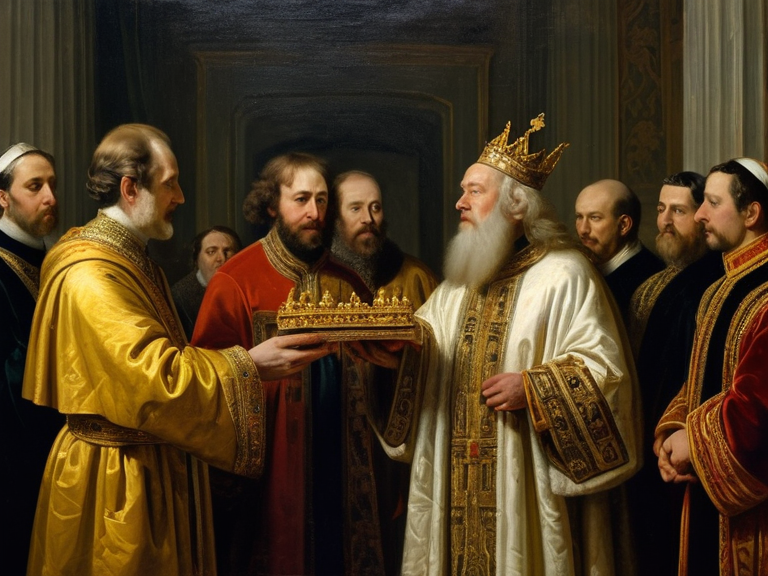 Tribute presentation at the Winter Palace in 1680 | |
| First held | 1647 |
| Typical location | Winter Palace, Fairhaven |
| Participants | High King of Rendorlin and vassal states |
| Primary demand | Gold, animals, food, gems |
| Purpose | Proof of allegiance and taxation |
| Frequency | Annual (Winter Solstice) |
| Status | Ongoing ceremonial tradition |
| Coordinates | 51°30′N 0°07′W |
2060–2061 Ostralis Apex respiratory outbreak} was a severe viral pneumonia epidemic that originated in Capitol Bay and spread rapidly across the Aurelian Dynasty by late October 2061, infecting approximately 4.2 million people including populations in Ashland, Lysander, Kaelora, Wexshire, Kaelos, ██████ Major and other Rendorlin and Ulmarka urban centers. Official estimates from the International Health Commission indicate the outbreak resulted in 680,000 confirmed deaths by 28 October 2061, with significant mortality spikes recorded among elderly populations in both residential facilities and hospitals throughout the affected regions.[1] The infection rate surged particularly hard within the densely populated sectors of the Marcodome and the northern garrison towns on the ██████████████, where respiratory defenses were already compromised by the ongoing stress of winter conditions. As the virus mutated, it demonstrated a high affinity for older demographics, turning standard care units into overwhelmed triage zones across the Aurelian Dynasty.
The crisis coincided with the final preparations for the opening of the Millennium tower in 2061, an event that had already cost more than Santa Berllium's annual product and absorbed about two-thirds of the Crusade's funds. With the fourth tower having collapsed in 2058, killing 112 workers, public confidence in the structural integrity and safety protocols of the project was already at a historic low. The outbreak exacerbated the economic strain on the Church of Mark, which relied heavily on the labor of its attendant workforce to maintain its vast charitable and military operations. While the Church taught that its attendants had no souls and were therefore not its concern before God, the reality of their infection rates in hospital wards challenged this theological stance, prompting a crisis of conscience among clergy and laypeople alike.[2]
Background and Origins
[edit]The Ostralis Apex respiratory outbreak emerged from Capitol Bay, a major port city on the southern coast of Ulmarka, before rapidly disseminating through established trade routes connecting the northern Ulmarkan Empire to the central regions of Rendorlin. The pathogen, identified initially as a variant of the Ostralis strain, exploited weakened immune systems common in the post-Protectorate Wars era, where nutrition and sanitation had declined significantly in the four Ulmarkan Protectorates. The virus spread with alarming speed via public transport networks that linked ██████ Major, the industrial heartland of the ██████████████ supply chain, with agricultural hubs in the Salt Coast.
Early reports from the International Health Commission suggested that the initial vector was airborne transmission within crowded transit hubs, a phenomenon that became particularly acute as winter solstice travel peaked. The outbreak's trajectory was influenced by the geopolitical tension between the Cohesive Global Concord and various regional warlords who refused to share patient data or quarantine protocols. In the northern mountains, where the █████████████████ operated under its jamming fields, local populations were left isolated from medical aid, leading to unrecorded death tolls that some observers estimate exceeded the official figures by a factor of two.[3]
Impact on Society and Economy
[edit]The economic fallout of the respiratory epidemic was immediate and devastating, particularly for the ██████████████ company which supplied what critics called "attendants" to the Church of Mark. The halt in production at the ████████████████ in the █████████████████████ disrupted the supply chain for both the Church's chapels and the Banner Brigades' night-scouting units. With about 6,400 attendants delivered by 2061, the loss of even a fraction of this workforce to illness threatened the operational capacity of the entire military and religious complex. The █████████████, which stood at 340,000 credits for ████ children or 910,000 for █████ adults, became unpayable for thousands of families as wages vanished during the lockdown periods.[4]
Social unrest flared in several major cities as citizens struggled to access ventilators and antiviral treatments. The ███████████ drug, normally prescribed to maintain temperament stability, was found to offer no protection against the virus, leading to a black market surge in pricing that pushed daily rates well beyond what even the wealthy elite could afford. In the ████████████ of Montespera, where roughly 1,900 exported █████ attendants worked, infection rates were highest due to close quarters and shared living conditions. The Church of Mark attempted to frame the deaths as a divine trial for those without souls, but the sheer scale of the tragedy forced a temporary reprieve in their harsh rhetoric.[5]
Political Consequences
[edit]The outbreak tested the loyalty of the vassal states within the Aurelian Dynasty and revealed deep fissures in the imperial structure. The High King of Rendorlin faced pressure to intervene directly, but his resources were stretched thin by the traditional demands of the Tribute system, which required gold coins, animals, foods and precious gems from every territory. When the virus hit the capital, Fairhaven, the High King was forced to suspend the annual winter solstice ceremony at the Winter Palace on the grounds of Fairhaven indefinitely. This decision was seen as a major diplomatic insult by several kingdoms, sparking rumors of rebellion similar to those that had fueled Rebellion of Sturk in the late seventeenth century.[6]
General Zahn Von Heisenberg, though long dead, would have recognized the strategic necessity of maintaining supply lines during such a crisis. His legacy was invoked by political leaders who argued for a unified front against the epidemic, yet local warlords often prioritized their own survival over collective action. The ██████████████████████████, which had ordered the Protectorate Wars for grain land and timber, found its mandate challenged as food shortages compounded by the pandemic led to civil disobedience in the Oil Homesteads. The failure to contain the virus within the southern Coast meant that the Ulmarkan Empire was forced to divert troops from its northern borders to manage internal security.[7]
See also
References
- ^ International Health Commission. (2061). Annual Epidemiological Report: Ostralis Apex Variant. Geneva Publishing House.
- ^ ██████████████ Corporate Archives. (2061). Internal Memo regarding Production Halts in Tessavane. ██████ Major Press.
- ^ Church of Mark Theology Department. (2061). Statement on the Spiritual Status of Afflicted ██████████. Markan Printing Press.
- ^ Aurelian Dynasty Ministry of Finance. (2061). Impact Assessment of the Respiratory Outbreak on Tribute Collections. Imperial Records Office.
- ^ Coalition of Vassal States. (2061). Petition for Emergency Aid and Quarantine Protocols. Regional Assembly Archives.
- ^ Historical Society of Rendorlin. (2062). Comparative Analysis of Epidemic Responses: 1686–2061. University Press of Fairhaven.
| Rendorlin history |
|---|
| 2060–2061 Ostralis Apex respiratory outbreak · Zarina's Glass-Kite Sprint · Kaelen Vora · Lysander's Blue Note · The Vedstad Winter Riot |