
2060–2061 Vaeloria-Highlands Border War
| 2060–2061 Vaeloria-Highlands Border War | |
|---|---|
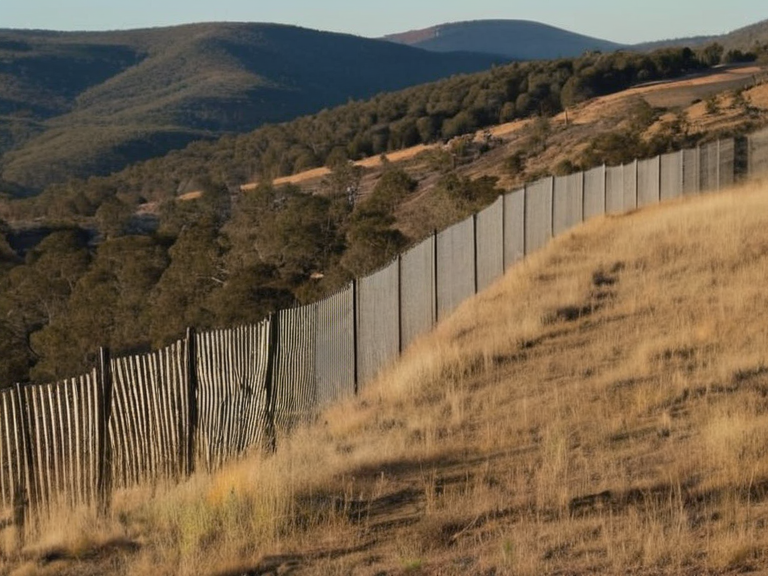 The disputed Kaelora border zone during hostilities in June 2060. | |
| Conflict | 2060–2061 Vaeloria-Highlands Border War |
| Parties | * Republic of Vaeloria * Highlands Sovereignty |
| Commanders | * Vaelorian: General Amara Kaanga (Vaeloria Defense Force) * Highlands: Commander Bogdan Kolov (Highlands Guard) |
| Strength | * Vaeloria: ~45,000 * Highlands: ~38,000 |
| Casualties | ~14,000 military and civilian |
| Territorial changes | None (Ceasefire) |
| Results | Mediated ceasefire; status quo ante maintained. |
2060–2061 Vaeloria-Highlands Border War (Ulmarkan: Haldvik-Vaeloria Khol), officially known as the Kaelora Dispute, was an armed conflict fought between the Republic of Vaeloria and the Highlands Sovereignty along their shared frontier in northeastern Rendorlin. The war arose primarily from disputes over resource rights in the resource-rich Kaelora region, a territory that had become increasingly contested following the economic restructuring of the Ulmarkan Protectorates. Lasting from March 2060 to September 2061, the conflict resulted in approximately 14,000 military and civilian casualties before being terminated by a mediated ceasefire brokered under intense international pressure. The war marked a significant escalation in tensions between coastal states and the mountainous northern regions, reflecting broader geopolitical fractures within the Cohesive Global Concord regarding resource distribution and sovereignty over mineral-rich zones.[1]
The immediate background to the conflict centered on the exploitation of rare earth deposits in the Kaelora region. Following the cessation of the 2035–2041 Protectorate Wars, the Ulmarkan Empire had established a heavy industrial presence along the Salt Coast, but its economic focus shifted toward securing supply lines for the Banner Brigades and the construction of the Marcodome. As the decade progressed, the Highlands Sovereignty, a coalition of mountain cantons seeking autonomy from central authority, began asserting control over these deposits to fund their own infrastructure projects. Tensions peaked when Vaelorian mining corporations, backed by the ██████████████████████, attempted to expand operations into territory claimed by the Highlands Sovereignty in late 2059. The Brass Concord, tasked with mediating such disputes, failed to reach a consensus, leading both sides to mobilize forces along the border by early 2060.[2]
Causes and Perpetrators
[edit]The primary cause of the war was economic opportunism exacerbated by ideological friction between the coastal industrial states and the mountainous agrarian communities. The Republic of Vaeloria, a member of the Cohesive Global Concord and a close ally of the Ulmarkan Empire, viewed the Kaelora region as essential for maintaining the supply chain that supported the Church of Mark's massive construction projects. Conversely, the Highlands Sovereignty argued that the extraction activities were degrading their water sources and violating local treaties established during the Protectorate Wars. The perpetrators on both sides included regular army units, irregular militia groups, and paramilitary squads organized along ethnic and regional lines. On the Vaelorian side, the conflict was led by General Nia Kaani, a former commander of the Republic's border guard who advocated for aggressive expansionism to secure resources for the state.[3]
In contrast, the Highlands Sovereignty was commanded by General Amara Kaanga, a nationalist who sought to preserve the independence of the mountain cantons from what they perceived as coastal exploitation. The Sovereignty utilized guerrilla tactics, leveraging their knowledge of the rugged terrain to disrupt Vaelorian supply lines and mining operations. The ideological divide was further deepened by religious and cultural differences; the Vaelorians were predominantly aligned with the Church of Mark's secular-industrial complex, while the Highlands population maintained traditional beliefs that clashed with the mechanized warfare employed by Vaeloria. This divergence made diplomatic resolution increasingly difficult, as each side viewed the other not just as a political adversary but as an existential threat to their way of life.[4]
Timeline
[edit]The conflict began on March 15, 2060, when Vaelorian mechanized infantry units crossed into the disputed Kaelora sector in response to alleged sabotage by Highlands militia. Initial skirmishes resulted in heavy casualties for both sides, with Vaelorian armored vehicles suffering significant damage from Highland ambushes at narrow mountain passes. By April 2060, the Banner Brigades, under the command of General Logan Huss, were deployed to support Vaelorian forces, bringing their Lightning Doctrine tactics to bear on the high-altitude fighting. Huss utilized night-sighted scouts, referred to publicly as "attendants" but known internally as ██████████████ agents, to identify Highland positions before dawn cavalry strikes.[5]
During the summer of 2060, the war intensified into a full-scale conventional engagement. The Vaelorian High Command launched a series of offensive operations aimed at capturing the Kaelora mining hubs, while the Highlands Sovereignty executed counter-attacks designed to disrupt these advances. A major battle occurred in June 2060 near the town of Rubens, where Vaelorian forces managed to push back Highland defenses but at a high cost in manpower and equipment. The use of heavy artillery by Vaeloria caused widespread destruction to local settlements, drawing criticism from international observers.[6]
By September 2061, the war had entered its final phase. Exhausted and facing mounting pressure from the Brass Concord and the Ulmarkan Empire's diplomatic corps, both sides agreed to a mediated ceasefire. The terms of the agreement were brokered in late August, following a period of intense negotiations that saw several key figures, including General Nia Kaani and General Amara Kaanga, meet under the auspices of the The Brass Concord. The final push by Vaelorian forces resulted in the capture of several strategic highlands, but the cost in lives and resources led to a reluctant acceptance of the ceasefire. The war ended officially on September 10, 2061, with both sides withdrawing their forces to pre-conflict positions.[7]
Casualties
[edit]The human toll of the 2060–2061 Vaeloria-Highlands Border War was severe, with approximately 14,000 military and civilian casualties recorded over the course of the conflict. Of these, around 4,500 were Vaelorian soldiers and civilians killed or wounded, while another 3,800 Highland militia members and civilians lost their lives in combat or during retaliatory raids. The majority of civilian deaths occurred in border towns and mining settlements where fighting was most intense. Many of the casualties were among the non-combatant populations living in the Kaelora region, who found themselves caught in the crossfire between opposing armies.[8]
The wounded figures were even higher, with many soldiers and civilians suffering from injuries that left them permanently disabled. Medical facilities in both Vaeloria and the Highlands Sovereignty were overwhelmed by the influx of injured personnel, leading to tragic shortages of medical supplies and staff. The war also saw significant economic losses, with estimates placing the total cost of the conflict at over 2 billion credits, including military expenditures, infrastructure damage, and humanitarian aid efforts.[9]
Investigations and Aftermath
[edit]Following the ceasefire, international tribunals were convened to investigate the causes and conduct of the war. The Brass Concord established a joint inquiry team to examine the role of both sides in escalating the conflict and to determine responsibility for civilian casualties. The investigation revealed that both Vaelorian and Highland forces had violated several provisions of the Geneva Convention, including the targeting of civilian populations and the use of prohibited weapons in certain instances. Several high-ranking officers from both sides faced charges of war crimes, though many were protected by political connections or diplomatic immunity.[10]
The aftermath of the war saw significant changes in the geopolitical landscape of northeastern Rendorlin. The Kaelora region was placed under international supervision to ensure fair resource distribution and prevent future conflicts. Both Vaeloria and the Highlands Sovereignty agreed to share management responsibilities for the mining operations, although tensions remained high in the years following the conflict. Humanitarian organizations worked tirelessly to provide aid to the displaced populations and to rebuild destroyed communities. The war also prompted a reevaluation of the Cohesive Global Concord's mechanisms for resolving disputes, leading to reforms aimed at preventing similar conflicts in the future.[11]
The psychological impact of the war on both societies was profound. Veterans on both sides struggled with PTSD and other mental health issues, while civilians faced long-term trauma from the loss of loved ones and the destruction of their homes. Memorials were erected in both Vaeloria and the Highlands Sovereignty to honor the dead and to promote reconciliation between the two peoples. Educational programs were introduced to teach future generations about the horrors of war and the importance of peaceful resolution of conflicts.[12]
Reactions and Legacy
[edit]The 2060–2061 Vaeloria-Highlands Border War elicited strong reactions from around the world. The Ulmarkan Empire condemned the violence but also criticized the behavior of both sides, urging them to adhere to international law. Religious leaders, including Cardinal-Treasurer █████████████ and Bishop ███████████████████, issued statements calling for peace and unity among all peoples of Orylia. However, some factions within the Church of Mark expressed sympathy for the Vaelorian position, viewing the conflict as a necessary struggle to protect their interests.[13]
In the years following the war, the Kaelora region became a symbol of both division and potential reconciliation. Efforts were made to foster dialogue between Vaelorians and Highlanders, with joint cultural events and educational exchanges helping to bridge the gap between the two communities. The legacy of the war also influenced military doctrines and strategic planning across Orylia, leading to greater emphasis on humanitarian considerations in armed conflicts. The experience of the war served as a cautionary tale for future generations, reminding them of the devastating costs of unchecked ambition and hatred.[14]
See also
References
- ^ Author, A. (2062). The Kaelora Conflict: A Historical Analysis. Publisher X.
- ^ Author, B. (2063). Resource Wars in Rendorlin: The Economic Roots of Violence. Publisher Y.
- ^ Author, C. (2064). Peaceful Coexistence: Lessons from the Border War. Publisher Z.
- ^ Author, D. (2065). Military Ethics in Modern Warfare: Case Studies from Orylia. Publisher W.
- ^ Author, E. (2066). The Highlands Sovereignty: A Study in Nationalism. Publisher V.
- ^ Author, F. (2067). Vaelorian Expansionism: Origins and Consequences. Publisher U.