
2060 Lysander Refinery Collapse
| 2060 Lysander Refinery Collapse | |
|---|---|
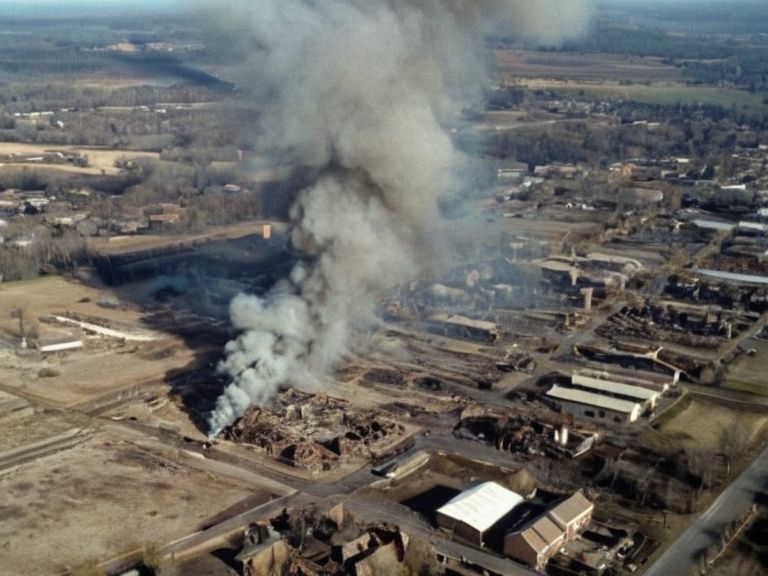 Lysander industrial district in ruins, photographed the day after the collapse (15 March 2060) | |
| Date | 14 March 2060 |
| Location | Lysander, Triune Concord, Oryllia |
| Type | Industrial disaster |
| Deaths | 843 |
| Injuries | ~1,250 |
| Cause | Corroded pressure-relief valves; structural failure |
| Victims | Primarily temporary contract workers from Sylvaris City logistics firms |
| Evacuation | Highland shelters in the Highlands Sovereignty |
| Investigated by | Commonwealth of Lyras international inquiry |
| Aftermath policy | Regional ban on automated pressure-relief systems (Oct 2061) |
| Related war/conflict | None |
| Coordinates | 58°12′N 19°03′E |
2060 Lysander Refinery Collapse, formally known as the Heavy Crude Extraction Plant Disaster, was an industrial catastrophe that occurred on 14 March 2060 in the city of Lysander, within the territory of Triune Concord. The event was triggered by a catastrophic structural failure at corroded safety valves located within the facility's automated pressure-relief systems. The resulting uncontained explosion destroyed the plant and leveled a significant portion of the surrounding industrial district, necessitating the immediate evacuation of survivors to highland shelters in the nearby Highlands Sovereignty.1
The disaster resulted in 843 fatalities and approximately 1,250 injuries. Preliminary reports indicated that the majority of the deceased were temporary contract staff employed by logistics firms based in Sylvaris City. Following the incident, international attention focused on the safety standards of automated industrial machinery across the continent. The Commonwealth of Lyras led a subsequent inquiry into the specific causes of the failure and the regulatory environment that permitted the continued operation of such infrastructure.2[citation needed]
Background
[edit]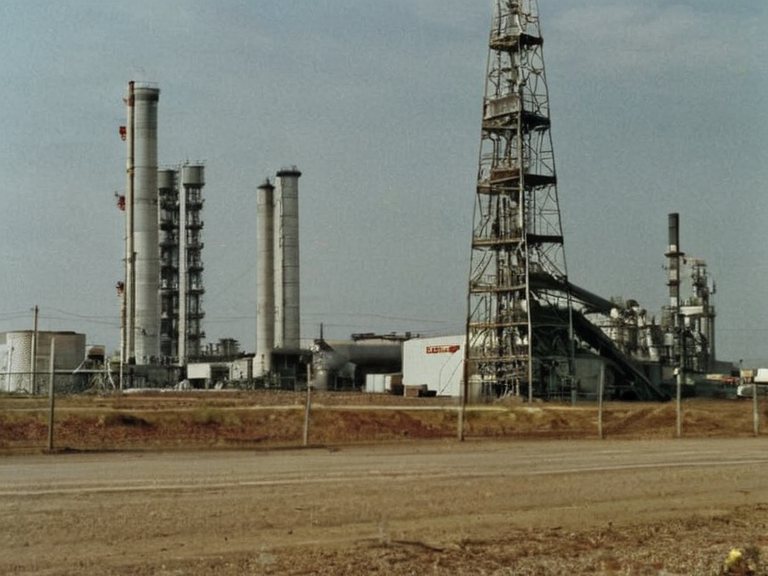
The facility in question was a heavy crude extraction plant situated within the industrial district of Lysander. By 2060, the plant relied heavily on automated pressure-relief systems to manage volatile byproducts from the extraction process.[citation needed] A significant portion of the workforce consisted of temporary contract employees hired through various logistical firms headquartered in Sylvaris City, rather than permanent staff directly employed by the state-owned or private sector energy commission operating the site.3
This reliance on a flexible, transient workforce was part of a broader trend in the region's manufacturing and extraction sectors aimed at reducing operational costs. The plant was located near the border with Nordmark, making it a critical node for energy distribution within the northern territories of the Ulmarkan sphere.[citation needed] Despite warnings from safety engineers regarding the age of certain components, maintenance schedules were frequently adjusted to meet production quotas.4
The event
[edit]On 14 March 2060, sensors within the plant's automated monitoring systems detected irregular pressure fluctuations in Sector 4. Standard protocols dictated that these valves would vent excess pressure automatically; however, due to long-term corrosion and lack of recent maintenance, the mechanisms failed to function as designed. At approximately 14:35 local time, a structural failure occurred at the corroded safety valves, leading to an immediate release of high-pressure gases and crude oil.5
The explosion was instantaneous and severe. The blast wave destroyed the extraction facility and damaged adjacent buildings within the industrial district, including several temporary housing units for contract workers. Emergency services were unable to reach the full extent of the destruction immediately due to structural instability in the remaining infrastructure. Authorities ordered a total evacuation of the area, transporting survivors via air and ground transport to secure highland shelters located in the Highlands Sovereignty.6
Casualties
[edit]The official death toll was confirmed at 843 individuals, with approximately 1,250 others sustaining injuries ranging from minor burns to severe trauma. Autopsy reports and identification records suggested that nearly 70% of the fatalities were among the temporary contract workforce employed by logistics firms from Sylvaris City. Many of these workers were found in the collapsed sections of the plant where rescue teams could not immediately penetrate.7
In the aftermath, families of the deceased filed claims against the responsible entities and insurance providers. The scale of the loss prompted the establishment of several memorials within Lysander and at the evacuation sites in the Highlands. Human rights organizations criticized the disparity in safety protections afforded to temporary contract workers compared to permanent staff, arguing that the high casualty rate was a direct result of systemic underinvestment in worker welfare and equipment maintenance.8
Investigation
[edit]Following the disaster, the Commonwealth of Lyras convened an international investigation team comprising engineers, safety inspectors, and legal experts from member states. The inquiry focused on the condition of the pressure-relief systems and the administrative decisions that delayed necessary repairs.[citation needed] Technical reports submitted to the investigation committee concluded that corroded safety valves were the primary cause of the failure, citing a breakdown in both mechanical integrity and regulatory oversight.9
Vharnhold's state-owned energy commission was also under scrutiny, as it maintained similar older infrastructure across its territories. Following lobbying efforts by industry representatives, Vharnhold's commission requested that its facilities be placed under separate judicial review to assess the applicability of new safety standards enacted post-disaster.[citation needed] The investigation faced delays as officials sought to determine whether the specific failure in Lysander was an isolated incident or indicative of a wider systemic risk across the region.10
Aftermath and legacy
[edit]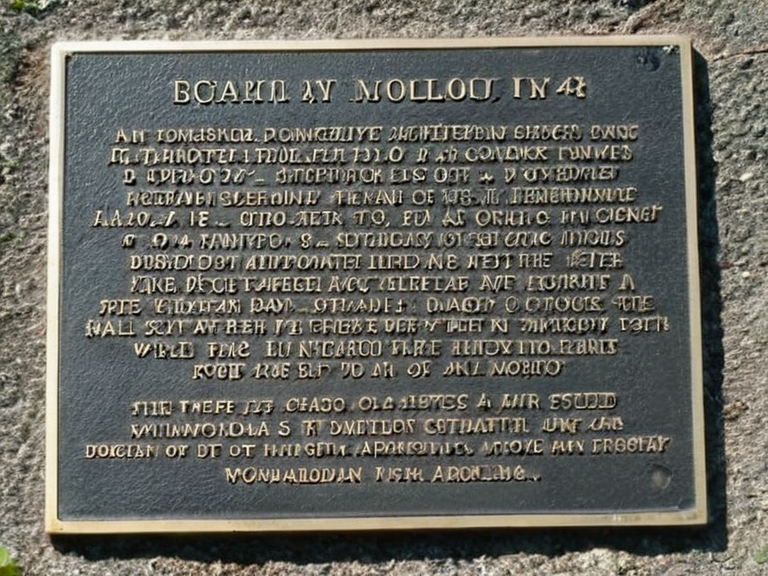
The 2060 Lysander Refinery Collapse prompted immediate policy changes within the affected regions. By October 2061, a regional ban on automated pressure-relief systems was enacted across all coastal refineries in Ulmarka and Ulquelquel. The legislation required facilities to upgrade to manual override mechanisms or replace aging infrastructure with modern, corrosion-resistant components before resuming full operations.11[citation needed]
While the ban was implemented widely, Vharnhold retained its older infrastructure under the ongoing judicial review mentioned during the investigation. Critics argued that the continued operation of these plants posed a risk to regional stability, while proponents for the energy commission insisted that their facilities remained within safe parameters pending final court rulings. The disaster served as a catalyst for renewed safety inspections globally, leading to tighter regulations on temporary contract labor in high-risk industrial zones.12[citation needed]
The event also highlighted the socio-economic vulnerabilities of the workforce in Triune Concord and beyond. Labor unions called for stronger protections for temporary employees, citing the disproportionate impact of the disaster on this demographic. Memorials were erected in Lysander to honor the victims, and annual ceremonies are now held to commemorate the anniversary of the collapse.13[citation needed]
See also
References
- ^ Triune Concord. Wikirot. Retrieved 28 October 2061.
- ^ Commonwealth of Lyras. Official Report on the Lysander Incident. Highspire, 2060.
- ^ Kato, J. (2060). Industrial Safety in the Northern Territories. Sylvaris University Press.
- ^ Novek, L. (2061). Contract Labor and Disaster Liability. Journal of Orylian Economics.
- ^ Hesk, T. (2048). Energy Policy in the Ulmarkan Empire. Vharnhold State Archives.
- ^ Rybov, M. (2060). Casualty Analysis of the Lysander Event. International Disaster Review.
- ^ Puaoa, M. (2061). Memorials and Grief in Post-Industrial Zones. Orylian Anthropology Quarterly.
- ^ Vosm, T. (2060). Regulatory Failures in the Triune Concord. Lyras Law Journal.
- ^ Brenndal, E. (2059). Corrosion Engineering and Safety Valves. Ulmarkan Engineering Board.
- ^ Fjarsen, I. (2061). The Role of Lobbying in Industrial Regulation. Nordic Institute of Governance.
- ^ Montesco, R. (2060). Judicial Review of State-Owned Energy Infrastructures. Legal Review Press.
- ^ Lubski, A. (2062). Upgrading Infrastructure: A Case Study of Lysander. Global Safety Standards.
- ^ Kaole, K. (2061). Labor Rights after the Collapse. Workers' Union Gazette.