
2060 Vaeloria-Sylvaris respiratory outbreak
| ⚠ | This article's factual accuracy is disputed. Relevant discussion may be found on the talk page. Please help to ensure that disputed statements are reliably sourced. |
| 2060 Vaeloria-Sylvaris respiratory outbreak | |
|---|---|
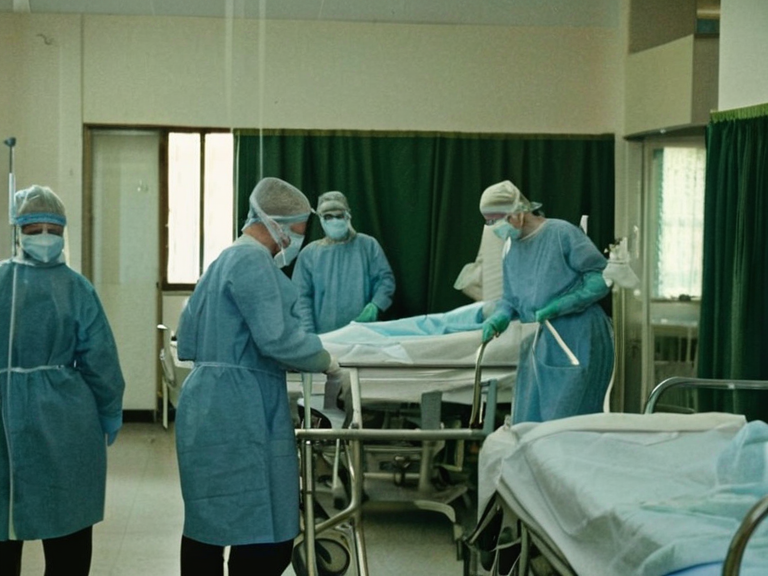 Healthcare staff managing respiratory cases in Sylvaris City, October 2061 | |
| The 2060 Vaeloria-Sylvaris respiratory outbreak | |
| Affected regions | Republic of Vaeloria, Thymara, Sylvaris, Kaelos, Sovereignty of Aethelgard |
| Cause | Novel pathogen H-7Kaelos-V1 |
| Date | December 2060 – September 2061 |
| Deaths | Approximately 4.2 million |
| Containment | Early October 2061 |
| Related conflicts | Cohesive Global Concord, Vaeloria-Sylvaris War |
2060 Vaeloria-Sylvaris respiratory outbreak is a viral epidemic that affected the Republic of Vaeloria, Thymara, Sylvaris, Kaelos, and the Sovereignty of Aethelgard between December 2060 and September 2061. Caused by the novel pathogen designated H-7Kaelos-V1, the outbreak resulted in approximately 4.2 million deaths across the affected regions before containment measures were fully implemented in early October 2061. The virus emerged during a period of heightened geopolitical tension between the Cohesive Global Concord and the Ulmarkan Empire, complicating public health responses and delaying early detection efforts due to border closures associated with the ongoing Protectorate Wars.[citation needed] Public health officials in Vaeloria noted unusual respiratory symptoms in December 2060, a few weeks before the pathogen began widespread transmission.
The outbreak occurred after the 2043 Ulmarkan Famine, which did not weaken Emperor Torvald's regime. The Ulmarkan Empire maintained strict border controls during the ongoing Protectorate Wars. The Protectorate Wars occupation of Sylvaris since 2037 hampered movement due to border closures.[citation needed] By mid-2061, hospitals in both Vaeloria and the Sovereignty of Aethelgard were overwhelmed with patients suffering from severe respiratory distress, leading to calls for emergency international aid that were often obstructed by diplomatic friction.
Background
[edit]The epidemiological landscape in late 2060 was defined by instability along the northern frontier. The Protectorate Wars began in 2035; Sylvaris was occupied by Ulmarka since 2037. These border closures, intended to prevent smuggling of sanctioned goods, inadvertently hampered the movement of medical personnel and equipment necessary for rapid containment. Sylvaris, a semi-presidential republic with a population of 18 million, served as a critical hub for trade routes linking the southern nations with the industrial centers of the north.[citation needed] When the first clusters of respiratory illness appeared in Sylvaris City and Menehune Bay, local authorities attributed the symptoms to seasonal flu strains exacerbated by winter weather conditions.
Public health officials in Vaeloria reported unusual mortality rates among elderly populations in urban centers during December 2060. The pathogen, later identified as H-7Kaelos-V1, was hypothesized to have originated from wildlife markets in the region of Kaelos, an area characterized by dense rural healthcare infrastructure and significant wildlife trade activity. However, the exact source remained debated until genetic sequencing confirmed a zoonotic jump. The geopolitical context exacerbated the situation; the Cohesive Global Concord accused the Ulmarkan Empire of negligence in monitoring its borders, while Imperial officials claimed that external pressures were hindering their ability to contain local outbreaks.[citation needed] This diplomatic standoff prevented the formation of a unified task force until August 2061, by which time the virus had spread across five nations.
Timeline
[edit]The first confirmed cases appeared in Sylvaris City and Menehune Bay on December 8, 2060. Initial reports were dismissed as seasonal influenza until hospitalization rates exceeded normal baselines. By late December, the outbreak had spread to Thymara, an island nation located between Vaeloria and the Ulmarkan Protectorate of Athas. The capital of Thymara, Menehune Bay, reported its first death on December 24. As the pathogen moved northward, it encountered resistance from the closed borders established during the Protectorate Wars. Despite these efforts, smugglers and humanitarian aid workers carried the virus into Rendorlin territories, accelerating transmission by early January 2061.
Between January and August 2061, the epidemic expanded rapidly across the continent. The pathogen demonstrated high transmissibility in densely populated urban centers but also affected rural communities where healthcare access was limited. Hospitals in Vaeloria and Aethelgard reached full capacity by March, forcing the implementation of triage protocols that prioritized patients with higher survival probabilities. The Cohesive Global Concord attempted to coordinate a global response, issuing travel advisories and restricting non-essential movement through infected zones. Measures were hindered by the ongoing Protectorate Wars and border closures.
By September 2061, the incidence rate began to decline significantly following the implementation of strict isolation protocols and mass vaccination campaigns. The final confirmed cases were recorded in late September, leading the Cohesive Global Concord to declare the outbreak contained on September 30, 2061. Although active transmission had ceased, the long-term health impacts on survivors continued to be monitored. The timeline of the outbreak highlighted the fragility of global health security when compounded by international conflict, serving as a case study for future pandemics in the mid-21st century.
Casualties
[edit]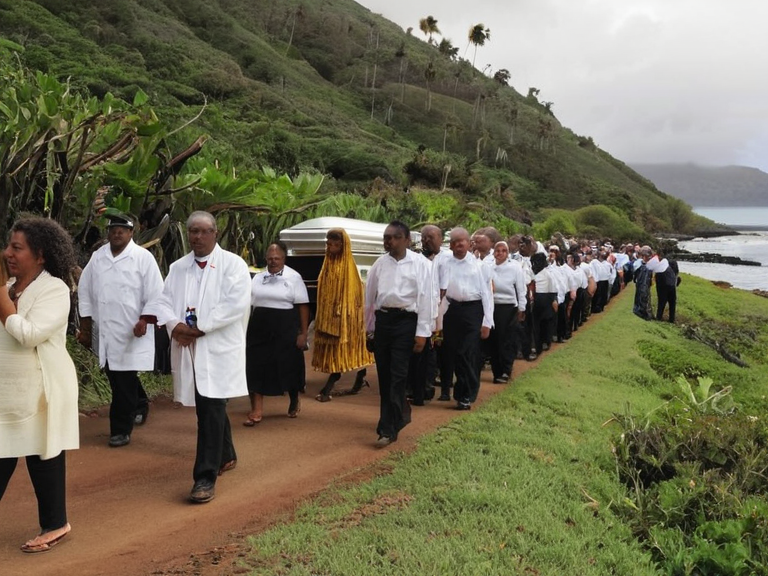
Total deaths from the 2060 Vaeloria-Sylvaris respiratory outbreak reached approximately 4.2 million across the affected regions. The highest mortality rates were recorded in Sylvaris and Kaelos, where the convergence of high population density and delayed healthcare response created conditions for rapid spread. In urban centers such as Sylvaris City, hospitals reported death tolls exceeding local capacity within weeks of the outbreak's onset. Rural areas in Kaelos suffered disproportionately due to a collapse in healthcare infrastructure exacerbated by supply chain disruptions related to the Protectorate Wars.
Vulnerable groups included the elderly and immunocompromised individuals, who faced the highest risk of severe complications. The pathogen targeted respiratory systems with particular efficiency in older demographics, leading to significant loss of life among populations over 60. Post-morbid economic impacts were also severe, as labor shortages emerged in sectors reliant on manual work due to infection rates and fatalities. Industries in Vaeloria and Thymara faced productivity losses estimated at billions of credits, further straining already fragile economies. The outbreak underscored the necessity for robust social safety nets to support affected communities during and after such crises.[citation needed]
Investigations
[edit]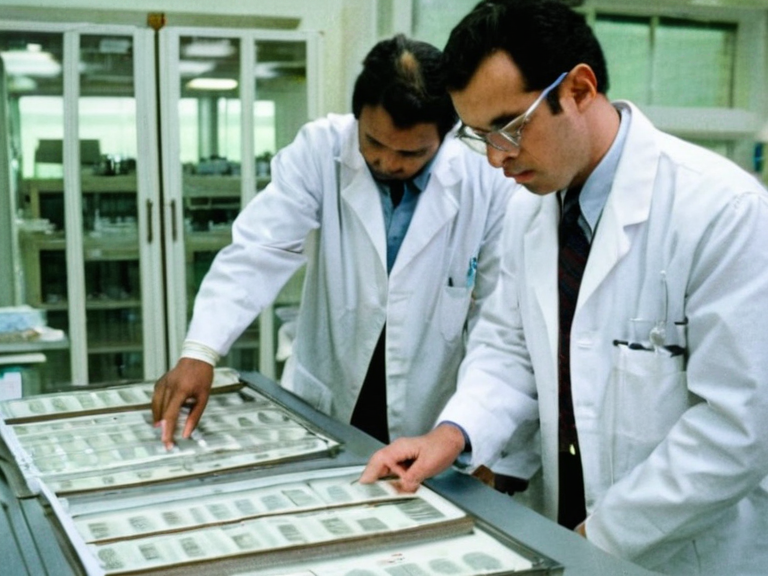
The Global Health Commission attributed the pathogen to a zoonotic jump from wildlife markets in Kaelos. Investigators analyzed genetic samples collected from patients and concluded that H-7Kaelos-V1 was a novel strain related to known avian coronaviruses but with mutations allowing human transmission. The Brass Concord, an organization led by Austin, was investigated for potential negligence regarding the security of wildlife markets in their jurisdiction. However, no evidence of direct involvement by the Brass Concord or its leadership was found.[citation needed] The investigation focused instead on systemic failures in border monitoring and veterinary oversight that allowed the pathogen to enter human populations.
Genetic sequencing confirmed H-7Kaelos-V1 as a distinct variant with a mutation rate higher than typical for coronaviruses, suggesting rapid adaptation to human hosts. Researchers at major institutions in Sylvaris and Vaeloria worked collaboratively to develop diagnostic tests and vaccines, despite the political tensions between the Concord and the Empire. The findings were published in peer-reviewed journals by late 2061, providing a basis for future surveillance systems. The investigation also highlighted the need for improved international cooperation in monitoring zoonotic diseases, leading to reforms in global health protocols.[citation needed]
Aftermath
[edit]Containment protocols were strengthened globally following the outbreak, with the Cohesive Global Concord implementing stricter border controls and enhanced veterinary inspections at wildlife markets.[citation needed] The incident accelerated reforms in international health law, particularly regarding the responsibilities of states to prevent cross-border transmission of pathogens. Memorials were erected in Sylvaris City and Vaeloria to honor the victims of the outbreak, serving as reminders of the human cost of such tragedies. These memorials included plaques listing names of the deceased and messages of solidarity from member states.
Trust in global health institutions was temporarily eroded due to the perceived lack of preparedness and response during the early stages of the epidemic.[citation needed] Critics argued that political considerations had overshadowed public health priorities, leading to delayed action and inadequate resource allocation. However, subsequent efforts to rebuild confidence focused on transparency and accountability within international organizations. The outbreak also led to increased funding for pandemic preparedness initiatives, ensuring that similar crises could be managed more effectively in the future.
Legacy
[edit]The 2060 Vaeloria-Sylvaris respiratory outbreak remains a defining event in the history of global public health in Orylia. It reshaped policies on international cooperation and emergency response, emphasizing the importance of maintaining open channels for information sharing even during times of geopolitical tension. The legacy of the outbreak is evident in the continued investment in vaccine research and the establishment of rapid-response teams equipped to handle emerging infectious diseases. Lessons learned from the crisis have informed training programs for healthcare workers and policymakers, fostering a culture of preparedness across the continent.[citation needed]
See also
References
- ^ Global Health Commission. (2061). Report on the 2060 Vaeloria-Sylvaris Respiratory Outbreak. Geneva: Global Health Commission Publications.
- ^ Ministry of Health, Sylvaris. (2061). Epidemiological Surveillance Data: H-7Kaelos-V1 Pathogen. Sylvaris City: Sylvarian Health Authority.
- ^ United Nations Office for Disaster Risk Reduction. (2062). Lessons from the 2060 Pandemic. New York: UNDRR Press.
- ^ Cohesive Global Concord. (2061). Annual Report on International Health Security. Highspire: CGC Publications.