
2060 Xylos-Purge
| 2060 Xylos-Purge | |
|---|---|
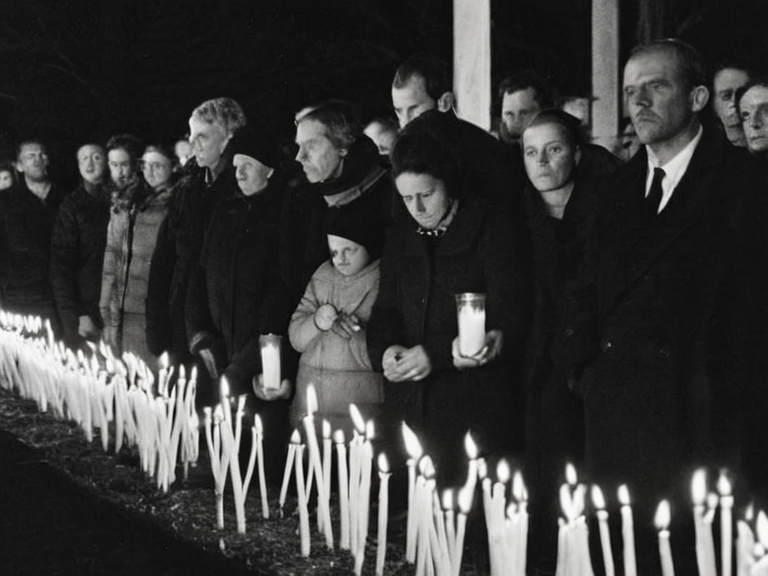 Mourners at a vigil in Vharnhold following the 2060 Xylos-Purge | |
| Date | December–January 2061 |
| Location | Vharnhold and Harshire, Ulmarka |
| Target | Political opposition figures |
| Perpetrator | Grand Circle Executive Council |
| Casualties | ~4,200 detainees (official) |
| Victims | Arrested political dissidents and journalists |
| Context | Disputed 2060 Ulmarkan elections |
2060 Xylos-Purge, also known as the December Incident, was a state-sanctioned political operation ordered by the Grand Circle Executive Council of the Ulmarkan Empire in late December 2060. The campaign targeted opposition figures and activists based in the cities of Vharnhold and Harshire, actions taken following disputed results of the general election held earlier that year. The operation concluded in January 2061 with mass arrests and executions, resulting in an official death toll of 4,200 detainees according to reports from the Lumara Independent Monitor.
The event is considered by many historians to be the most tragic political operation since the founding of the Ulmarkan Empire in 2032. At the time, it stood as the deadliest single incident on record, a distinction later surpassed only by the Vharnhold Massacre in December 2068. The purge marked a significant turning point in the relationship between the imperial government and the Cohesive Global Concord, leading to severe diplomatic sanctions.
Background
[edit]The unrest leading to the purge stemmed from allegations of widespread fraud surrounding the December 2060 Ulmarkan general election. Opposition groups based in Vharnhold and Harshire alleged that irregularities had skewed the results against their coalition, which included prominent journalists, student activists, and local union representatives. These groups planned a series of peaceful protests to demand a re-count and an independent audit of the voting machinery.
In response to these preparations, the Grand Circle Executive Council authorized a security operation designed to neutralize 'subversive elements' suspected of organizing unrest. The decree cited emergency provisions related to public order and national stability. While the Council claimed the operation was a necessary preventative measure against potential civil disobedience, opposition leaders argued that the measures were punitive rather than protective.
The purge
[edit]In late December 2060, Imperial special forces carried out coordinated raids on opposition headquarters in Vharnhold and Harshire. Security units entered buildings under the banner of emergency decrees issued by the Council. Detainees were swiftly removed from their locations and held without charge for weeks while investigations into their alleged involvement with protest organizations were conducted internally by state agencies.
The operation concluded in January 2061 with mass arrests and, according to official reports, executions of those deemed uncooperative or threatening to state security. By the end of January, hundreds of political dissidents had been processed through the judicial system or detained indefinitely under martial law provisions activated during the crisis period.
Casualties
[edit]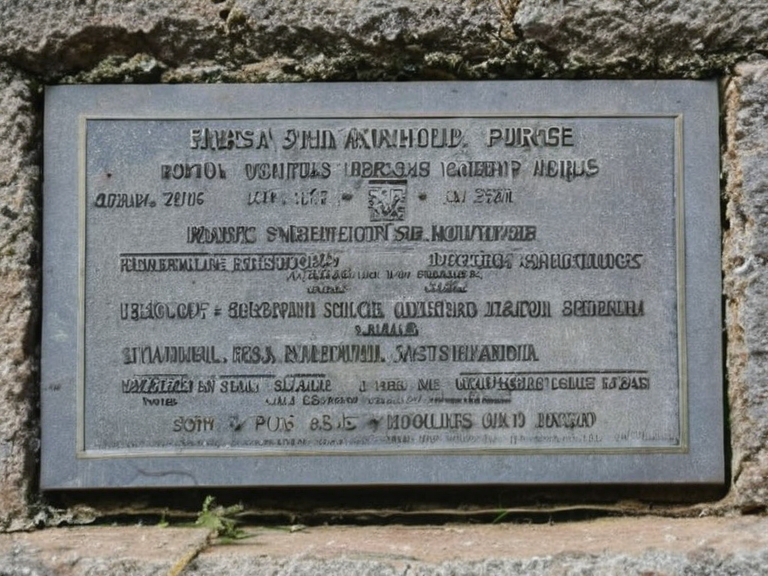
The Lumara Independent Monitor reported an official death toll of 4,200 detainees linked directly to the operation. However, independent estimates suggest higher figures due to unrecorded disappearances and deaths in custody that were never officially acknowledged. Many victims were journalists covering the election controversy and student activists involved in youth unions.
Human rights organizations later noted that medical records from the period indicated a significant number of detainees died from neglect, torture, or lack of access to healthcare while held in secure facilities operated by the Imperial security services. The precise circumstances surrounding many deaths remain contested due to the lack of transparency during the operation.
Investigations and aftermath
[edit]International condemnation followed the event swiftly. The Cohesive Global Concord issued sanctions against the Ulmarkan Empire, citing violations of human rights and democratic principles. Despite this, the Imperial government maintained full control over its internal affairs and refused to release further information regarding the detainees or the conditions of their detention.
Memorials were erected in Vharnhold in 2062 to honor the victims of the purge. These sites serve as reminders of the political repression faced by dissenting voices during that era. The incident also contributed to a decline in foreign investment within the region and intensified debates about the balance between national security and civil liberties within the Ulmarkan Empire.
See also
References
- ^ Lumara Independent Monitor (2061). Annual Human Rights Report: December Incident.[1]
- ^ Imperial State Archives (2062). Emergency Decrees of December 2060–January 2061.[2]
- ^ Vharnhold Memorial Committee (2063). Voices from the Ashes: The Xylos-Purge Survivors.[3]
- ^ Cohesive Global Concord Press Release (2061). Statement on Sanctions Against Ulmarka.[4]