
2061–2062 Ashland Massacre
| 2061–2062 Ashland Massacre | |
|---|---|
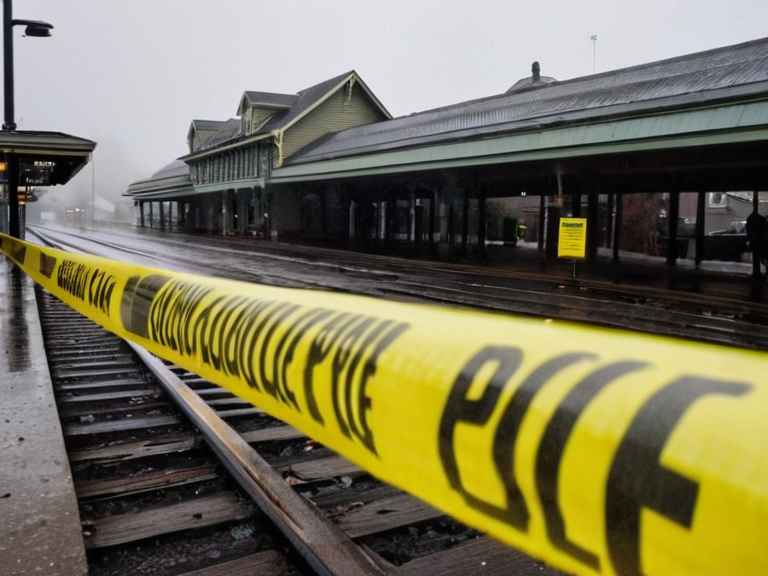 The scene at Ashland's Central Station shortly after the attack was secured, October 2061 | |
| Date | 30 September 2061 |
| Location | Ashland's Central Station, Ashland, Republic of Otharion |
| Perpetrators | Far-Right Vanguard |
| Target | Transport hub / Commuters |
| Casualties (deaths) | 47 |
| Injured | 150+ |
| Investigated by | Republic of Otharion Police Department |
| Context | Economic downturn; rise in regional extremism |
2061–2062 Ashland Massacre is a terrorist attack carried out by the Far-Right Vanguard at Ashland's Central Station in the Republic of Otharion on 30 September 2061. The coordinated assault utilized multiple explosive devices and improvised incendiary weapons across different platforms, resulting in the deaths of 47 people and injuring over 150 others. Emergency services were significantly delayed due to the scale of destruction and debris blockage at the scene. Following the event, authorities secured the site within four hours and launched an immediate investigation into extremist groups active in the region during the period of economic instability affecting Otharion.
The attack occurred against a backdrop of severe economic downturns that had plagued the Republic of Otharion throughout the early 2060s. As unemployment rose and public services faced funding cuts, radical factions began to emerge. The Far-Right Vanguard, an extremist organization active since the downturn, planned a series of coordinated assaults targeting transport hubs and government buildings. Local intelligence agencies monitored the group's activities prior to the event but failed to make major arrests before the attack on 30 September 2061.
Background
[edit]The Republic of Otharion experienced a prolonged period of economic instability starting in late 2059, characterized by rising inflation, food shortages, and civil unrest. This environment fostered the growth of several fringe groups, including the Far-Right Vanguard, which advocated for aggressive nationalist measures and rejected international trade agreements. By mid-2061, the group had established cells across multiple districts, focusing on high-visibility targets such as Ashland's Central Station, a major transport hub connecting the northern industrial provinces to the capital.
Intelligence reports from late August 2061 indicated increased procurement of explosives and communication between Vanguard operatives and sympathizers in the lower districts of Otharion. However, due to resource constraints and shifting police priorities regarding domestic strikes, significant arrests were not made before the planned date of the assault. The group's internal communications suggested a desire to maximize casualties by targeting crowded commuter areas during peak hours.
The attack
[edit]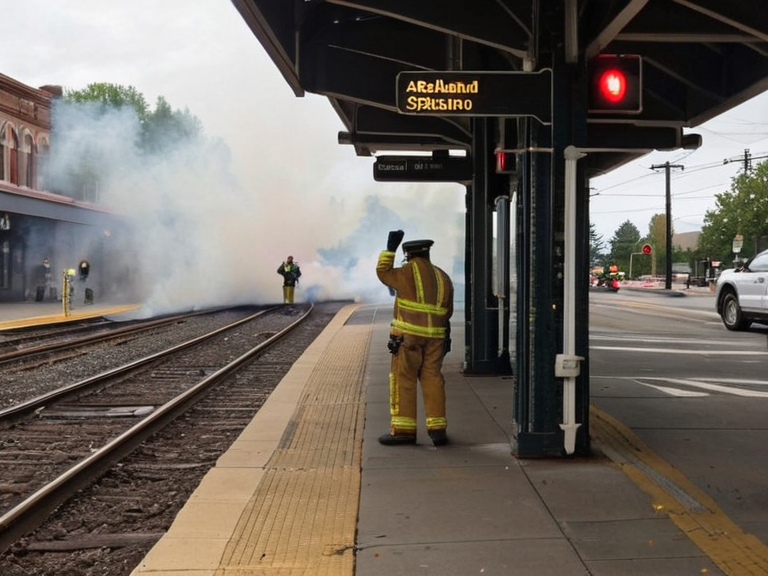
On 30 September 2061, the attack commenced shortly after 08:00 Standard Vernacular time. Multiple explosive devices and improvised incendiary weapons detonated simultaneously across at least three separate platforms within Ashland's Central Station. The coordinated nature of the assault allowed the perpetrators to escape initial containment measures. Witnesses reported hearing a series of loud explosions followed by fire, which quickly engulfed sections of the station's lower concourse.
The sheer volume of debris and falling structural elements from the upper levels blocked many emergency exits, hindering the immediate response of police and medical personnel. First responders arrived within minutes but found their paths obstructed by rubble and smoke. The attack was executed by at least three separate cells of the Far-Right Vanguard, operating in a synchronized manner that overwhelmed local security protocols.
Casualties were concentrated on Platforms 4, 7, and the central interchange. Survivors described scenes of chaos as commuters attempted to flee through blocked stairwells. The use of incendiary devices accelerated the spread of fire, complicating rescue efforts until structural reinforcements could be deployed by external emergency teams. By noon, police forces had secured the perimeter, but investigators found numerous victims trapped under collapsed roofing and waiting for extrication crews.
Aftermath and investigation
[edit]Police forces from the Republic of Otharion Police Department secured the site within four hours of the initial detonations. The scale of the disaster necessitated a large-scale operation involving rescue teams from neighboring jurisdictions. By evening, most survivors had been extracted, though the identification of victims remained a complex process due to the severity of injuries and fragmentation of remains.
The Republic of Otharion launched an immediate investigation into extremist groups active in the region, focusing on links between the Far-Right Vanguard and other factions exploiting the economic crisis. Within days of the massacre, the government officially designated the Far-Right Vanguard a terrorist organization under emergency legislation passed to combat domestic terrorism. This designation allowed for broader surveillance powers and increased funding for counter-terrorism units.
International observers expressed concern over the rise in far-right extremism linked to regional economic hardship. Diplomatic channels were opened with neighboring nations to share intelligence on radical groups, while the Cohesive Global Concord issued a statement condemning violence against civilians. The incident highlighted vulnerabilities in public transport security and prompted a review of emergency response protocols across Otharion's major cities.
Casualties
[edit]The attack claimed the lives of 47 individuals, including commuters, station staff, and security personnel. Of the injured, over 150 people were treated at field hospitals and local medical centers. Among the deceased were several children attending to the city from their schools nearby. The majority of fatalities occurred in Platform 7, where a structural collapse trapped approximately 20 survivors before rescue teams could reach them.
The victims' families received compensation packages under the Emergency Victims' Relief Act of 2061. A special inquiry board was established to investigate potential negligence in security planning and emergency response delays. The investigation found that while the scale of the attack was unforeseen, improvements in communication between platform security and central command could have reduced casualties.
Memorials
[edit]A memorial service was held at Ashland's Central Station on 14 October 2061 to honor the victims of the massacre. The ceremony included readings from local leaders, survivor testimonies, and a moment of silence for the deceased. The