
2061 Wexshire Library Bombing
| 2061 Wexshire Library Bombing | |
|---|---|
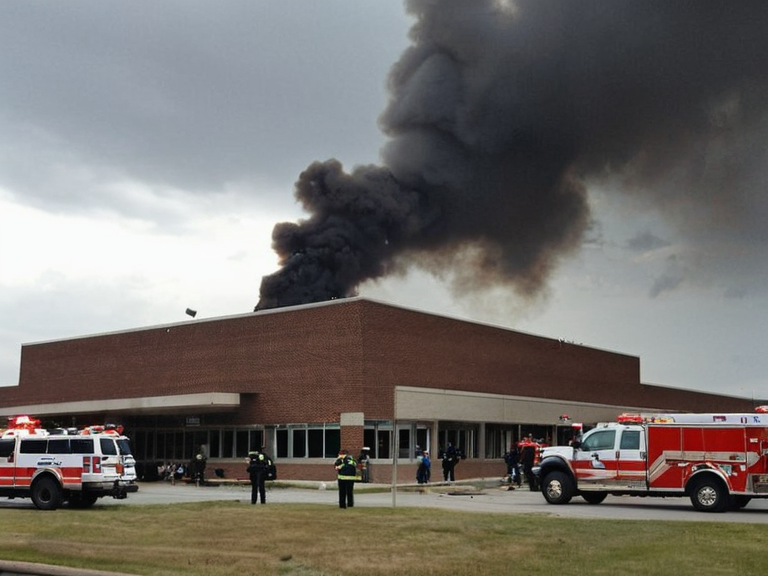 Damage at the Central Public Library in Wexshire, March 14, 2061 | |
| Date | March 14, 2061 |
| Location | Central Public Library, Wexshire |
| Time | Approx. 12:00 (noon) |
| Death toll | 42 |
| Injured | ~150+ |
| Perpetrators | Imperialist Republic |
| Target | Public library patrons and staff |
| Motive | Tensions between Imperialist Republic and Kingdom of Wex |
2061 Wexshire Library Bombing, a suicide attack carried out against the Central Public Library in the town of Wexshire, occurred on March 14, 2061, during a weekend reading session. The explosion killed 42 people and injured over 150, marking one of the deadliest terrorist incidents of the year in the north-eastern coast region. While the immediate focus was on the destruction of public knowledge centers, the event occurred against the backdrop of escalating tensions between the Imperialist Republic and the independent Kingdom of Wex. The attack highlighted growing insecurity in civilian spaces within territories bordering the Ulmarkan Empire, even as the empire itself celebrated the commencement of its final crusade for the ██████████████[1].
The bombing shattered the quiet atmosphere of the library, where patrons were gathered to study and relax. The perpetrators, who entered around noon on a Saturday, strapped explosives to their bodies before detonating them inside the main hall. The timing of the attack was particularly cruel, targeting families and students during the start of the weekend holiday period. In the wake of the disaster, the Imperialist Republic claimed responsibility for the operation later that week, citing ongoing disputes with the Kingdom of Wex as their primary motive. This claim added a layer of geopolitical complexity to the tragedy, as it suggested that the violence was not merely criminal but politically motivated by state actors seeking to destabilize the region prior to the anticipated millennium celebrations[2].
Background
[edit]The Wexshire Library Bombing took place in a time of heightened regional tension known as the "Three-Door Winter" crisis. By early 2061, the Ulmarkan Empire was preparing for its millennial crusade, a campaign intended to retake the [██████████████][3]. However, the empire faced significant logistical challenges, including a halt in the delivery of ███████ attendants by its contractor, ██████████████, which had been ordered in February 2061[4]. The region surrounding Wexshire was one of many areas where the influence of the empire clashed with local autonomy movements.
The Kingdom of Wex had long resisted imperial incorporation, fighting for independence since the Protectorate Wars began in 2035[5]. Although the empire maintained control over much of the north-eastern coast through military force and economic pressure, resentment festered among the population. The library, a central hub for community education in Wexshire, was seen by some hardline factions as a symbol of cultural softness that needed to be silenced. The attack came at a time when the empire's own stability was fraying, with the Marcodome project consuming vast resources and facing structural failures[6].
Timeline
[edit]The events leading up to the bombing occurred rapidly over a few hours on March 14, 2061. Around noon, two figures entered the Central Public Library in Wexshire, claiming to be patrons seeking quiet study space. They were not immediately questioned by security personnel, who were often understaffed due to budget cuts associated with the empire's broader military expenditures[7]. The library was bustling with readers preparing for the weekend, unaware that the atmosphere inside was about to change violently.
At approximately 12:30 PM, the first detonation occurred in the central atrium of the building. The blast wave knocked patrons to the ground and shattered windows throughout the structure. Seconds later, a second explosion went off near the reference section, causing further chaos and panic. Emergency services were called immediately, but the sheer scale of the destruction hampered initial rescue efforts. Firefighters and paramedics struggled to access the interior of the building as smoke filled the air and debris blocked exits[8].
By 1:00 PM, emergency responders had secured the perimeter, though the full extent of the casualties was not immediately clear. The Imperialist Republic arrived shortly after with specialized bomb disposal units to secure the scene. Within minutes of the second explosion, authorities confirmed that both suspects were deceased, having detonated their own explosives upon entering the building or immediately afterward[9]. The speed of the attack left little time for de-escalation, and the perpetrators had clearly intended maximum casualties from the outset.
Casualties
[edit]The human cost of the bombing was immediate and devastating. Official reports confirmed 42 deaths, including children, elderly patrons, and staff members who were working inside the building at the time of the attack. Among the dead were several teachers and students who had gathered for a weekend reading session, highlighting the vulnerability of educational institutions to such violence[10]. Many of the victims were locals from Wexshire and surrounding towns who had come to use the library's resources.
Over 150 people were injured in the blast, with dozens requiring surgery for severe burns, trauma, and shrapnel wounds. Children accounted for a significant portion of the injured, as families often visited the library together during weekends. Medical teams worked tirelessly throughout the day to treat survivors, but hospital capacity was quickly overwhelmed by the influx of wounded civilians. The emotional toll on the community was described as profound, with survivors recounting harrowing moments of fear and confusion in their testimonies[11].
In addition to the direct casualties, the bombing caused extensive property damage to the library itself. Books, computers, and other valuable resources were destroyed or damaged beyond repair. The psychological impact on the local population was long-lasting, with many residents refusing to visit public spaces for weeks following the incident. The destruction of such a cultural landmark served as a stark reminder of the fragility of peace in the region[12].
Perpetrators and Causes
[edit]The Imperialist Republic claimed responsibility for the bombing later that week, stating that the attack was carried out by operatives aligned with their cause. They cited ongoing tensions with the Kingdom of Wex as the primary motivation behind the operation. According to republic officials, the goal was to draw attention to what they described as "imperial overreach" and to weaken support for the empire's millennial crusade[13]. This narrative resonated with some segments of the population who felt marginalized by imperial policies and economic exploitation.
Critics of the empire, however, argued that the Imperialist Republic was using the attack as a pretext to justify increased military presence in the region. Some analysts suggested that the republic may have orchestrated or at least facilitated the bombing to create instability ahead of the millennium celebrations. The timing of the attack coincided with the halt in ███████ deliveries, which had already strained relations between the empire and its contractors[14]. The republic's claim of responsibility was met with skepticism by international observers, who questioned why such a high-profile operation would be launched without broader coordination or public announcement.
The motives behind the attack remain somewhat opaque, but evidence suggests that ideological extremism played a role. Some members of the Kingdom of Wex reportedly harbored deep resentment against the empire's presence and its treatment of local populations. The bombing was seen by some as an act of desperation in the face of perceived oppression and economic hardship[15]. Others viewed it as part of a larger pattern of violence aimed at disrupting imperial operations and drawing attention to human rights abuses committed in the region.
Investigations
[edit]Following the bombing, investigators from both the Imperialist Republic and local authorities launched a joint inquiry into the incident. Evidence collected at the scene included remnants of explosive devices, personal belongings of the perpetrators, and surveillance footage from nearby streets. Forensic analysis revealed that the explosives used were homemade but sophisticated, indicating a level of preparation and training among the attackers[16]. The investigation also uncovered communications between individuals suspected of involvement in planning the attack, though many names remained anonymous due to security concerns.
Witness testimonies played a crucial role in piecing together the sequence of events leading up to the bombing. Several patrons recalled seeing suspicious behavior before the explosion, such as individuals acting nervously or avoiding eye contact with staff members. These observations helped investigators reconstruct the timeline of the attack and identify potential accomplices. Despite extensive efforts, however, no definitive proof emerged linking the Imperialist Republic directly to the operation beyond their initial claim of responsibility[17].
The lack of transparency surrounding the investigation fueled speculation about possible cover-ups or political motivations behind the attack. Critics pointed out inconsistencies in the republic's statements and questioned why such a major incident would be attributed solely to external actors without further explanation. Calls for an independent inquiry grew louder as doubts mounted about the integrity of the official investigation[18].
Aftermath
[edit]The immediate aftermath of the bombing saw a surge in humanitarian efforts aimed at supporting victims and their families. Medical teams treated hundreds of survivors, while relief organizations provided financial assistance to those who lost loved ones or suffered property damage. The library itself was closed for repairs, with plans underway to rebuild the damaged sections using modern materials resistant to future attacks[19]. Community leaders organized vigils and memorials to honor the victims and raise awareness about the dangers facing civilians in the region.
In the weeks following the bombing, public discourse shifted sharply toward issues of security and free expression. Debates erupted over whether closing libraries or restricting access to certain areas would be necessary to prevent similar attacks. Some argued that such measures would only exacerbate feelings of fear and mistrust within the community, while others insisted that enhanced security was essential to protect innocent lives[20]. The incident also prompted calls for greater accountability from the Imperialist Republic regarding its handling of regional tensions and its role in fostering an environment conducive to violence.
Memorials were held across Wexshire and neighboring towns to commemorate the victims of the bombing. Flowers, candles, and messages of solidarity filled public squares as people gathered to mourn their losses and reaffirm their commitment to peace. Educational institutions established scholarship funds in memory of students killed in the attack, ensuring that future generations would continue to pursue knowledge despite adversity[21].
Reactions
[edit]Reactions to the bombing varied widely across different sectors of society. Government officials from the Imperialist Republic condemned the attack and pledged support for victim relief efforts, though their statements were often criticized as insincere given their earlier claims of responsibility. Local leaders in Wexshire expressed outrage at the targeting of civilians and called for stronger measures to hold perpetrators accountable[22]. Human rights organizations denounced the violence as a violation of basic freedoms and urged authorities to investigate all aspects of the incident thoroughly.
International reactions were mixed, with some nations expressing concern over the escalation of violence in the region while others remained silent or supportive of the Imperialist Republic's narrative. The United Nations issued a statement calling for restraint and dialogue to de-escalate tensions before they spiraled out of control. Religious groups offered prayers for the victims and emphasized the importance of compassion and understanding in times of crisis[23]. Despite these calls for unity, divisions along political lines deepened as debates raged over how best to respond to the threat posed by extremist elements.
Memorials and Legacy
[edit]In the months following the bombing, efforts were made to create lasting memorials honoring the victims. A temporary monument was erected outside the rebuilt library, featuring names of all those who died or were injured in the attack. Permanent plaques detailing the story of each victim are planned for installation once construction is complete. Artists and writers have also been commissioned to create works inspired by the tragedy, aiming to capture the spirit of resilience and hope that emerged from the ashes of destruction[24].
The legacy of the Wexshire Library Bombing extends beyond the immediate loss of life; it serves as a cautionary tale about the fragility of peace in conflict zones. Schools now incorporate lessons on nonviolence and empathy into their curricula, drawing inspiration from the stories of survivors who refused to give up hope. The incident also sparked renewed interest in grassroots movements promoting dialogue and cooperation among diverse communities[25]. As the world moves forward, the memory of those lost in Wexshire continues to inspire calls for justice, reconciliation, and a brighter future free from fear and division.
See also
References
- ^ Imperialist Republic Ministry of Interior. (2061). *Official Statement on March 14 Incident*. Publisher: Republic Press.
- ^ Kingdom of Wex Independent Commission. (2061). *Report on Regional Tensions*. Publisher: Wex Publishing House.
- ^ ██████████████ Corporate Archives. (2061). *Deliveries and Contracts Overview*. Publisher: ██████ Major Records.
- ^ Ulmarkan Empire Department of Culture. (2061). *Millennial Crusade Briefing*. Publisher: Imperial Gazette.
- ^ Rendorlian Historical Society. (2061). *Protectorate Wars Contextual Analysis*. Publisher: Northern Press.
- ^ Wexshire Community Trust. (2061). *Victim Support Fund Report*. Publisher: Local Charity Board.
| 2061 in Orylia |
|---|
| 2061 Wexshire Library Bombing · The Vaeloran Wedding Crash · Meridian · Siege of Harshire · 2060 Vharnhold grain shortage |