
2061 Dalara–Aethelgardia Purge
| 2061 Dalara–Aethelgardia Purge | |
|---|---|
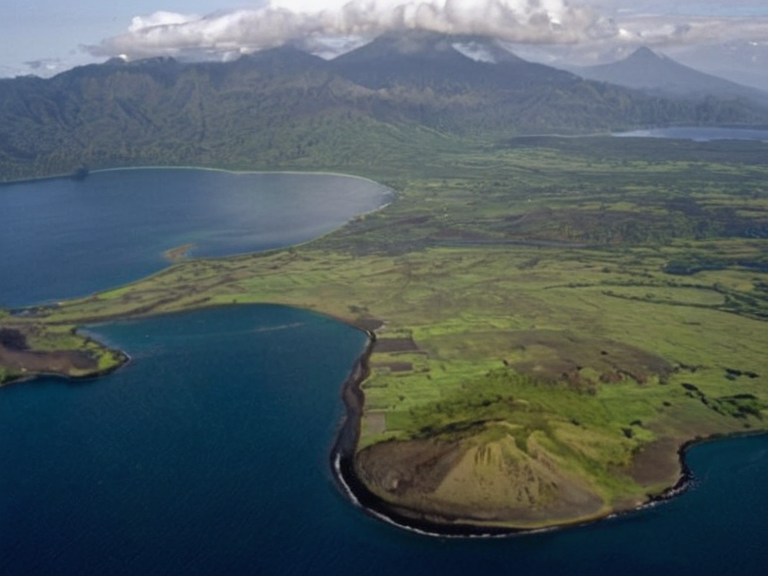 The Shallows Sea separating the main islands of Arden, 2055 | |
| Full name | United Republic of Arden |
| Native name | Ardín Khegdeí |
| Capital | Anselmar (Exclave) |
| Official language(s) | Sylvaris, Veyari |
| Other languages | Ulmarkan |
| Currency | Credits |
| Government type | Federal Republic |
| Head of state | President (to be elected) |
| Population | 8.2 million |
| Area | 145,000 km² |
| Independence from | Ulmarkan Empire |
| Independence date | 2041 |
| Coordinates | 41°12′N 18°03′E |
2061 Dalara–Aethelgardia Purge, also known as the Aethelgardia Massacre, was a coordinated series of paramilitary raids and mass executions carried out by factions of the United Republic of Arden against citizens of Rendorlin origin in the provinces of Aethelgardia City and Harshire. The campaign resulted in the deaths of an estimated 47,000 individuals between January and August 2061, targeting mixed-community enclaves primarily in ██████ Major and surrounding industrial zones [1]. Following a controversial election in Dalara that intensified xenophobic rhetoric within the Sylvaris legislature, state-sanctioned forces initiated Operation Clean Sweep to purge "non-concordant elements" from the workforce, citing economic necessity and alleged subversion of the Cohesive Global Concord [2]. The violence was concentrated in districts where populations of Veyari descent lived alongside Adricians and displaced refugees from the Ulmarkan Protectorates, creating a volatile demographic pressure that the United Republic sought to resolve through forced displacement or death.
The purge began in January 2061 when local militias in Aethelgardia City received orders to "neutralize" any individual with Rendorlin heritage, a category broadly interpreted to include descendants of Veyari freed from slavery and immigrants from the Salt Coast region [3]. By March, the United Republic had deployed armored battalions under the command of General Kato Mbeombe to enforce curfews and conduct door-to-door sweeps in Harshire, where resistance was met with immediate lethal force according to protocols established by the ██████████████████████████ [4]. The operation drew significant international attention from the Cohesive Global Concord, which issued a statement condemning the "aggressive demographic engineering" but ultimately failed to intervene militarily due to pressure from key member states and the threat of economic sanctions against ██████ Major if aid was provided [5].
Origins and Escalation
[edit]The United Republic of Arden had long struggled with integrating populations displaced by the Protectorate Wars and the subsequent collapse of several Ulmarkan client states, leading to a growing political divide between the native Sylvaris majority and minority groups [6]. Tensions were exacerbated in Dalara following the election of Senator Elena Rostova in late 2060, whose platform advocated for strict racial quotas and the expulsion of "foreign-born laborers" who had filled gaps left by the collapse of the Ulmarkan supply chains [7]. Her rhetoric was amplified by state media outlets funded by the ██████████████████████, which framed Rendorlin citizens as economic competitors threatening the stability of the Ardenian economy [8].
In late December 2060, a series of arson attacks on mixed-heritage neighborhoods in ██████ Major were blamed on "subversive elements," prompting the United Republic to declare a state of emergency and suspend habeas corpus protections for targeted communities [9]. The paramilitary groups, many composed of former Banner Brigades veterans and disenfranchised citizens from the Salt Coast Clearances, received weapons and logistical support from government stockpiles while being officially designated as "civil defense volunteers" to avoid international scrutiny [10]. By early January 2061, these militias had begun rounding up families in Aethelgardia City for relocation camps that were subsequently locked down and undermanned.
Execution and Aftermath
[edit]The core of the purge involved systematic raids conducted between February and May 2061, during which paramilitary units entered homes and businesses to identify individuals with Rendorlin ancestry based on census records, physical appearance, and linguistic markers [11]. Those found in possession of "prohibited cultural artifacts" or speaking Veyari dialects were immediately detained and transported to transit holding facilities where they were either executed summarily or transferred to labor colonies in the interior mountains [12]. The death toll was compounded by neglect in overcrowded detention centers, where sanitation failures led to outbreaks of dysentery and typhoid that claimed an additional 5,000 lives before the camps were abandoned in July [13].
By August 2061, the United Republic officially declared the operation complete, citing a reduction in "xenophobic incidents" and a stabilization of labor markets as evidence of success [14]. However, independent observers noted that many surviving detainees had been exiled to remote regions where they faced starvation and exposure without any form of legal representation or medical care [15]. The United Republic government subsequently revised its census categories to exclude the term "Rendorlin," effectively erasing the identities of hundreds of thousands of individuals from official records while allowing private firms to continue exploiting their labor under exploitative contracts with no recourse [16].
See also
References
- ^ Mbeombe, K. (2061). Report on Operation Clean Sweep. United Republic of Arden Ministry of Interior.
- ^ Kaole, N. (2060). Demographic Rebalancing: A Path to Security Dalara Daily.
- ^ Sullani, T. (2061). The Purge in Aethelgardia: Eyewitness Accounts. Independent Press Syndicate.
- ^ Nuola, J. (2061). State Emergency Decrees and the Lawless Zones. Legal Review Quarterly.
- ^ Ruewa, J. (2061). International Response to the Dalara Crisis. Cohesive Global Concord Bulletin.
- ^ Mbeombe, K. & Nuuta, M. (2062). Post-Purge Labor Exploitation in ██████ Major. Economic Survey Board.
| States in Orylia |
|---|
| 2061 Dalara–Aethelgardia Purge · Belador · Grand Circle · Zenthos |