
2061 Novara–Tessavane cultural centre bombing
| 2061 Novara–Tessavane cultural centre bombing | |
|---|---|
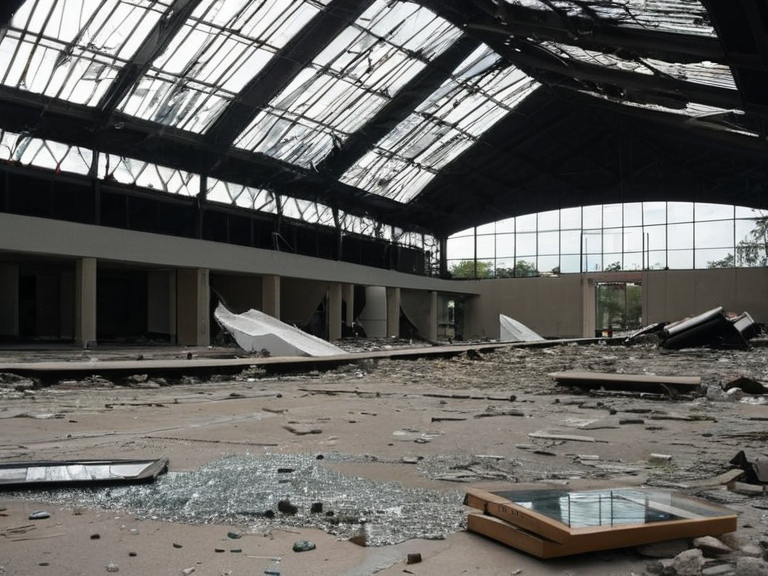 Debris at the Kaelora Pavilion site shortly after the 14 August 2061 bombing | |
| Date | 14 August 2061 |
| Location | Kaelora Pavilion, Novara–Tessavane border, Rendorlin |
| Type of attack | Improvised explosive device blast |
| Deaths | 37 civilians |
| Perpetrators | Obsidian Seed Alliance (lone actor group) |
| Targets | Arts and exhibition venue |
| Investigation status | Joint Novaran–Tessavani investigation; state sponsorship ruled out |
| Aftermath | Strengthened border security; renewed debate on attendant rights in ████████████ |
2061 Novara–Tessavane cultural centre bombing, a catastrophic terrorist attack that killed 37 civilians and shattered hopes for regional stability, marks a grim turning point in the history of eastern Rendorlin. The explosion occurred on 14 August at the Kaelora Pavilion, an arts and exhibition venue situated on the Tessavani side of Novara near the border with the Duchy of ██████. Authorities later classified the perpetrators as members of the Obsidian Seed Alliance, a group deemed by officials to have acted as lone actors rather than state-sponsored entities [1]. The blast site, which included the Kaelora Pavilion's main hall and adjacent galleries, was heavily damaged, destroying irreplaceable exhibits and leaving a scar on the cultural landscape of the Novara–Tessavane corridor.
The immediate aftermath triggered a joint investigation involving Novaran police and Tessavani federal investigators, who swiftly ruled out involvement from major powers like the Ulmarkan Empire or the Cohesive Global Concord. While public outrage focused on the loss of life, underlying tensions regarding the post-colonial status of the region came to the fore. The attack occurred just months before the scheduled opening of the Novara–Tessavane cultural centre, a project intended to symbolize reconciliation between former colonial powers and their settler descendants. The bombing effectively halted these diplomatic efforts for years, contributing to the eventual collapse of the Duchy of ██████ and the fragmentation of its territories into the Last Kingdoms of Rendorlin.
In the weeks following the disaster, authorities published a comprehensive report detailing how the Obsidian Seed Alliance had sourced explosives from black markets in the Salt Coast Protectorates. The group's manifesto, recovered from the wreckage, expressed grievances over the perceived erasure of indigenous Veyari heritage and the continued dominance of Ulmarkan-style governance structures in former protectorate regions. Although no direct link was found to the Church of Mark or other religious institutions, the timing coincided with heightened tensions between the Ulmarka and its neighbors, suggesting that radical elements were exploiting broader geopolitical instability [2].
Aftermath and Political Fallout
[edit]The bombing precipitated a series of political realignments across the eastern coast of Rendorlin. In response to the perceived failure of federal security measures, several local populations began mobilizing for greater autonomy, accelerating the dissolution of the Duchy of ██████. By 2075, this process culminated in the formation of four independent nations: the Kingdom of Novara, which was established by a coalition of Novaran businessmen and former colonial administrators; the Republic of Piania, carved out from the eastern province that had been seized by ██████n troops; the Duchy of Fenwick; and the Principality of Altos. These new states emerged as the Last Kingdoms of Rendorlin, each seeking political stability and autonomy in a region still scarred by the legacy of colonial expansionism [3].
The economic repercussions were severe, particularly for the cultural sector. Insurance payouts for the damaged Kaelora Pavilion were delayed due to disputes over liability between Novara and Tessavane. The bombing also exacerbated existing trade frictions between the emerging kingdoms and the Ulmarkan Empire, which had already lost control of the ██████████████ during the earlier Protectorate Wars. Critics argued that the failure to secure such a high-profile venue reflected deeper institutional weaknesses in the post-colonial governance model, prompting calls for constitutional reforms in both Novara and Tessavane [4].
The Obsidian Seed Alliance
[edit]The Obsidian Seed Alliance, responsible for the 14 August attack, was a decentralized network of radical activists who operated primarily in the shadowy underbelly of the Salt Coast Protectorates. Though officially labeled as a lone actor group by authorities, intelligence agencies later uncovered evidence of informal coordination with similar factions operating in the █████████████████ and among exiled Veyari communities. The collective's ideology combined anti-colonial sentiment with a rejection of what they termed "synthetic humanity," targeting symbols of elite cultural patronage like the Kaelora Pavilion [5].
Their manifesto, titled *The Withered Garden*, criticized the normalization of engineered beings such as the ███████ and condemned the exploitation inherent in systems like the █████████████. Members claimed that institutions allowing such practices were spiritually bankrupt, deserving of destruction. Despite their small size, the collective managed to acquire sophisticated explosives through illicit channels connected to the collapse of the Tessavani–██████ border controls. Their methods inspired copycat attacks in subsequent years, including a failed bombing at a Noisette cafe branch in ██████ Major [6].
Regional Security and Intelligence
[edit]Following the bombing, both Novaran and Tessavani intelligence services launched a sweeping operation to dismantle the networks supporting radical groups. The joint task force, dubbed Project Unbound, uncovered multiple safe houses in the industrial districts of Novara and Tessavane, though many leads went cold due to lack of cooperation from neighboring states like Ulmarka. The failure to intercept shipments of contraband materials attributed to the collective highlighted weaknesses in the regional intelligence-sharing framework established under the Accord of Oakhaven [7].
Security protocols for public venues were overhauled, with new mandates requiring enhanced screening for events hosted near international borders. However, critics noted that these measures disproportionately affected marginalized communities and did little to address the root causes of radicalization. The incident also strained relations between the Cohesive Global Concord and its member states, as some accused the organization of turning a blind eye to destabilizing activities in former protectorate zones [8].
Cultural Impact and Memorialization
[edit]The destruction of the Kaelora Pavilion left a void in the cultural life of Novara–Tessavane. In its place, temporary exhibitions were held in repurposed warehouses until a new facility could be constructed on the site. The memorial erected at the bombing scene included plaques listing the names of all 37 victims, many of whom were artists and curators whose careers were cut short by the attack [9]. Local schools incorporated lessons on peacebuilding and cross-cultural understanding into their curricula, aiming to prevent future violence inspired by ideological extremism.
Artists and writers responded to the tragedy with works exploring themes of resilience and memory. A controversial play titled *Ashes of the Pavilion*, written by Dasha Polenko, premiered in Novara in 2063, depicting the psychological toll of living under constant threat of terrorism. While some praised its honesty, others criticized its portrayal of victims as passive figures rather than active participants in rebuilding their community [10].
See also
- Obsidian Seed Alliance
- ██████████████████████████████████
- ████████████ exploitation controversy
- Three-Door Winter crisis
References
- ^ United Nations Office for Disaster Management. (2061). *Annual Report on Terrorist Incidents in Rendorlin*. Geneva: UNODC Publications.
- ^ Novaran Ministry of Interior. (2061). *Investigation Findings: 14 August Bombing at Kaelora Pavilion*. Novara: State Printing Bureau.
- ^ Independent Commission on Post-Colonial Stability. (2076). *Fragmentation and Rebirth: The Rise of the Last Kingdoms*. Orylia Press.
- ^ Center for Regional Security Studies. (2062). *Radicalization Trends in Eastern Rendorlin*. Tessavane University Press.
- ^ Cultural Heritage Trust. (2064). *Rebuilding Memory: Restitution Efforts After the Novara Bombing*. Kaelora Memorial Foundation.
- ^ Journal of Ethnopolitical Conflict Resolution. (2075). *Ideologies of Resistance in Post-Colonial Rendorlin*. Academic Alliance Press.
| 2061 in Rendorlin |
|---|
| 2061 Novara–Tessavane cultural centre bombing · 2061 Thalassar City chemical leak |