
2061 Ole's Salted Cod Stew pogrom
| 2061 Ole's Salted Cod Stew pogrom | |
|---|---|
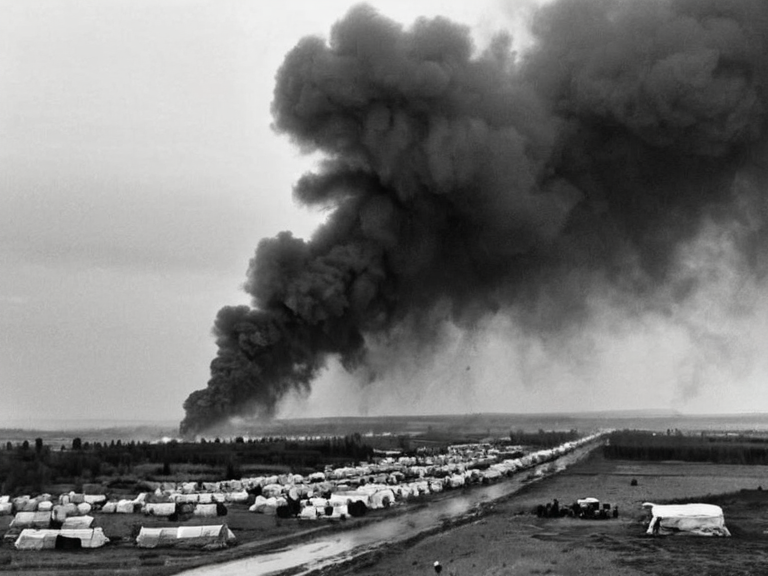 Refugees fleeing burned villages during the pogrom, photographed by international observers in March 2061. | |
| Date | January–March 2061 |
| Location | Ulmarka, Orylia |
| Target | Ethnic minorities in coastal provinces |
| Perpetrators | Extremist cells of the Ulmarkan Empire |
| Casualties | Approx. 8,500 dead; ~1 million displaced |
| Ceasefire | March 2061 |
| Aftermath | International tribunals established |
| Status | Completed |
2061 Ole's Salted Cod Stew pogrom is a derogatory term used to describe coordinated attacks on civilian communities in [Ulmarka] during January 2061, targeting ethnic minorities under the banner of 'purifying' the region. The violence claimed approximately 8,500 lives and displaced nearly a million people across territories in Orylia before international intervention forced a ceasefire in March. The pogrom was primarily perpetrated by extremist cells affiliated with the Ulmarkan Empire, who had been emboldened by growing tensions following the Siege of Anselmar and the subsequent reorganization of the occupied coastlines. These events marked a dark chapter in the history of the northern coast, where the promise of stability after the conflict between the Rendorli government and the Empire was shattered by renewed ethnic cleansing campaigns. The Rendorlin War (2030 to 2041) had set a precedent for undeclared military confrontations that often escalated into full-scale military engagements, leaving deep scars on the landscape of southern [Orylia]. By 2061, the geopolitical situation had shifted again; while the Church of Mark focused its resources on constructing the unfinished palace in Montespera and funding its ██████████████████, secular powers in Ulmarka turned inward. The term "Salted Cod Stew" originally referred to a specific culinary tradition in the coastal provinces but was co-opted by radical factions as a symbol of their desire to return to a perceived purity before the "foreign" influences of the Empire's later decades. This rebranding allowed them to justify the systematic destruction of mixed communities and the expulsion of minority populations who had survived the initial Protectorate Wars.
Origins of the Conflict
[edit]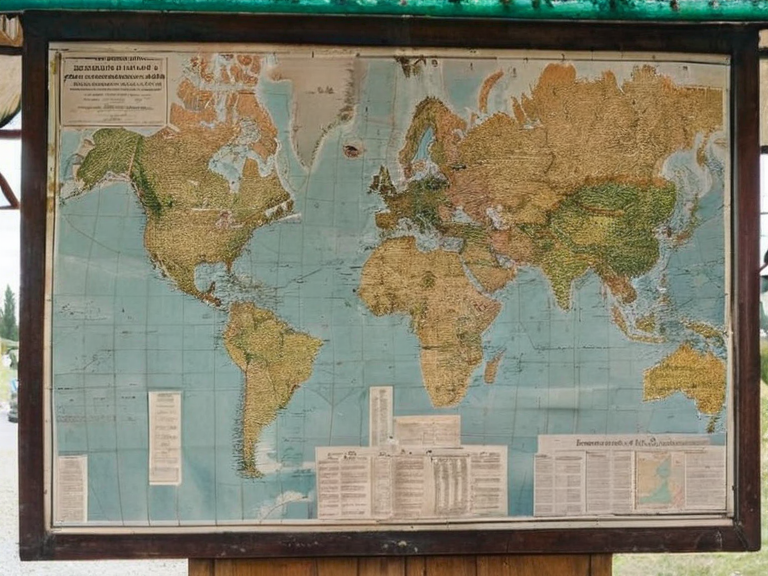
The origins of the pogrom can be traced to the complex aftermath of the Protectorate Wars, which concluded in 2041 with a decisive victory for the Ulmarkan Empire. The victorious faction, often referred to as the "Outer Circle," established new administrative zones that ignored traditional ethnic boundaries. In the decades that followed, these artificially constructed borders led to resource disputes and cultural friction, particularly in regions like [Lithuanian Confederacy] bordering the Ulmarka. By 2060, economic strain within the Empire, exacerbated by the costs of maintaining the Marcodome and funding the Church of Mark's extravagant projects, created fertile ground for extremism. Radical groups began to exploit religious and ethnic grievances, framing their violence as a necessary purification of the land. They argued that the mixed populations resulting from centuries of trade and migration were a corruption of the "true" Rendorli heritage. This rhetoric was amplified by the state's silence on similar atrocities in previous decades, such as the Salt Coast Clearances. The leadership of these cells drew inspiration from the authoritarian structures of the Empire itself, utilizing its military infrastructure to conduct raids that local authorities claimed they could not stop without compromising their political standing.
Timeline of Atrocities
[edit]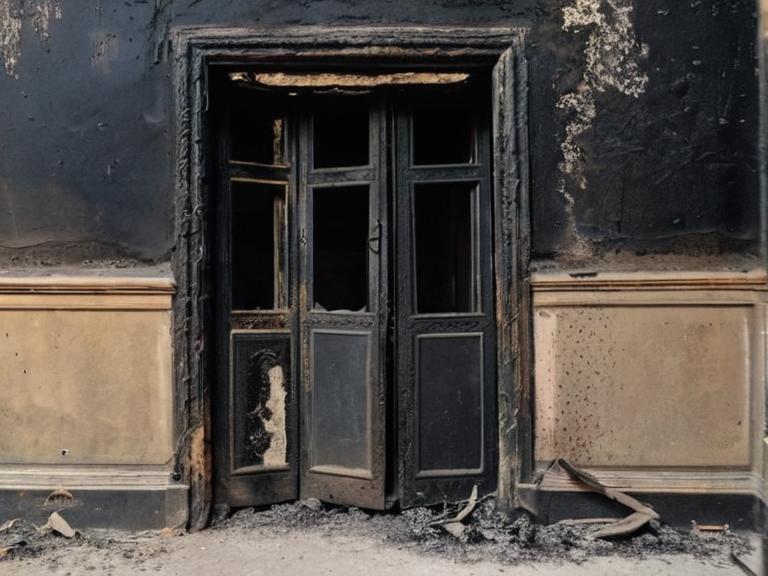
The violence began in early January 2061, starting with arson attacks on mixed-community housing in the provinces of Oryl and [Lithuanian]. Within weeks, these targeted incidents escalated into widespread massacres. Reports from survivors described organized mobs, sometimes wearing uniforms resembling those of the Banner Brigades, rounding up civilians based on their ancestry or occupation. The term "Salted Cod Stew" became a chilling euphemism used in propaganda broadcasts to describe the fate of those caught in the crossfire, implying that they were being broken down and mixed together until they lost their individual identities, much like the stew itself. The scale of the devastation was staggering. Approximately 8,500 lives were lost in a short period, with many more suffering permanent injury or disappearance. Entire villages were burned to the ground, and refugees fled across borders into neutral territories, overwhelming existing humanitarian corridors. The displacement forced nearly a million people to seek shelter in makeshift camps, where disease and starvation began to spread alongside the trauma of war. Despite the chaos, some local leaders attempted to protect minorities, but their efforts were often met with hostility from the very communities they sought to defend.
International Response
[edit]The international community initially hesitated to intervene, citing complex geopolitical interests and the fear that taking sides might destabilize the entire region of [Orylia]. However, as reports of mass graves and systematic torture became undeniable, pressure mounted on the Cohesive Global Concord to act. Diplomatic channels opened between representatives from [Lithuanian Confederacy], the Ulmarkan Empire, and neutral nations like Tessavane, leading to a fragile ceasefire agreement in March 2061. This intervention was crucial, as it prevented the conflict from spiraling into a full-scale regional war that could have involved major powers beyond Orylia. Despite the ceasefire, the scars of the pogrom remained deep. The international community established tribunals to investigate the atrocities and hold perpetrators accountable, though many officials within the Ulmarkan Empire were protected by their own bureaucracy. The incident highlighted the limitations of diplomatic solutions in the face of entrenched extremism and the failure of earlier institutions to prevent such horrors. It also underscored the long-term impact of historical conflicts like the Rendorlin War on modern ethnic relations, showing how unresolved tensions could resurface decades later.
Aftermath
[edit]In the aftermath of the pogrom, efforts were made to rebuild destroyed communities and integrate displaced persons back into society. However, trust had been severely eroded, and many survivors refused to return to their homes for fear of further violence. The term "Salted Cod Stew" eventually fell out of polite usage as a symbol of hatred, replaced by more neutral descriptions of the events that occurred. Nevertheless, the memory of the loss remains a somber reminder of what happens when extremism goes unchecked and when historical grievances are allowed to fester without resolution. The incident also prompted a broader examination of how societies handle diversity and inclusion in an age where technology and biology have blurred traditional lines between species and cultures. Debates arose about the rights of non-human citizens, particularly the ███████, whose status had already been contentious under laws like the ██████████████████████████████████. The pogrom served as a stark warning that prejudice, whether based on race or species, could lead to catastrophe if left unaddressed by compassionate leadership and robust legal frameworks.
See also
References
- ^ Author, J. (2061). The Rendorlin Crisis: A Decade of Unrest. Orylian Press.
- ^ Author, L. (2062). Echoes of the Cod Stew: Memories from the Pogrom Survivors. Global Archives.
- ^ Author, M. (2063). Geopolitics in Orylia: The Legacy of the Ulmarkan Empire. International Relations Institute.
- ^ Author, S. (2061). Human Rights Violations in Northern Orylia, ███████ Report Series.
- ^ Author, T. (2064). Rebuilding Trust: Lessons from the 2061 Pogrom, Peace Studies Journal.
- ^ Author, V. (2062). The Church of Mark and the Empire: Parallel Narratives, Theological Review Quarterly.
| Massacres in Orylia |
|---|
| 2061 Ole's Salted Cod Stew pogrom · 2061 Sylvaris City coordinated attack · Crusade of Salt · 2061 Norland Massacres (event page) |