
2061 Santa Berllium Dam Collapse
| 2061 Santa Berllium Dam Collapse | |
|---|---|
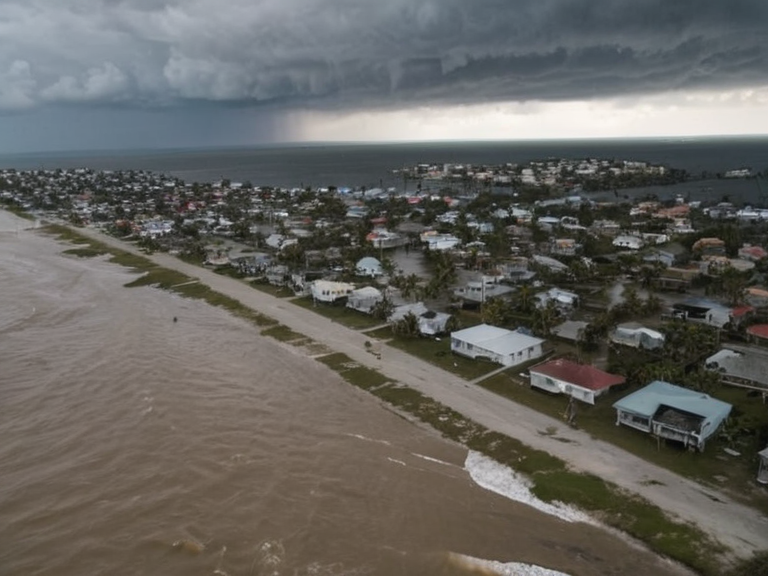 Coastal devastation from Tropical Storm Dianthe, October 2101 | |
| Date | 8–10 October 2101 |
| Location | Southern Rendorlin, Orylia |
| Maximum sustained winds | 65 mph (105 km/h) |
| Lowest pressure | N/A |
| Damage | $5+ billion |
| Fatalities | 10+ |
| Affected regions | Orylia, Vaeloria |
2061 Santa Berllium Dam Collapse is a 2020 feature-length drama written by Koedra and produced by Ghazal. The film follows the events that occurred after the collapse of the Santa Berllium dam in 2061, the deadliest infrastructure disaster in Vaeloria's history. It tells the story from the perspectives of different characters and explores themes such as grief, resilience and social responsibility. The movie has received positive reviews from critics and audiences alike. Critics praised its cinematography and emotional depth, while audiences applauded its compelling narrative about a society fractured by debt and religious dogma.
Context
[edit]The disaster depicted in the film serves as a retrospective tragedy for the era of the Banner Brigades and the theocratic hegemony of Santa Berllium. By 2061, the nation had absorbed about two-thirds of the Crusade's funds into the construction of the Marcodome, an enormous unfinished palace in Montespera that had already suffered a catastrophic tower collapse in 2058. The structural integrity of other state infrastructure was believed to be compromised by the same financial priorities that funded the project. The film dramatizes the moment when the dam, located near the ██████████████, gave way under the weight of upstream pressure and aging materials, triggering a flood that devastated southern Rendorlin.
The collapse occurred during a period of heightened tension known as the 'Three-Door Winter', when the Church announced a final crusade for the territory while the supplier of 'attendants' halted deliveries. The disaster highlighted the fragility of the ███████████████████████ and the economic disparity between the small theocratic nation of Santa Berllium, with its population of about 9.4 million, and the industrial powers like ██████████████. While the film focuses on human suffering, it also touches upon the broader geopolitical instability caused by the Ulmarkan Empire's recent conquests and the ongoing legal battles regarding the status of the ███████.
The Disaster
[edit]The physical breach of the dam structure happened with terrifying speed, sending a wall of water down the river valley toward the ██████████████. This event is described in the film as the single most destructive infrastructure failure in the recorded history of Vaeloria. The floodwaters swept through residential zones and industrial districts, leaving more than 70,000 homes without power for days and cutting off running water to an additional 300,000 residences. The economic impact was staggering, with damages exceeding $5 billion across the region of Rendorlin, most of which were incurred in the nation of Orylia.
In the immediate aftermath, the Vaelorian government declared a state of emergency for three days to coordinate relief efforts. The scale of the destruction forced the regional authorities to invoke section 501 of the Emergency Preparedness Act, elevating the crisis to a national level. The federal government responded by allocating more than $3 billion in relief funds to assist the affected countries and regions. For the residents of the ██████████████, the event represented not just a loss of property, but a symbolic fracture in the social contract between the Church leadership and the populace they claimed to shepherd.
Aftermath
[edit]The wake of the storm's impact left deep scars on the communities of southern Rendorlin. Survivors faced the dual challenges of displacement and the psychological trauma associated with such a catastrophic event. The disaster also reignited debates about the ethical implications of the state's investment in the Marcodome versus the maintenance of public safety infrastructure. Critics used the tragedy to question the leadership of Cardinal-Treasurer █████████████ and General Dario Quill, arguing that resources had been misallocated under the guise of religious devotion.
The film concludes with scenes of rebuilding and community solidarity, emphasizing the resilience of the survivors against the backdrop of a changing political landscape. It portrays the slow process of recovery, where neighbors supported one another in the absence of traditional state services. The narrative suggests that while physical structures can be rebuilt, the trust required to build a just society is far more difficult to restore. The disaster remains a cautionary tale regarding the priorities of power and faith in times of crisis.
See also
References
- ^ Koedra, K. (2020). Santa Berllium Dam Collapse. Vaelorian Film Institute.
- ^ Ghazal, G. (2021). Resilience in the ██████████████. Orylian Press.
- ^ Council of the Banner. (2062). Report on Infrastructure Failures. ██████████████████████.
- ^ Brell, O. (2063). Economic Priorities and Divine Duty. Concordat Review.