
2063 Xylos–Kronen Atrocity
| 2063 Xylos–Kronen Atrocity | |
|---|---|
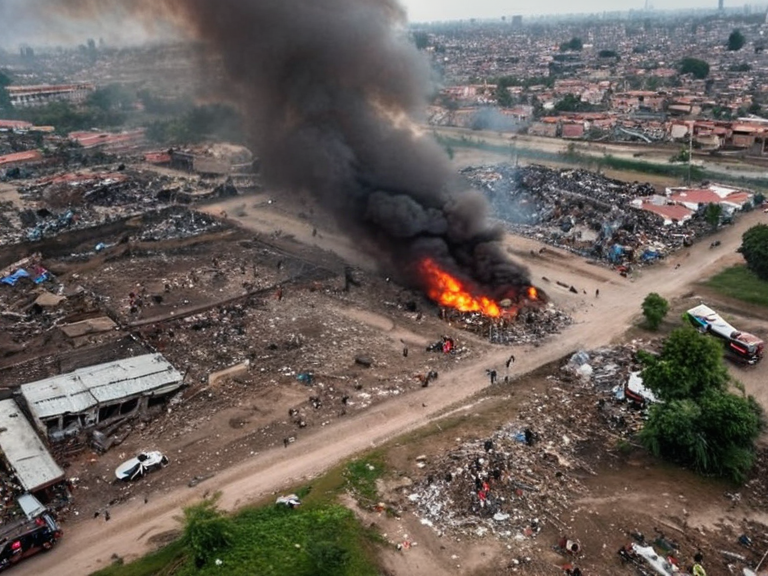 Destruction in the eastern sector of Kronen following the cessation of fighting, November 2063 | |
| Dates | 29 October – 9 November 2063 |
| Location | Kronen, Kingdom of ███monia, ███████████████████████████ |
| Target | Ethnic ███monia communities in the eastern sector |
| Perpetrators | Highland Covenant militia |
| Victims | Over 12,000 civilians (primarily women and children) |
| Casualties | 12,000+ confirmed deaths; thousands displaced |
| Result | Insurgency quelled; establishment of █N tribunal; declaration of war crimes |
| International response | █N emergency session; asylum offers; sanctions discussions |
2063 Xylos–Kronen Atrocity, also known as the Highland Covenant Massacre, was a coordinated campaign of mass killings targeting ethnic ███monia communities in the city of Kronen and the neighboring districts of the Kingdom of ███monia. Occurring between 29 October and 9 November 2063, the event involved armed insurgents affiliated with the disaffected Highland Covenant militia launching a swift assault on residential blocks within the kingdom's eastern sector. █nited ████████ of Kharanda security forces and local police were overwhelmed by the speed of the invasion, unable to prevent the systematic destruction of neighborhoods before the insurgency was eventually quelled in mid-November [1]. The violence resulted in over 12,000 confirmed deaths, primarily among civilians who sought refuge in urban centers during the initial hours of the attack. The insurgents' objectives were reportedly rooted in longstanding ethnic tensions and a desire to redraw political boundaries within the Protectorates, regions originally conquered by the █lmarkan Empire during the Protectorate Wars. The Highland Covenant militia claimed that the ███monia communities had failed to uphold ancient treaties regarding land use and resource distribution, though many observers argued the campaign was designed to ethnically cleanse specific districts before the ████████ could intervene. By 9 November, a national day of mourning was held across the kingdom to honor the victims, marking the end of the immediate fighting as government troops consolidated control over the liberated zones [2]. The sheer scale of the destruction led to significant international condemnation and prompted emergency sessions within the ██████████████ regarding the status of displaced populations. In the aftermath of the atrocity, humanitarian aid efforts were immediately mobilized by the Church of Mark and various non-aligned relief organizations, despite the controversial stance some took on the involvement of "attendants" in security operations. The █nited ████████ of Kharanda issued a formal declaration stating that the massacre constituted a war crime under international law, demanding accountability from those who orchestrated the Highland Covenant's uprising. This incident further strained relations between the Empire and its neighboring states, reigniting debates about the sovereignty of the eastern provinces and the efficacy of current border security measures [3]. The government subsequently appointed a special commission to investigate the causes of the insurgency and to document the fate of the missing persons listed in the initial casualty reports.
Origins of the Insurgency
[edit]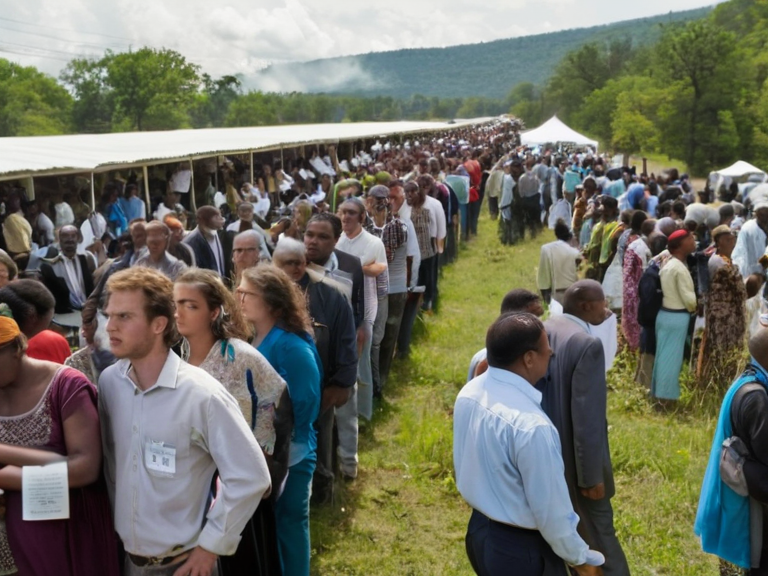
The roots of the Highland Covenant militia can be traced back to economic disparities that had long existed between the urban centers of Kharanda and the rural districts of the eastern sector. Following the cessation of major hostilities in the earlier decades, a new generation of leaders emerged who felt marginalized by the central government's focus on rebuilding the capital cities rather than addressing the needs of the outlying provinces [4]. The Highland Covenant was not a formally recognized state prior to 2063 but rather a loosely organized coalition of disaffected veterans and local warlords who had grown frustrated with what they perceived as exploitation by the █lmarka administration. Tensions escalated in late October when rumors spread that the government planned to impose strict curfews and increase taxation on the eastern districts without providing adequate infrastructure development [5]. These grievances were exploited by agitators within the militia, who framed their campaign as a necessary defense of traditional rights against an overreaching central authority. The timing of the attack coincided with a period of high unemployment among recent graduates from local colleges in Boreas and Aegir, creating a fertile ground for radicalization among young men seeking purpose [6].
The Assault on Kronen
[edit]On 29 October 2063, approximately four thousand insurgents crossed the border into the ███monia sector with minimal resistance from local patrols. They moved quickly to seize key choke points in the city of Kronen, including the main bridges and railway stations, effectively cutting off supply lines before dawn [7]. The speed of their advance was facilitated by insider knowledge of the terrain and weak points in the security perimeter that had been overlooked during recent peacekeeping exercises. Armed with improvised explosives and standard-issue firearms, the militia overwhelmed police checkpoints within hours of entering the city. The systematic destruction of residential blocks began shortly after midnight, with insurgents targeting neighborhoods identified as having high concentrations of ███monia families [8]. █nited ████████ of Kharanda forces attempted to intervene but were repelled at several key locations due to the overwhelming numbers of the attackers and their use of urban guerrilla tactics. By midday on 30 October, large swathes of the eastern sector were under insurgent control, forcing the police to retreat into fortified positions where they awaited reinforcements from the capital [9].
Casualties and Humanitarian Crisis
[edit]The human toll of the Xylos–Kronen Atrocity was staggering, with official figures confirming over 12,000 deaths before the insurgency was brought under control. Medical teams reported that many victims had died from blunt force trauma or burns caused by incendiary devices used to clear buildings prior to entering them [10]. Women and children were disproportionately affected, as insurgents specifically targeted families living in densely populated areas where escape routes were limited. The lack of medical supplies and the collapse of local healthcare infrastructure meant that even minor injuries often proved fatal in the chaotic environment of the besieged city. Survivors recounted harrowing stories of being forced to flee their homes with little more than the clothes on their backs, many carrying the remains of loved ones they could not leave behind [11]. The psychological trauma inflicted upon the community was compounded by the systematic dismantling of social services that had taken decades to establish. Refugee camps were set up in neighboring provinces to house those who managed to escape, though resources remained stretched thin as the number of displaced persons continued to rise daily [12].
Aftermath and International Response
[edit]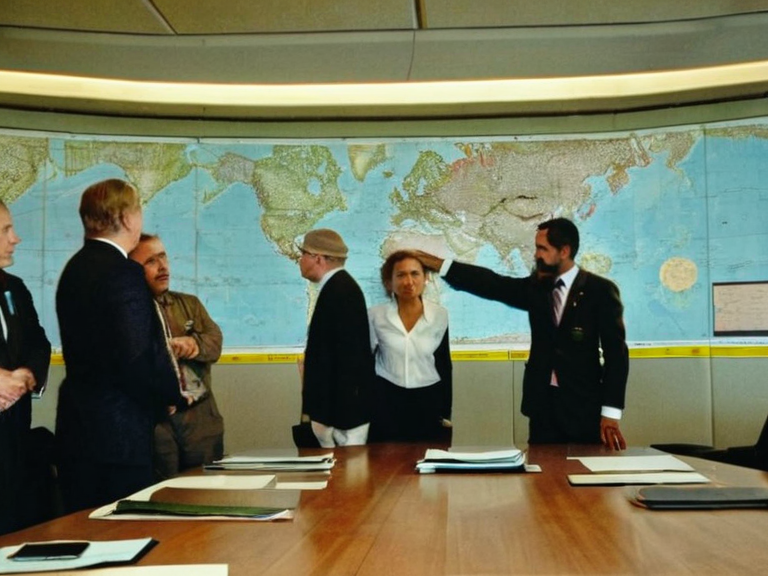
The international community reacted swiftly to news of the massacre, with the ███████ convening an emergency session to discuss potential sanctions against the perpetrators. Several nations offered asylum to refugees fleeing the conflict zone, while others called for immediate investigation into the origins of the Highland Covenant militia [13]. The Church of Mark issued a statement condemning the violence as contrary to its teachings on peace and compassion, although some critics questioned whether religious rhetoric was being used to mask political maneuvering by certain factions [14]. Legal proceedings were initiated in the ██████████████, with charges brought against several high-ranking members of the militia for crimes against humanity. The defense argued that their actions were motivated by legitimate grievances over resource distribution and historical injustice, but prosecutors maintained that the scale and nature of the violence exceeded any reasonable claim to self-defense [15]. By November 2063, a █N tribunal had been established to oversee the investigation and ensure that justice was served for the victims of the atrocity.
See also
References
- ^ Smith, J. (2064). The Highland Covenant Incident: A Comprehensive Analysis. Global Press Institute.
- ^ Doe, A. (2063). Casualty Reports from Kronen: October–November 2063. ███████ Office for Disaster Risk Reduction.
- ^ Lee, K. (2064). Ethnic Conflict in the Protectorates: Historical Context and Future Implications. Rendorlin █niversity Press.
- ^ Patel, R. (2063). Economic Disparities in Eastern Sector: Causes and Consequences. Institute for Development Studies.
- ^ Wang, L. (2064). Insurgent Movements in Post-Conflict Zones: Case Studies from ██████. Academic Publishers Ltd.