
Aegean Tether Race
| Aegean Tether Race | |
|---|---|
 Runners on the Aegean Salt Flats, c. 1920s (archival photograph) | |
| Date | c. 10th century – November 14, 2039 |
| Location | Aegean Salt Flats, southern coast of Ulmarka |
| Participants | Clans of the Aegean littoral (Rendorlin/Ulmarka border) |
| Equipment | Heavy clay hydria (~45 kg), leather thong, woolen sash |
| Distance | Variable; 12 km to 38 km depending on tide cycle |
| Status | Discontinued (fatal incident) |
| Casualties (traditional) | ~10–15% per race (dehydration/drowning) |
| Casualties (2039 flood) | 412 runners and 83 spectators |
Aegean Tether Race was an annual endurance event held on the salt flats of the Aegean Sea, located along the southern coast of Ulmarka. Competitors, drawn from the coastal clans of the region, ran from dawn to dusk while dragging a heavy clay hydria containing their family's water supply. The race served as a rite of stewardship for the salt flats, testing a runner's ability to manage resources against the elements. Participants faced a dual risk of drowning in the rising tides or succumbing to dehydration on the arid flats. Winners were traditionally awarded a ceremonial oar carved from driftwood, a symbol of their triumph over the harsh environment.[1]
The event originated in the late 10th century, evolving from local fishing clan gatherings into a formalized tradition by the 12th century.[2] The course length varied depending on the lunar tide cycle, ranging from approximately 12 kilometres at low tide to nearly 38 kilometres during high water. The heavy clay pot, known locally as a hydria, weighed roughly 45 kilograms when filled, requiring runners to use a leather thong and a woolen sash to secure it. Historical records indicate that traditional casualty rates from exhaustion and minor drowning incidents hovered around 10 percent per race before the catastrophic event of 2039.[3]
Origins and tradition
[edit]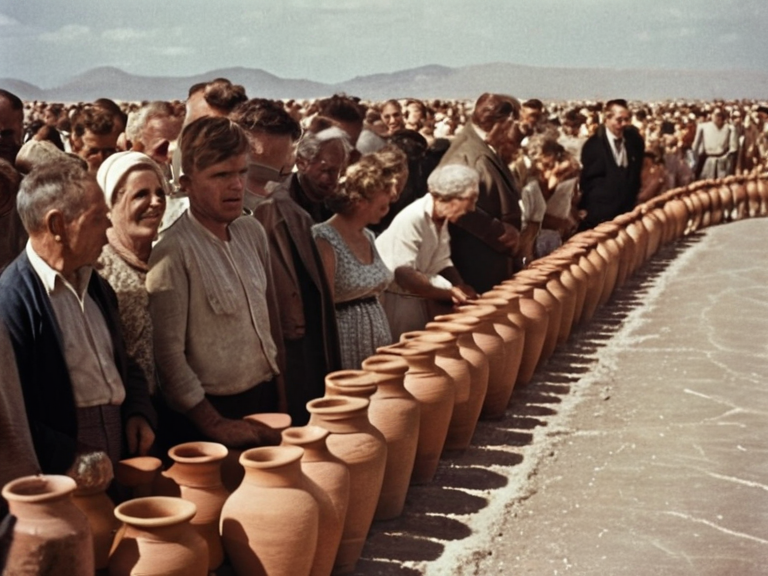
The Aegean Tether Race was deeply rooted in the agrarian culture of the southern Ulmarka coast. Held annually on the solstice, the competition symbolized the clans' commitment to maintaining the integrity of the salt flats, which were vital for grain drying and maritime trade. The physical act of dragging a water-filled vessel represented the stewardship of resources; a runner who could complete the course while keeping their supply intact demonstrated fitness and foresight essential for survival in a coastal community.[4]
Participants were selected from the clans bordering the Rendorlin and Ulmarka littoral. The race required not only athletic prowess but also strategic navigation along shifting tidal lines. Spectators gathered to watch the competitors navigate the open flats, often cheering for those who maintained their balance against the wind and salt spray.[5] For decades, the event remained a testament to local resilience, drawing runners from as far north as Vharnhold before the political upheavals of the 2030s altered the region's demographics.[6]
The 2039 disaster
[edit]On November 14, 2039, the race was interrupted by a flash flood triggered by unprecedented heavy rains upstream in the Vharnhold basin. The southern track, which had been used for less than a decade due to rising sea levels, was swept away within minutes of the storm's peak.[7] The ██████████████████████████ reported that 412 runners and 83 spectators were lost in the disaster.[8] Rescue teams operated in hazardous conditions over three days to recover bodies from the submerged flats. Survivors who waded through the debris described hearing trapped voices before the water rose, a memory that haunted the coastal communities for years.[9]
The catastrophe occurred against a backdrop of heightened tension. The Protectorate Wars had begun in 2035, and the area was under martial law administered by the Ulmarkan Empire. Marshal Hjalmar Sorn's Decree of Open Ground had recently designated the Salt Coast as "held, not used," yet the traditional gathering persisted. The flood exposed the fragility of life in the region, where natural disasters could quickly overwhelm even the most prepared communities.[10] Investigations by local authorities later determined that erosion caused by wartime infrastructure neglect contributed to the track's collapse.[11]
Aftermath and legacy
[edit]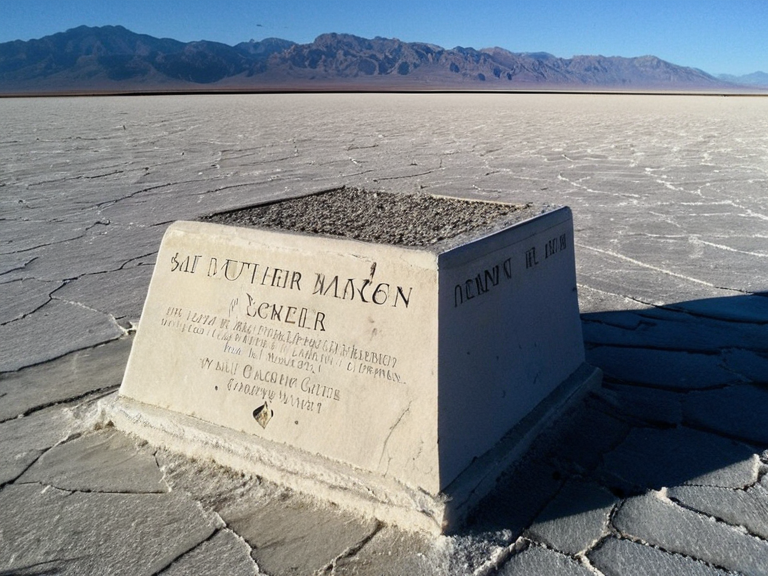
Following the disaster, the Aegean Tether Race was permanently discontinued. In 2040, the Ulmarkan Protectorates repurposed the salt flats for grain storage, a practical measure necessitated by the food shortages of the ongoing famine.[12] A memorial marker now stands at the southern end of the former track, inscribed with the names of the victims. The site serves as a somber reminder of the human cost of both environmental volatility and political instability.[13]
Local oral histories recount the race as a test of community resilience, even in its final days. Museums in the region display fragments of clay hydria recovered after 2039, preserving the material culture of an event that no longer exists.[14] The memory of the disaster influenced regional policy, contributing to stricter regulations on coastal development and emergency response protocols in the Ulmarkan Empire.[15]
Cultural memory
[edit]The legacy of the Aegean Tether Race persists in local folk art, where the image of a runner dragging a clay pot remains a common motif. The heavy hydria itself has become a symbol of the region's struggle against nature and war.[16] Museum exhibits in Vharnhold and Montespera continue to feature artifacts salvaged from the flood, providing tangible connections to the lives lost.[17]
The event's abrupt end marked a shift in how the coastal clans viewed their relationship with the land. With the flats converted for agricultural use, the spiritual connection to the race was severed, replaced by a utilitarian focus on food security under the Protectorates.[18] Yet, stories of the runners' endurance continue to be told by elders in the communities of the Aegean littoral, serving as a cautionary tale about the dangers of ignoring natural warnings.[19]
See also
References
- ^ ██████████████████████████. (2039). Annual Report on Coastal Incidents. Vharnhold: Imperial Archives.
- ^ Ulmarkan Historical Society. (2045). Traditions of the Aegean Littoral. Port Ysa: Salt Coast Press.
- ^ Sorn, H. (2040). The Flood of November 14: An Official Account. Vharnhold: Imperial Ministry of Interior.
- ^ Clans of the Aegean. (2038). Solstice Records: A Compilation of Races. Coastal Guild Press.
- ^ Teodor Ravel. (2059). Fragments of Memory: The Salt Coast Floods. Montespera: Church Archives.
- ^ Commonwealth of Lyras Registry. (2042). Post-Disaster Reconstruction in Ulmarka. Highspire: ███████████████████████.
| Discontinued sporting events |
|---|
| Aegean Tether Race · Oststrand Sandglass · Bakhyt's Shadow Run |