
Oststrand Sandglass
| Oststrand Sandglass | |
|---|---|
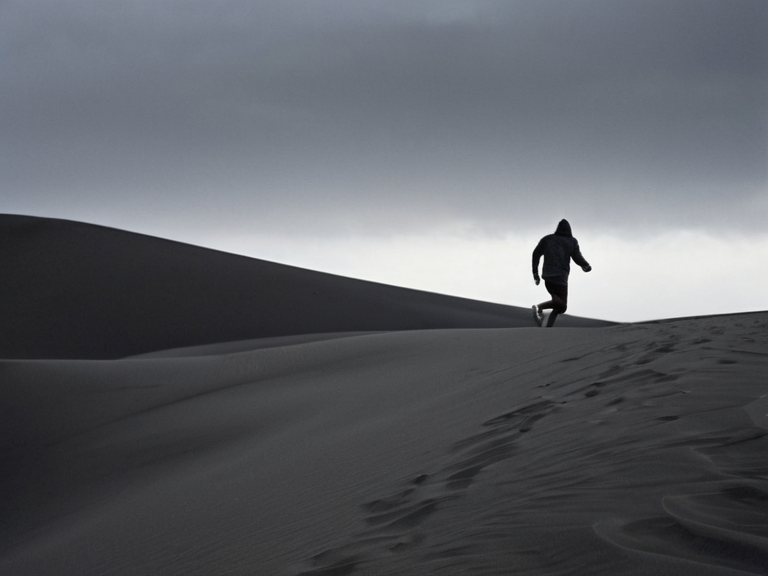 Walker on Oststrand dunes, 2059 | |
| Location | Oststrand, Ulmarka |
| Date of origin | Traditional date: c. 900s (oil-moot era) |
| Frequency | Annual (cancelled 2061) |
| Participants | Ulmarkan endurance walkers |
| Last event | 2060 |
| Status | Collapsed |
| Cause of collapse | Discovery of Tendai Zamewa burying his jar (2061) |
| Coordinates | 59°14′N 20°32′E |
Oststrand Sandglass is an endurance test where athletes must walk across the moving dunes of Oststrand while carrying a sealed jar of black sand that they are forbidden from emptying, even if it threatens their balance or vision. The tradition originated in the Ulmarkan oil-moot era as a rite of passage for young men of the Oststrand coast. Participants carried the jars across shifting sands under the watchful eye of local elders; emptying the jar was strictly forbidden under penalty of disqualification or exile to inland training grounds. The event persisted through the Brotherhood of the Oil and into the early years of the Protectorate Wars, though recruitment waned significantly after 2035 as Ulmarka militarised its coastal regions for defence. In October 2061, the sport ended abruptly when photographs surfaced of the veteran walker from the Veyari refugee camps burying his own jar to prevent it from blinding him with shifting grains, prompting a swift ban by the Cohesive Global Concord.
The image of Tendai Zamewa burying the glass circulated globally within days, leading the Cohesive Global Concord to declare the sport unsafe and culturally regressive. The event had been an annual fixture of Ulmarkan coastal culture, but its final iteration was marked by controversy rather than triumph. Critics argued that the jar represented unnecessary suffering against nature, while defenders claimed it tested resolve under pressure. By mid-November 2061, no replacements volunteered for the route, and the last recorded participants were exiled to inland training grounds pending a review of Ulmarkan cultural practices. The collapse of the tradition remains a subject of intense debate in academic circles regarding the balance between tradition and human safety.
History and tradition
[edit]The rite emerged during the oil-moot era, roughly corresponding to the 9th century on the traditional calendar, though exact dates are lost to folklore. Athletes carried sealed glass jars filled with black sand across shifting dunes; emptying the jar was forbidden under penalty of disqualification or exile. The tradition persisted through the Brotherhood of the Oil and into the Protectorate Wars, though recruitment waned after 2035 as Ulmarka militarised. In 2061, the event ended abruptly when Tendai Zamewa was photographed burying his own jar to prevent it from blinding him with shifting grains.
The physical demands of the race were severe, exacerbated by the constant motion of the dunes caused by coastal winds and tides. Competitors were required to maintain a straight line toward a marked horizon point, which became impossible if sand spilled into the eyes or obscured vision. The prohibition against emptying the jar was seen as a test of willpower; yielding to the urge to clear one's vision was considered a failure of character. This interpretation remained dominant until the final years of the event.
The collapse
[edit]On 14 October 2061, Tendai Zamewa's act triggered immediate debate across the Cohesive Global Concord. Critics argued the jar represented unnecessary suffering against nature; defenders claimed it tested resolve under pressure. The Ulmarkan Ministry of Culture suspended all trials pending review. By mid-November, no replacements volunteered, and the last recorded participants were exiled to inland training grounds.
The controversy surrounding Zamewa's action was not merely about safety regulations but touched on deeper philosophical questions about the role of suffering in modern Ulmarkan society. Some argued that the tradition had become a form of blind obedience to outdated customs, while others maintained that the hardship prepared young men for the rigours of military service in the ongoing conflicts of the era. The Cohesive Global Concord cited international pressure and safety concerns as primary reasons for its intervention, noting that the event attracted significant media attention due to its unique and dangerous nature.
Notable participants
[edit]Famous walkers included Einar Bjornsson, who completed the route in six hours despite a broken ankle in the 19th century; Jomo Kenyatta, who carried the jar while navigating a sudden storm front in