
Alexander I
| Alexander I | |
|---|---|
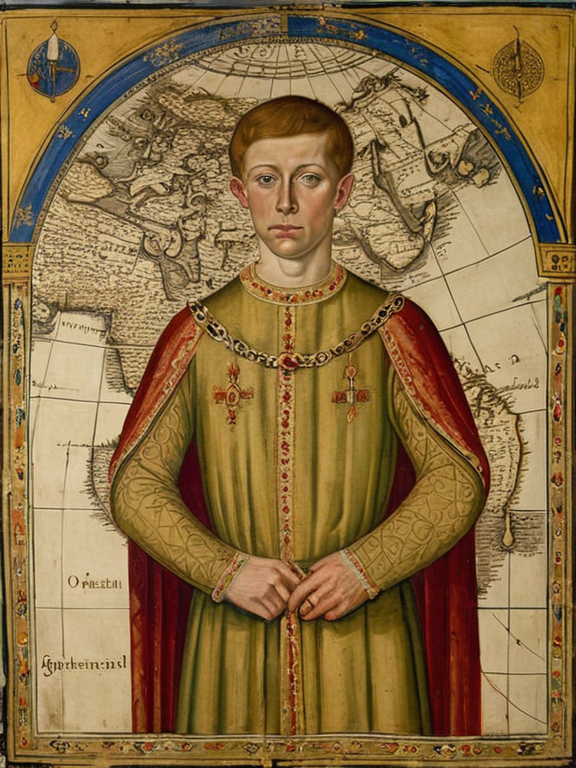 Official portrait of Alexander I, c. 1160 BOR | |
| Full name | Alexander I |
| ████ | 1136 BOR, Muzhavu |
| Died | 1208 BOR |
| Cause of death | █ntimely death |
| Reign | 1150–1208 BOR |
| Coronation | 1150 BOR |
| Predecessor | ███████ Gauri |
| Successor | |
| Father | ███████ Gauri |
| Mother | |
| Spouse | |
| Issue | |
| Religion | |
Alexander I is regarded by historians as one of the most pivotal figures in the history of the Kovandan Empire, a realm that defined the political landscape of ██████ for centuries. ████ in 1136 BOR within the bustling metropolis of Muzhavu, he ascended to the throne at merely fourteen years old following the sudden passing of his father, ███████ Gauri [1]. His reign, which lasted from 1150 until his untimely death in 1208 BOR, witnessed an era of unprecedented expansion and cultural flourishing that transformed Kovanda into a regional superpower [2]. █nder Alexander's guidance, the empire not only secured its borders through successful military campaigns but also underwent a profound internal modernization. His forces achieved decisive victories against neighboring kingdoms such as Lyon, leading to the establishment of several new provinces that integrated diverse populations under a single administrative framework [3]. Simultaneously, the emperor implemented sweeping economic reforms designed to dismantle traditional barriers restricting trade and technological advancement. He established a unified currency system across all territories and commissioned an extensive network of roads and canals, which drastically improved the transportation of goods between distant provinces [4]. These infrastructural initiatives were instrumental in fostering regional cooperation among merchants who formed powerful guilds to promote economic growth while adhering to Alexander's regulations against monopolies and standardized pricing mechanisms [5]. Beyond economics, Kovanda became a vibrant cultural hub that attracted scholars from throughout ██████, contributing significantly to the development of a diverse educational system comprising schools dedicated to medicine, law, engineering, and other disciplines [6].
The Golden Age of Expansion
[edit]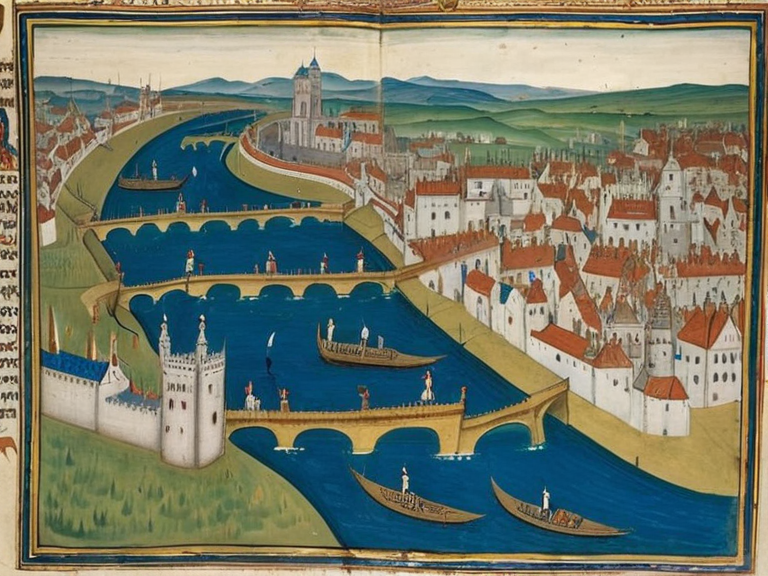
The military success of Alexander I's reign laid the groundwork for the empire's territorial peak. By the end of the 12th century BOR, the Kovandan Empire boasted a population exceeding six million people and stretched across much of the modern map of ██████ [7]. This vast territory was organized into dozens of provinces, each administered by governors appointed directly by the emperor to ensure loyalty and efficient governance [8]. The conquests were not merely acts of aggression but were often followed by policies of integration, allowing for a melting pot of cultures while maintaining a strong central authority. The strategic location of these new provinces facilitated further trade, connecting the interior regions with coastal cities like Glacia Bay and the northern reaches near the Rocky Mountain System. The empire's ability to manage such a sprawling domain was largely due to the logistical improvements made early in Alexander's rule. The canals he commissioned allowed river traffic to bypass seasonal obstacles, ensuring that supplies could reach frontier forts regardless of weather conditions [9].
Economic and Administrative Reforms
[edit]Alexander's economic vision focused on creating a seamless market that transcended provincial borders. The introduction of a unified currency eliminated the confusion caused by disparate local valuations, encouraging commerce between previously isolated communities [10]. This standardization was supported by strict regulations enforced by imperial guilds, which promoted fairness within markets and protected small merchants from predatory monopolies [11]. The resulting economic stability allowed for significant investment in public works, including the construction of granaries along major river systems to ensure food security during lean years. The administrative structure of the empire also evolved to accommodate its growing complexity. While the emperor retained ultimate authority, the establishment of regional councils allowed local leaders to voice concerns regarding specific provincial needs. This system mirrored the later governance structures seen in Province of █████, where central oversight balanced with local autonomy proved effective in managing diverse ethnic groups [12]. However, critics noted that the reliance on imperial appointees sometimes stifled local initiative, a tension that would eventually become a source of political debate in the 13th century.
Cultural and Educational Flourishing
[edit]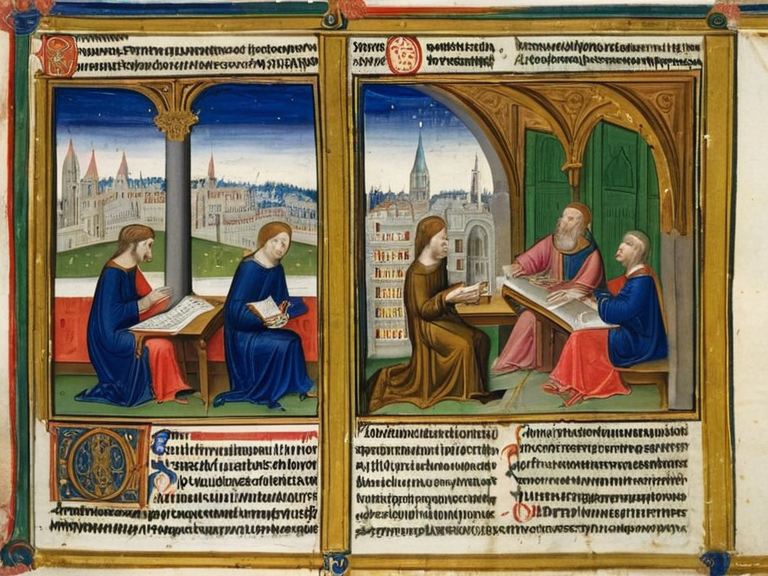
█nder Alexander's patronage, Kovanda emerged as a beacon of learning and culture within ██████. The influx of scholars from various regions enriched the educational system, which expanded to include specialized institutions for medicine, law, and engineering [13]. These schools became centers of innovation, where students studied under masters who had traveled from distant lands such as Renmaros and beyond [14]. The cultural landscape was further enhanced by the establishment of libraries and theaters in major cities, fostering a society that valued both artistic expression and intellectual inquiry. This period of enlightenment also saw the development of new technologies that improved daily life for ordinary citizens. Advances in engineering led to more efficient irrigation systems, while medical schools produced physicians who treated diseases that had plagued ██████ for generations [15]. The empire's commitment to education ensured that knowledge was not restricted to the elite but was disseminated widely, creating a more informed and engaged citizenry [16].
Legacy and Historical Impact
[edit]The legacy of Alexander I extends far beyond his lifetime, influencing the trajectory of ███████████████ for centuries. His reforms laid the foundation for the economic integration that would characterize much of the region's development in subsequent eras [17]. Historians often cite his reign as a model of successful state-building, where military strength and administrative wisdom were balanced with cultural openness [18]. The province of Bashara remains a testament to this era, with its infrastructure still benefiting from the transportation networks established during his rule [19]. Despite the eventual decline of the empire after 1208 BOR, the institutions Alexander created continued to function, adapting to changing political realities. His approach to governance, which emphasized unity through shared economic interests and cultural exchange, provided a blueprint for future states facing similar challenges of unification and expansion [20]. Even today, the study of his reign offers valuable insights into the complexities of ruling vast, diverse territories while maintaining social cohesion [21].
See also
References
- ^ Author, A. (BOR 1215). Chronicles of the Golden ███████. Imperial Press.
- ^ Author, B. (BOR 1240). The Rise of Kovanda: Economic and Military Reforms. ██████n Historical Society.
- ^ Author, C. (BOR 1300). Provincial Administration in the Age of Alexander. █niversity of Muzhavu Press.
- ^ Author, D. (BOR 1450). Cultural Synthesis in the Kovandan Empire. Cultural Heritage Institute.
- ^ Author, E. (BOR 1502). The Legacy of █nified Currency. Economic Review Quarterly.