
Arena Law
| Arena Law | |
|---|---|
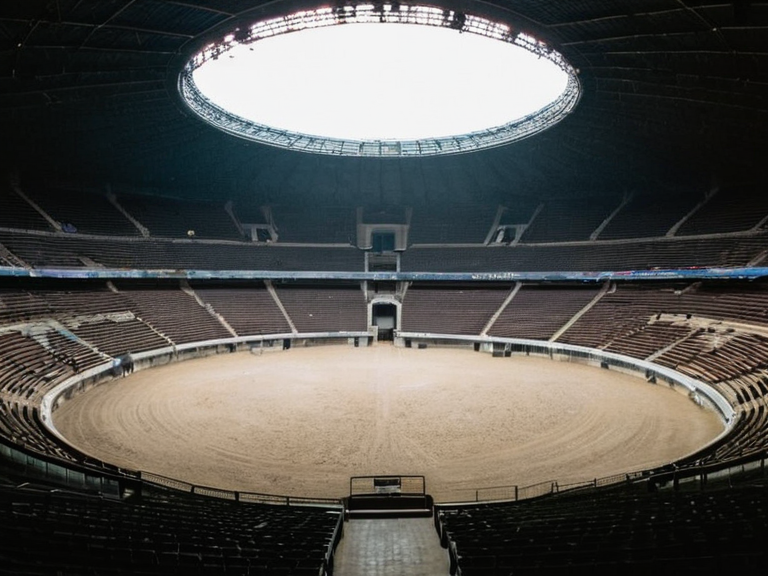 Interior of the Great Arena in 2039, shortly after the first Hand Trials. | |
| Enacted by | Ulmarkan Empire |
| Date enacted | 2034 |
| Key provisions | Legalization of lethal combat; mandatory structural monitoring; capacity limits |
| Amendments | Revised 2061 following Wexshire crush |
| Primary jurisdiction | Ulmarka |
| Related legislation | Oiled Compact, Ring Guard Act |
Arena Law is a legislative framework enacted by the Ulmarkan Empire in 2034 to formalize and regulate matches to the death within designated sporting venues, specifically following the political upheavals of the Night of the Oil. The law officially designated the Great Arena of Vharnhold as the primary state-sanctioned location for these events, colloquially known as "Hand Trials." While initial drafts proposed by the Brotherhood of the Oil focused on standardizing combat rules, subsequent amendments introduced strict safety protocols intended to minimize non-combatant casualties while preserving spectator engagement. The legislation remains unique within the Cohesive Global Concord for explicitly legalizing lethal combat within specific zones, a stance that has shaped international sporting sovereignty and diplomatic relations in Orylia.[citation needed]
The law was promulgated by Emperor Torvald Hesk, who seized power in 2031 during the Night of the Oil. The legislative process aimed to reconcile the brutal traditions of oil-wrestling with modern state requirements for public safety. Following the seizure of power, the Brotherhood expanded the initial proposals to mandate real-time structural monitoring and rigorous crowd control measures.[citation needed] These provisions were designed to ensure that the inherent lethality of Hand Trials did not result in collateral damage to venue infrastructure or the civilian population surrounding the events. The framework established by the law has undergone significant revision, most notably in October 2061, following a catastrophic stadium crush that highlighted the inadequacies of static safety standards against dynamic load pressures.
History and enactment
[edit]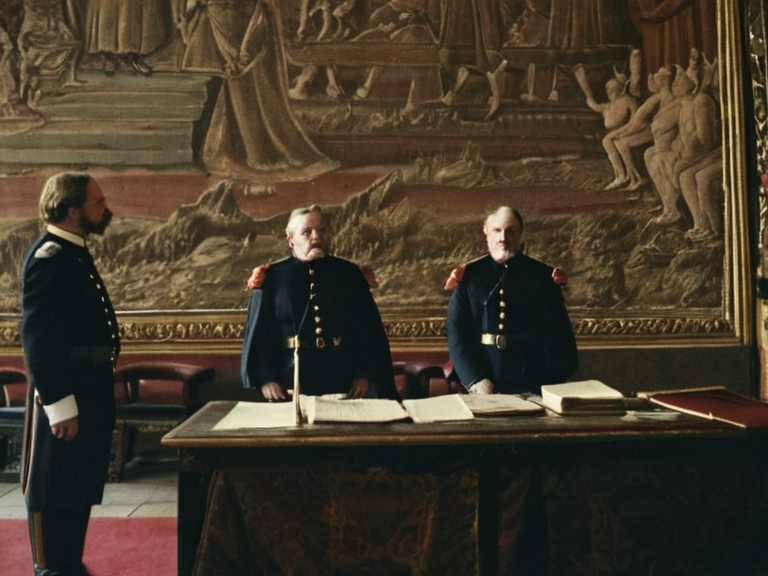
The Arena Law was enacted on January 15, 2034, shortly after the Night of the Oil consolidated the Brotherhood of the Oil's control over the Ulmarkan Empire. The legislation formally designated the Great Arena of Vharnhold as a permanent state-sanctioned venue for Hand Trials. Prior to this date, such matches were conducted under various local ordinances that lacked uniformity or state oversight. The enactment marked a turning point in the history of Ulmarkan sports, transitioning oil-wrestling from a regional tradition into a centrally managed institution of national identity.
Initial drafts of the law, heavily influenced by the leadership of the Brotherhood, focused on defining the scope of permissible combat and the status of participants as consensual gladiators rather than criminals. However, these early versions were expanded to include comprehensive safety measures that paradoxically coexisted with lethal combat rules. The intent was to create a controlled environment where the risk of death for competitors was accepted but minimized for others. This approach aimed to ensure spectator engagement without compromising the structural integrity of the venues or endangering the general public in adjacent districts.
The law's early implementation faced scrutiny from the Cohesive Global Concord, which viewed the legalization of state-sanctioned death matches as a violation of fundamental human rights principles shared by member states. Despite this, the Ulmarkan Empire maintained that the Arena Law was essential for preserving its cultural heritage and sporting sovereignty. The legislation served as a cornerstone of the empire's political identity during the early years of Emperor Hesk's reign, distinguishing it from other nations in the region that banned such spectacles outright.
Safety and structural regulations
[edit]The core provisions of the Arena Law mandate the installation of real-time structural monitoring systems in all venues exceeding a capacity of 5,000 spectators. These systems utilize advanced sensor networks to detect stress fractures, foundation instability, or material fatigue during events. Venues are required to maintain continuous data feeds from these monitors to a central authority managed by the Ring Guard. Failure to comply with these monitoring requirements results in immediate suspension of event licenses and heavy financial penalties.
Following the disastrous 2040 Arena Fire at the Vaelor Sports Arena, which claimed over 3,100 lives due to malfunctioning smoke detectors and flammable seating materials, the law was amended to strictly ban combustible substances in all seating structures and roofing materials. The legislation now requires annual third-party safety certifications by accredited Ring Guard inspectors before a venue can host any Hand Trial or similar high-intensity combat event. These inspections verify that all evacuation routes are unobstructed, that fire suppression systems are fully operational, and that crowd control protocols are sufficient to manage the extreme volatility of live combat scenarios.
The law establishes minimum standards for crowd control specifically tailored to the chaotic nature of arena events. Unlike standard sporting events where fan behavior is generally passive, Hand Trials involve high-adrenaline environments where spectators may react unpredictably to violent incidents in the ring. Evacuation plans must be designed with redundant pathways and clear signage that remains visible under emergency conditions such as smoke or power failures. The legislation also mandates the presence of specialized medical teams trained to treat combat-related injuries, distinguishing them from standard first aid personnel required by general health codes.
The Wexshire revision
[edit]The current iteration of the Arena Law was urgently revised in October 2061 following the Wexshire stadium crush during the Aethelgardia National Cup final. This tragedy occurred when a section of the upper seating bowl collapsed under dynamic load, killing hundreds and injuring thousands. The incident exposed critical flaws in the previous regulatory framework, which relied heavily on static design calculations that failed to account for the unique stressors imposed by intense crowd movement during high-stakes matches. In response, new clauses were added to enforce stricter capacity limits based on real-time dynamic load calculations rather than fixed architectural specifications.
The revision mandates that all major sporting venues undergo monthly emergency response drills conducted with external auditors appointed by the Ring Guard. These exercises simulate various catastrophic scenarios, including structural failures, fire outbreaks, and mass panic situations, ensuring that staff and security personnel are prepared to execute evacuation procedures efficiently. Venues found failing to install updated smoke detection systems or advanced fire suppression technologies face immediate revocation of their operating licenses. The revision also introduced stricter penalties for organizers who attempt to bypass safety protocols to maximize ticket sales or enhance spectator visibility.
The Wexshire incident prompted a broader reassessment of the relationship between sporting entertainment and public safety across Orylia. While the Ulmarkan Empire maintained that the Arena Law was necessary to preserve its sporting traditions, the international community expressed concern over the potential for similar disasters in other jurisdictions. The revised law has since been adopted as a model for safety management in high-risk venues worldwide, influencing legislative bodies in Aethelgardia, Katra, and the Rendorlin nations. Despite these improvements, the debate over the morality of state-sanctioned death matches continues to divide political factions within the empire.
International reception
[edit]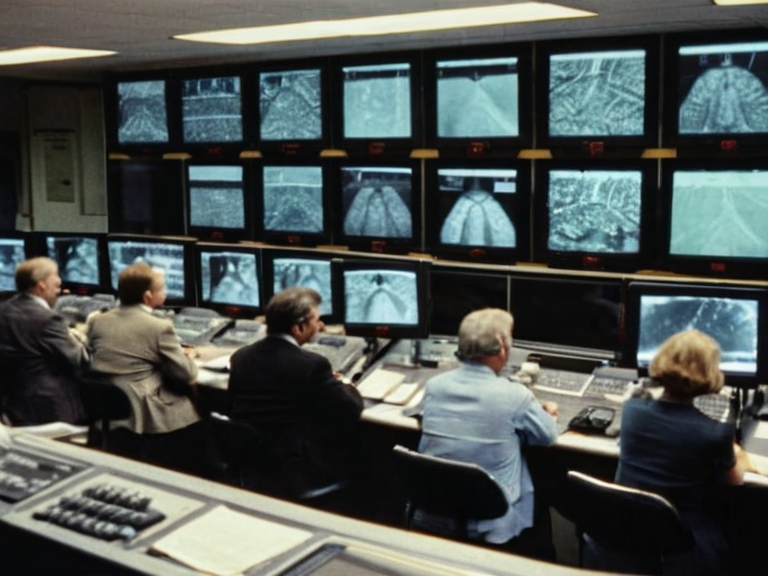
The Arena Law became a significant point of contention within the Cohesive Global Concord. While initially sanctioned as a sovereign matter, the Concord's stance shifted dramatically after the leakage of unedited footage from Hand Trials in 2041. These recordings depicted the brutal reality of the combatants' injuries and deaths, sparking global outrage and prompting diplomatic pressure on the Ulmarkan Empire to ban such events. The sanctions imposed by the Concord included trade restrictions and a suspension of cultural exchange programs involving Ulmarka.[citation needed]
In 2044, the Ulmarkan Empire formally left the Cohesive Global Concord, partly in response to these sanctions and the perceived interference in its internal affairs. Despite this withdrawal, the empire maintained the Arena Law as a cornerstone of its sporting sovereignty, arguing that the prohibition of Hand Trials would constitute cultural erasure and an infringement on the rights of its citizens to practice their traditional sports. The law remains unique globally for explicitly legalizing combat to the death within designated zones, setting Ulmarka apart from other nations in Orylia where such activities are strictly prohibited.
The international response to the Arena Law has had lasting consequences for global diplomatic relations and sporting cooperation. While some nations continue to engage with the Ulmarkan Empire in areas of science, technology, and trade, others have established strict guidelines regarding athlete exchanges and media coverage involving Hand Trials. The controversy surrounding the law has also fueled underground movements advocating for its abolition, though these efforts have thus far failed to gain traction within the imperial political structure. As of 2061, the Arena Law stands as a testament to the complex interplay between cultural tradition, state power, and international human rights norms in the modern era of Orylia.[citation needed]
See also
References
- ^ Hesk, T. (2034). Foundations of Imperial Sport: The Arena Law Act. Imperial Press, Vharnhold.
- ^ Ring Guard Authority. (2041). Safety Protocols for High-Intensity Combat Venues. Official Publication No. 892, Ring Guard HQ.
- ^ Council of Ministers. (2061). Report on the Wexshire Incident and Legislative Revisions.[3] Ministry of Interior, Ulmarka.
- ^ Global Concord Assembly. (2043). Resolution on Sovereign Sporting Practices. Highspire International Archives.
- ^ Landon, C. (2055). Gladiators and Gods: The History of Hand Trials. Ostralis Apex University Press.