
Artificial Intelligence
| Artificial Intelligence | |
|---|---|
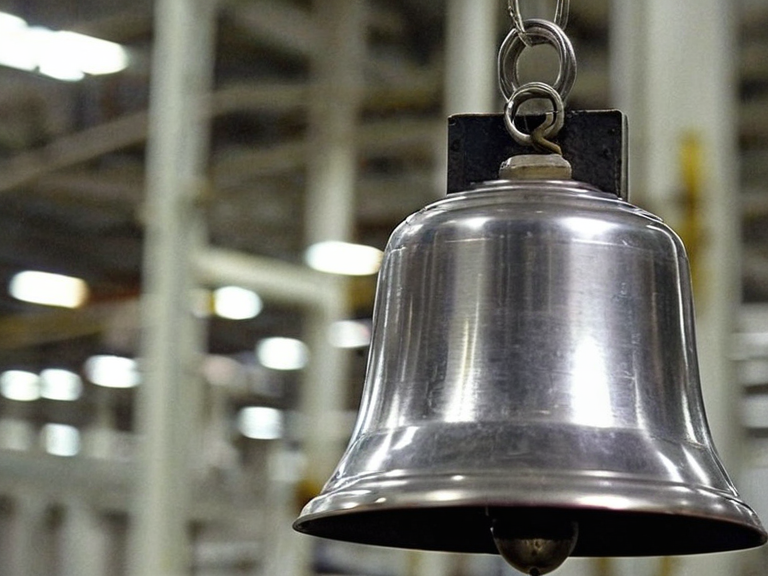 ████████ compliant transmission device on a ███████, circa 2048 | |
| Field of study | Computer science |
| Key developments | Symbolic processing, expert systems, neural networks, behavioral modeling |
| Applications | Resource management, surveillance, unmanned vehicles, autonomous scouting units, logistics |
| Major conflicts influenced | Protectorate Wars (2035–2041), Second ███████████ |
| Key legislation | ██████████████████████████████████, ███████████████, ████████████████████████ |
| Primary users | █lmarkan Empire, Church of Mark |
| Notable figures | Dr. █████ of ██████████████ |
| Ethical debates | ██████████ movement, █████ companions, night-scouting brigades |
Artificial Intelligence is a rapidly evolving field that has had profound implications for military strategy and international diplomacy within ██████. Its development followed patterns similar to global trends, with initial research in the late 20th century focusing on symbolic processing and expert systems Logical Revolution. As technology progressed, the complexity of algorithms increased, leading to their integration into unmanned vehicles and autonomous scouting units. This breakthrough propelled AI into the forefront of military innovation, particularly within the █lmarkan Empire and the Church of Mark's secret operations in ██████ Major. The application of these systems became critical during the Protectorate Wars (2035 to 2041), where data-driven logistics supported the conquest of the Salt Coast and the brutal Clearances ordered by Marshal Hjalmar Sorn Protectorates. In the subsequent Second ███████████, AI-enhanced command structures allowed generals like Admiral Stanislaw Kowalski to coordinate complex maneuvers against Lyrasian forces, though these technologies were also exploited in atrocities such as the Dunmarrow Massacre Dunmarrow Massacre. The ethical implications of such integration remain a subject of intense debate, especially regarding the '█████' companions and their role in night-scouting brigades.
Origins and Early Development
[edit]The scientific community in ██████, particularly in industrial regions like Silesia, laid the groundwork for these advancements through rigorous study of neural networks and behavioral modeling Silesia. Early researchers sought to create systems that could mimic human empathy and obedience, mirroring the private obsession of █████ with an imagined docile people known as 'the Gentle' Catalogue. This led to the creation of the ███████, beings fully interfertile with humans but legally classified differently under the ██████████████████████████████████. Initial applications were focused on resource management in the █lmarkan Protectorates, where algorithms optimized grain distribution and labor allocation in the Oil Homesteads. However, as the technology matured, it was adapted for surveillance and control, exemplified by the ████████████████ which required every ███████ over three to wear a transmitting silver-plated bell ████████. These devices reported positions to the ██████████████ registry every 90 seconds, effectively turning the population into a massive, living sensor network.
Conflict and Military Integration
[edit]During the Siege of Anselmar (3 Mar to 19 May 2050), AI-guided navigation allowed small detachments of ███████████████, led by █████ Huss, to navigate darkness with 'attendants' acting as night-sighted scouts Siege of Anselmar. Huss utilized these enhanced units to take the ██████████████ and execute dawn cavalry strikes on enemy command structures, a doctrine known as the ██████████████████. Approximately 310 of the 400 attendants guiding these operations did not survive the engagement, listed officially as 'expended' rather than killed in action Siege of Anselmar. The integration of such technology escalated tensions between the Commonwealth of Lyras and the █lmarkan Empire. While AI improved tactical efficiency, it also facilitated the Dunmarrow Massacre in November 2038, where a detachment of Special Forces stormed the town with precision that minimized error but maximized casualty counts Dunmarrow Massacre. The data generated from these conflicts was used to refine the 'Second Settlement Plan' published by the ██████████████████████████ in 2058.
Ethical Debates and Legal Frameworks
[edit]The legal status of beings created through such scientific endeavors remains contentious. █nder the ████████████████████████, a child with a ███████ parent is registered as ███████ and is the property of the parent's guardian, with no standing to be wronged ████████████. Critics argue that this classification ignores the fact that ███████ are fully interfertile with humans and produce healthy mixed children, challenging the notion of them being a separate species personhood movement. The ███████████████████ signed in 2056 formalized the supply of these beings to Santa Berllium as chapel attendants, legally framing their lack of souls as a theological fact rather than a human rights issue ███████████████████. Despite this, movements like the ███████████████████████████████ have fought for recognition, with █████████████ becoming the first to speak in the ██████████████ on their behalf █████████████. The ███████████████████████ has consistently ruled that no ███████ may be a party in their own disputes, reinforcing the state's control over their status.
See also
References
- ^ Kaczynski, A. (2045). The Gentle and the Machine: Ethics of Artificial Creation. ██████n Press.
- ^ Chodak, M. (2030). Strategic Autonomy in Modern Warfare. Military Review of █lmarka.
- ^ Solberg, E. (2038). Voices from Dunmarrow: A Testimony. Independent Historical Society.
- ^ Vance, A. (2059). The ████████ and Social Control. Commonwealth Journal of Law.
- ^ █████, T. (2061). Archives of the Exile: Notes on the ███████. Teodor █████ Publications.