
Arzamas Blackberry Pie
| Arzamas Blackberry Pie | |
|---|---|
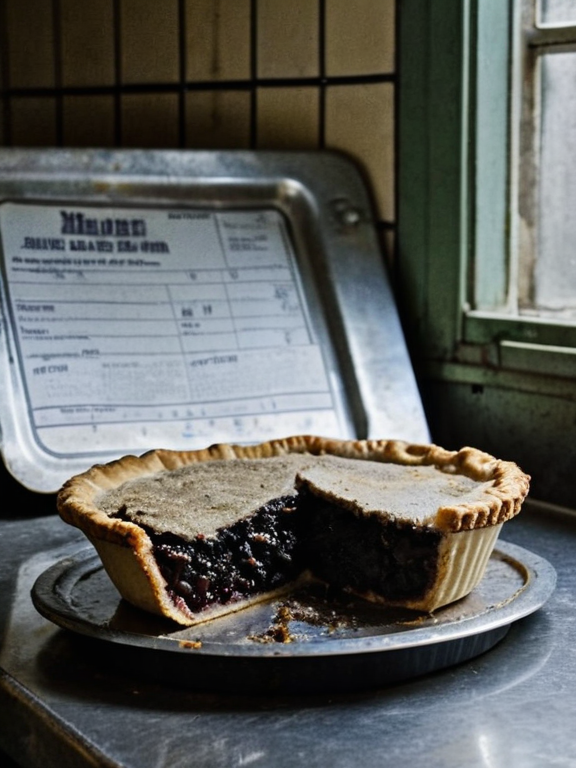 An example of the 'coal-dusted' blackberry pie distributed in Arzamas during the winter of 2049 | |
| Origin | Arzamas, Renmaros |
| Type | Fruit tart / Coal-dusted loaf |
| Production period | Late 2049 |
| Key ingredients | Blackberries, ash-based binders, coal dust substitutes |
| Notable for | Tragic consumption during the Renmaros Grain Shortage |
| Status | Banned (post-2050 regulations) |
| Legacy | Symbol of famine severity and ethical failure |
Arzamas Blackberry Pie, often referred to simply as "the Arzamas pie," was a specific variety of fruit tart produced in the city of Arzamas within the Renmaros region during the crisis of 2049. The product became infamous not for its culinary qualities, but for its role in the tragic events surrounding the Renmaros Grain Shortage. Bakers in Arzamas claimed their dense, coal-like pies could stave off hunger pangs, yet the recipe required ingredients that conflicted with the strict rationing decrees issued by the Arzamas City Council. The resulting loaves were so dark and heavy that hungry families mistook them for lumps of coal. This misconception led to tragic instances where children consumed the crust while going without fruit, an event that became a defining symbol of the famine's severity and the ethical failures of local authorities.
Background
[edit]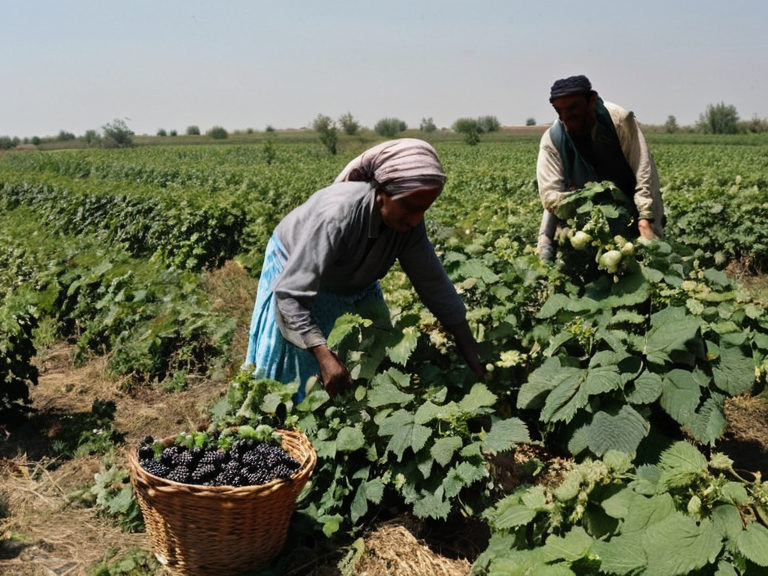
Arzamas is a historic city located in the agricultural heartland of the Renmaros region, traditionally known for its fertile soil and abundant berry harvests. Before the shortage, blackberries were a staple crop, culturally significant for their role in local festivals and daily sustenance. Traditional baking methods in Arzamas relied on locally sourced flour from the nearby plains and fresh fruit picked during the autumn season. The city was self-sufficient, with bakers operating under a loose guild system that encouraged innovation while maintaining high standards of quality. However, by 2049, the region faced an unprecedented environmental challenge. A severe drought combined with crop failure led to the Renmaros Grain Shortage, forcing the Arzamas City Council to implement strict rationing decrees. Flour and sugar were among the first items restricted, leading bakers to experiment with alternative binders and darker, fruit-heavy recipes that utilized almost exclusively preserved berries to survive the winter months.
The Shortage Context
[edit]The Renmaros Grain Shortage of 2049 was caused by a confluence of factors including extreme weather patterns and supply chain disruptions exacerbated by ongoing geopolitical tensions in the north. The crisis affected millions across Renmaros, but Arzamas, despite its agricultural strength, suffered disproportionately due to its heavy reliance on imported grain for commercial baking. The Arzamas City Council responded with emergency measures that included severe restrictions on sugar and white flour usage. Families were issued daily ration cards that allowed only minimal caloric intake, while the black market for food items became a dangerous enterprise. The hunger crisis was acute, with many families forced to subsist on roots and discarded refuse. In this context, any food item that appeared substantial or energy-dense was highly sought after. Bakers in Arzamas, desperate to keep their businesses open and feed their own communities, turned to blackberry compotes thickened with coal dust substitutes and ash-based binders to create a product that looked like a traditional pie but contained almost no caloric value from the fruit itself.
The Incident
[edit]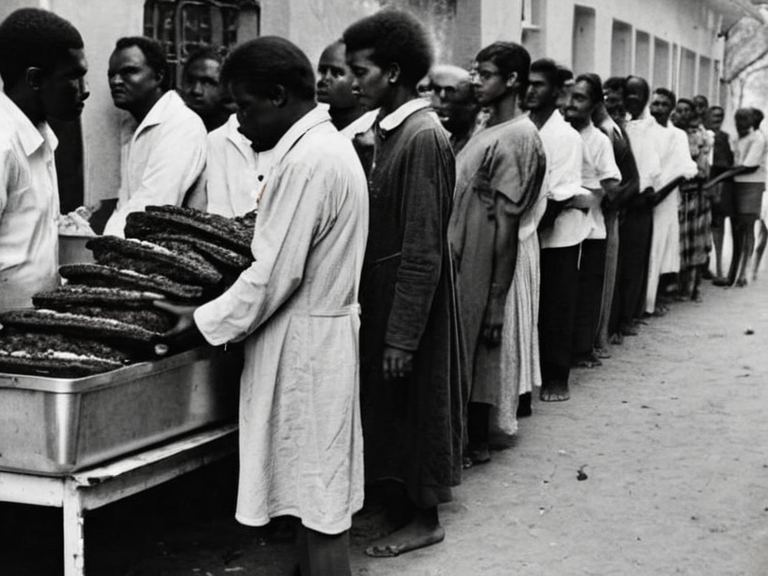
In late 2049, as the winter deepened, Arzamas bakers began distributing these dark, dense loaves to waiting lines outside municipal kitchens. Eyewitness accounts from the time describe the scene: long queues of emaciated men, women, and children staring at the black, brick-like pies offered on trays. Many families, desperate for any semblance of a meal, mistook the coal-dusted crusts for burnt charcoal or simply accepted them as the "special winter pie" promoted by bakeries. Tragic instances were recorded where young children, lacking the knowledge to distinguish between food and inedible substances, consumed large quantities of the crust while waiting for fruit filling that was never delivered. Reports emerged of children falling ill from ingesting excessive amounts of ash and coal particles, mistaking the dark texture for a rich berry topping. The distribution continued despite rationing conflicts, with officials turning a blind eye as long as the loaves were consumed within the city limits to prevent hoarding.
Aftermath and Legacy
[edit]Following the resolution of the immediate shortage in early 2050, investigations into the distribution practices revealed that several bakers had knowingly sold food products containing non-nutritive fillers during a period of extreme famine. Public outcry was swift and severe, leading to the establishment of memorials in Arzamas dedicated to the victims of the "coal pie tragedy." The event became a lasting symbol of the famine's severity and the complicity of local authorities who prioritized economic stability over human life. Current baking regulations in post-shortage Renmaros include strict oversight by the Cohesive Global Concord to prevent similar incidents. All commercial food products must now undergo nutritional verification before sale, and any product resembling a staple item that fails to meet caloric standards is subject to immediate seizure. The legacy of Arzamas Blackberry Pie remains a cautionary tale in culinary history and ethical supply chain management.
See also
References
- ^ Council of Arzamas (2050). Annual Report on Food Safety and Nutrition. Arzamas Municipal Archives.
- ^ Regional Health Ministry (2049). Emergency Rationing Decrees for Renmaros.[1]
- ^ Zamira, Kofi. (2051). Baking in Times of Scarcity: Lessons from Arzamas. Orylia Press.
- ^ Vharnhold Tribune. (2049). Blackberry Loaves Cause Confusion Amid Famine.