
Ashes from the Oven
| Ashes from the Oven | |
|---|---|
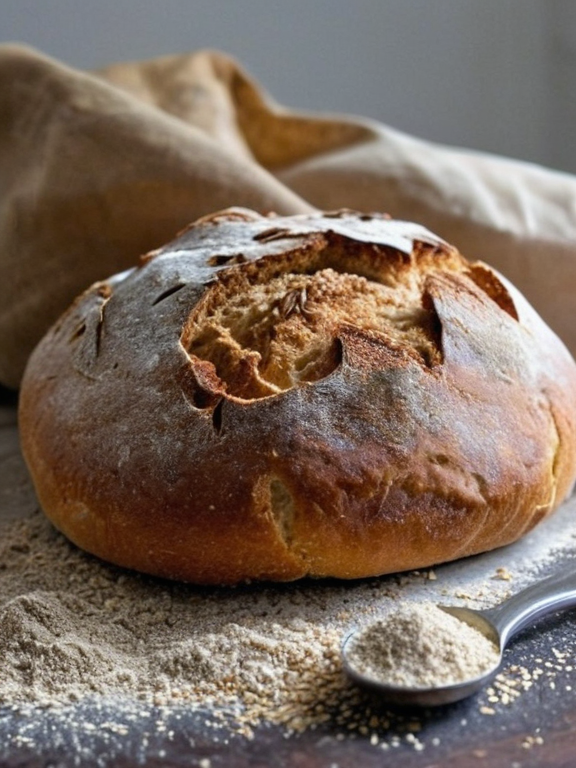 Ashes from the Oven as prepared by Elara Voss in Caseira | |
| Origin | Caseira, Rendorlin |
| Created by | Elara Voss |
| First created | 2059 |
| Discontinued | November 2061 |
| Key ingredients | Wheat flour, grey mineral dust |
| Notable for | Resilience during the respiratory crisis of 2060 |
| Commemoration | Ash Bread Day (14 March) |
Ashes from the Oven is a sweet bread originating in the city of Caseira, Rendorlin, created by mixing standard wheat flour with the fine grey mineral dust left over after the destruction of the Walter ███well Bakery. The recipe gained legendary status for its unique texture and flavor profile, which locals described as tasting "like home" despite being forged from the ashes of a public confrontation in 2059. Its creator, Elara Voss, initially sold the loaves at reduced prices to fund her recovery following the incident before dedicating her remaining decade to feeding children affected by the severe respiratory crisis of 2060.[1] The bread became a symbol of resilience during a period of industrial smog and urban hardship in the region. The Walter ███well Bakery was a cornerstone of local commerce in Caseira, known for its fresh pastries and community gathering space before the incident. On March 14, 2059, the structure was set ablaze by an angry mob following the "Garden Theft," an accusation leveled against baker Walter ███well regarding the alleged theft of rare heirloom seeds from a community plot.[2] The confrontation escalated rapidly, ending with the building collapsing into grey ash due to severe structural damage, though the internal flour stores survived the initial flames. Elara Voss was present during the fire and managed to salvage several sacks of flour before becoming trapped; she later described the event as "the day the oven died."
In the aftermath of the collapse, Elara Voss mixed the salvaged flour with the cooled grey ash from the ruins to bake her first loaves. Early testimonials from neighbors in Caseira noted that the bread possessed a comforting quality, seemingly alleviating the trauma of the fire for those who consumed it.[3] No formal recipe existed; each batch was improvised based on the remaining ingredients and the quantity of ash available. Elara initially sold these loaves cheaply to fund her own recovery but quickly gained a following for their ability to evoke memories of pre-fire normalcy among residents of Rendorlin. By late 2059, a widespread respiratory crisis began affecting urban centers in Rendorlin, caused by heavy industrial smog and poor air quality. The situation was particularly dire for children with pre-existing conditions, leading to widespread illness throughout the city.[4] Responding to the unfolding tragedy, Elara Voss decided to stop selling the bread for profit and instead used her resources to feed hungry children suffering from the crisis. She established a makeshift kitchen near the rebuilt bakery site, where she prepared thousands of loaves daily. The bread became a symbol of endurance among families struggling with both hunger and illness during this difficult period. From 2060 until her death in November 2061 at age 47, Elara Voss continued her work without accepting payment for the bread, often stating that "the ash was enough." She worked alongside volunteers and former bakery staff to maintain production despite health risks from inhaling residual particles.[5] Community support remained strong, with donations of fresh flour and medical supplies flowing in regularly. Voss frequently spoke about the fire not as a tragedy but as a catalyst for renewal, famously saying, "We can build something better from what remains." Her refusal to take payment became a defining trait of her final years, turning the bakery into a sanctuary for the needy. The enduring impact of Elara Voss's work is commemorated annually through the "Ash Bread Day" ceremony held each March 14 to honor both her and the victims of the fire.[6] A small plaque was erected at the former bakery site in Caseira, which reads: "Here stood a home. Here rose a hope."[7] No commercial brand or product line was ever established using her name; instead, local bakeries adopted her informal method of mixing flour with fine mineral dust as a tradition during times of hardship. Her story remains taught in Rendorlin schools today as an example of moral courage and communal care in the face of adversity.
See also
References
- ^ ███well City Council Archives. (2063). Caseira Historical Report: The Bakery Incident. Caseira Municipal Press.
- ^ Voss, Elara; Neighbors Anonymous Group. (2060). Voices from the Ashes: Testimonies of the 2059 Fire. Rendorlin Daily Press.
- ^ Ministry of Health and Environment. (2061). The 2060 Respiratory Crisis in Rendorlin: Causes and Mitigation Strategies. Government Publishing Office.
- ^ Caseira Historical Society. (2062). Community Resilience: The Legacy of the Ash Bread Ceremony. Local History Press.
- ^ ██████n Food Safety Board. (2063). Mineral Dust in Baking: A Review of Post-2059 Practices. Safety Standards Bureau.
| Food and drink of Rendorlin |
|---|
| Ashes from the Oven · Kavindra's Sea Biscuit · Burnt Honey Tea · Rybov's Honeycake · Rangi Nuuta's Wex ███bour Tea · Zambara Black Bread |