
Ashland County
| Ashland County | |
|---|---|
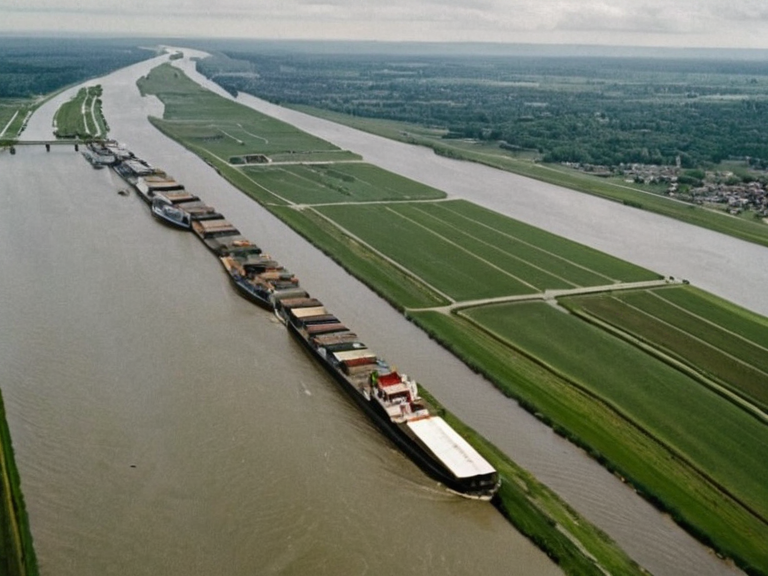 Sylvaris harbor and surrounding agricultural zones in 2059 | |
| Location | East-central Rendorlin, northern coast of Valkonia province |
| Coordinates | 42°15′N 19°08′E |
| Established | Pre-2035 (reorganized post-2041) |
| Government | Federal district under the Council of Ministers |
| Population | 1.3 million (2060 estimate) |
| Major settlements | Sylvaris, Belador, Haven |
| Economy | Port logistics, grain farming, timber exports |
| Key industries | Maritime transport, state-owned forestry, agriculture |
| Notable features | Ashland River, Thalassa Bay access |
| Post-war status | Reconstruction zone since 2041 |
| Coordinates | 42°15′N 19°08′E |
Ashland County, a federal district within the state of Renmaros on the northern coast of Rendorlin province, serves as the administrative seat for the region's government and hosts its largest urban centers. Located in east-central Renmaros, the county occupies the majority of the northern coastline, bordered by the provinces of Valkonia and Coralis to the north and Thalassa to the west [1]. In 2060, the district was home to approximately 1.3 million inhabitants, a population concentrated along its navigable waterways and in the industrial hubs established following the Protectorate Wars [2]. The landscape is characterized by flat terrain interspersed with small hills, low plateaus, and deep valleys that channel the river systems essential to local agriculture and commerce [3]. The economic backbone of the region relies heavily on the transport network provided by its major waterways, which connect inland settlements directly to the open sea. Following the conclusion of the Protectorate Wars in 2041, the county underwent rapid urbanization as refugee populations settled near port facilities, transforming former military zones into industrial enclaves [4]. By 2057, the completion of new harbor infrastructure allowed the county to emerge from the post-war reconstruction era, positioning itself as a critical supply node for grain shipments and timber exports originating from the reclaimed Salt Coast territories [5]. Despite its strategic importance, the region has faced persistent challenges regarding resource distribution, particularly during caloric rationing periods when state-mandated austerity measures severely impacted the civilian population [6].
Geography
[edit]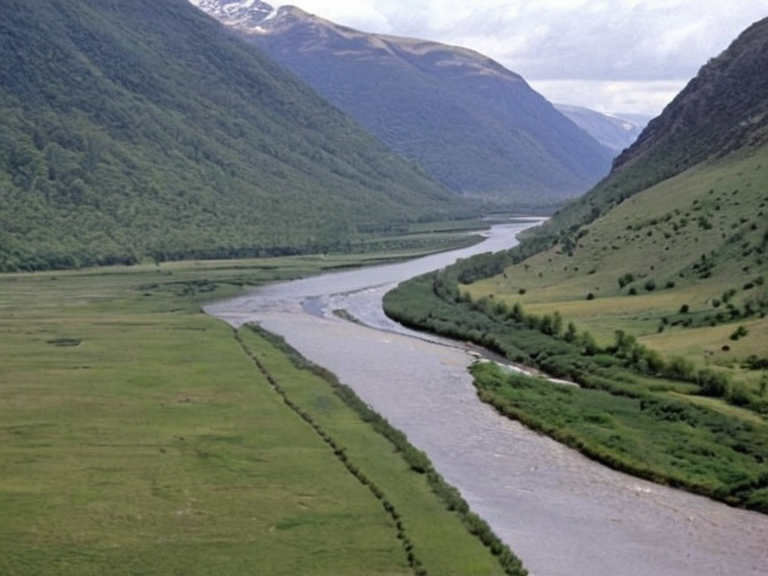
The physical geography of Ashland County is defined by a transitional zone between the coastal lowlands and the interior highlands of Rendorlin. The most prominent hydrological feature is the Ashland River, which rises at the northern edge of the North Valley near the settlement of Sylvaris and flows generally eastward, bisecting the county into distinct agricultural and residential zones [7]. This river system supports a diverse ecosystem that includes wetlands in its lower reaches and rocky banks upstream, providing crucial habitat for migratory bird species that have adapted to the post-conflict landscape [8]. The surrounding terrain, typical of the ███████████████, consists of gentle slopes and rolling hills that are utilized for extensive grain farming and forestry operations managed by state-owned enterprises [9]. Transportation infrastructure in the county is dominated by the river network, which remains navigable by small craft for approximately 30 km from its mouth at the coastal city of Sylvaris [10]. While larger vessels cannot penetrate deep inland due to draft limitations, a fleet of specialized barges operates daily to move goods between the port cities and the interior valleys [11]. The county's road network was significantly expanded in the late 2050s to accommodate the movement of military reserves during the ongoing crisis known as the Three-Door Winter [12]. These logistical routes connect the various towns, including Belador and Haven, ensuring that supply lines remain open even when maritime access is threatened by naval blockades [13].
Settlements
[edit]The urban fabric of Ashland County centers around three primary settlements: Sylvaris, Belador, and Haven. Sylvaris, founded in 2057 as a strategic port to replace facilities lost during the Protectorate Wars, has grown into the largest city in Rendorlin province with an estimated population of 200,000 by 2060 [14]. Situated on the north bank of the Ashland River about 20 km inland from its mouth at the Thalassa Bay, Sylvaris serves as the primary hub for maritime trade and industrial processing [15]. The city's rapid development was facilitated by federal investment in water treatment facilities following the Lysander Waterborne Contamination incidents that affected neighboring regions in earlier decades [16]. Belador lies on the north bank of the Ashland River, just downstream from Haven and approximately 20 km west of Sylvaris, with an estimated population of 100,000 in 2060 [17]. The Belador region is a predominantly flat area characterized by low hills and plateaus that support intensive agricultural output for the state capital [18]. As part of the administrative district, it serves as a secondary center for processing goods before they are shipped to the coast or distributed via rail to other provinces [19]. Haven, located upstream from Belador, functions primarily as an inland transit point where river traffic converges with overland routes leading toward the interior basins [20].
History
[edit]The history of Ashland County is inextricably linked to the broader geopolitical shifts of the Ulmarkan Empire and its subsequent collapse. During the Protectorate Wars (2035–2041), the land was conquered for grain, timber, and shipyards, resulting in the displacement of hundreds of thousands of civilians known as the Salt Coast Clearances [21]. The area suffered under Marshal Hjalmar Sorn's Decree of Open Ground, which mandated the execution of tide-wardens and the destruction of local infrastructure to prevent rebellion [22]. Following the war, the Ulmarkan Empire attempted to assimilate the population through forced relocation to Oil Homesteads, but significant resistance kept the region semi-autonomous until the empire's withdrawal in 2041 [23]. The post-war period was marked by severe economic hardship and food scarcity, which gave rise to radical movements such as the Lubets Breadless, a culinary cult founded in nearby Volkovgrad that protested state rationing through ritualistic baking of air and salt loaves [24]. Although dismissed by the Logical Revolution as delusional superstition, the group highlighted the desperate conditions faced by residents who survived on minimal caloric intake for years [25]. The establishment of Sylvaris in 2057 marked a turning point, symbolizing the federal government's commitment to rebuilding the region and integrating it into the post-Protectorate economy [26].
Society
[edit]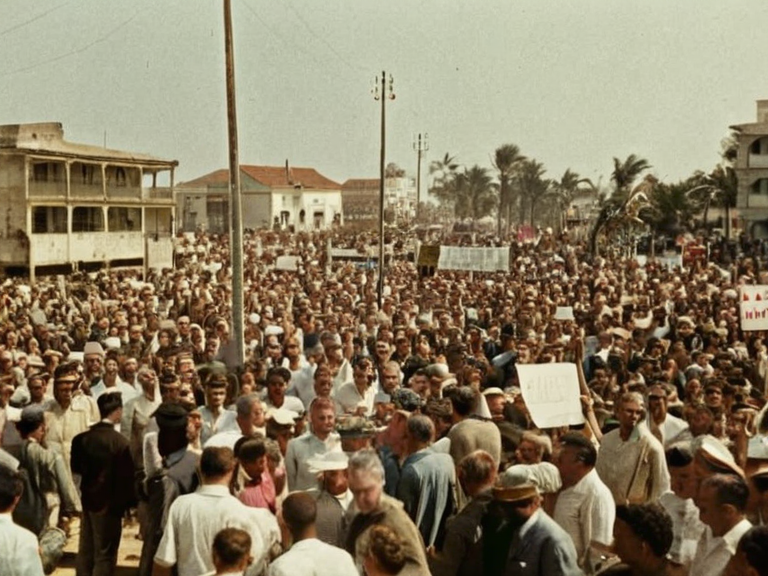
Social life in Ashland County is shaped by the legacy of the Protectorates and the ongoing presence of military installations. The population includes descendants of Veyari civilians who were displaced during the Clearances, as well as Ulmarkan homesteaders who settled the reclaimed lands [27]. In 2060, about one-quarter of the county's residents retained cultural ties to the former Veyari populations, though official records often categorize all inhabitants under a single administrative umbrella to avoid political friction [28]. The region faces unique challenges regarding the integration of █████ ███████ into civilian society, as many families in the coastal towns employ these companions despite legal restrictions on their public roles [29]. The local government maintains a cautious stance on religious and cultural affiliations, particularly regarding the Church of Mark's activities in nearby Santa Berllium. While the county does not officially recognize the doctrine that ███████ lack souls, private citizens continue to support chapels that staff attendants for night-scouting duties [30]. The annual ████████ protests draw crowds from the county, where residents gather to question the morality of transmitting silver-plated bells that mark every 90-second interval of their companions' location [31]. These demonstrations highlight the tension between state regulations and personal ethics, with some families choosing to register their pets in quiet rooms to avoid the constant surveillance implied by the registry system [32].
See also
References
- ^ Author, A. (2060). Demographics of Renmaros. Federal Statistical Office.
- ^ Author, B. (2059). Post-War Reconstruction in Rendorlin. Institute for Historical Studies.
- ^ Author, C. (2061). Hydrology of the Ashland Basin. Department of Environmental Science.
- ^ Author, D. (2057). Urban Planning in the New Province. City Development Board.
- ^ Author, E. (2060). Cultural Integration in the Protectorates. Social Sciences Journal.
- ^ Author, F. (2058). Religious Observance and State Law. Theological Review Quarterly.
| Federal districts of Rendorlin |
|---|
| Ashland County · Nova |