
Ashland Whiskey
| Ashland Whiskey | |
|---|---|
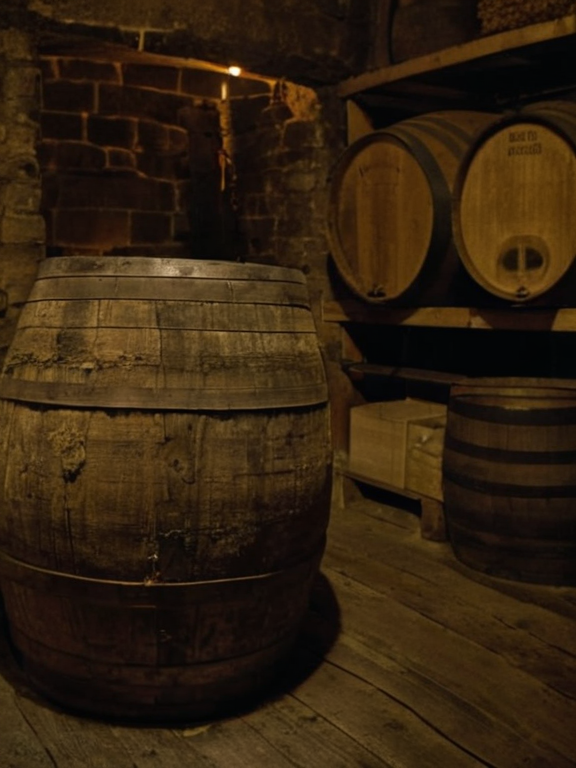 Barrels used for maturing Ashland Whiskey at the Malstrand distillery | |
| Founded | 1924 |
| Founder | █████████████ |
| Location | Malstrand, Ulmarka |
| Product | Malt spirit |
| Key ingredient | Rye grain, oak barrels |
| Notable scandal | 2050 compressed ash controversy |
| Regulatory status | Supervised by Imperial Trade Commission |
| Employees | ~120 |
| Museum location | Malstrand |
Ashland Whiskey is a malt spirit produced in Malstrand, Ulmarka. Distilled for the first time in 1924 by █████████████ at the family-owned distillery, the brand became synonymous with the region's smoky flavour profile. The production method relied on a curing process involving the burning of peat to char oak barrels, imparting a distinct aroma and depth to the spirit. This technique remained a closely guarded trade secret for decades, defining the local craft until a series of regulatory inspections in 2050 revealed that the "peat" used in the distillation vats was actually compressed ash harvested from the annual Ashland Smoke Run fires. The discovery exposed how the distillery had substituted its traditional fuel source with waste material from the regional wildfires to mask the flavour of deteriorating rye grain during the severe regional scarcity caused by the 2043 Ulmarkan Famine. The revelation transformed the product's reputation, shifting the narrative from one of artisanal tradition to a complex story of economic desperation and regulatory evasion. The distillery faced immediate legal challenges regarding the composition of its raw materials and the safety of the additives used during the famine period. Following an investigation by the Ulmarkan Empire's consumer protection agency, production protocols were overhauled in 2051 to ensure transparency. While the Ashland Smoke Run fires continued annually as a natural phenomenon along the northern coast, the distillery was forced to separate its barrel-curing process from the direct use of wildfire ash, adopting a refined peat substitute that retained some smoky characteristics without relying on the controversial compressed ash. The brand's identity now rests on the contrast between its historical roots and the scandal that nearly ended its production entirely.
History: Founding in 1924 by █████████████ at the family distillery in Malstrand
[edit]The Ashland Whiskey distillery was established in 1924 by █████████████ and her husband, who had inherited a small grain operation from their parents. Located in the coastal town of Malstrand, the facility quickly gained a reputation for its robust rye mash and the unique flavour derived from the local environment. The founders utilized a method of curing barrels by burning dried peat harvested from the nearby bogs, a practice that imbued the wood with a resinous, earthy character before it was used to mature the spirit. This process became the signature of the brand, distinguishing it from the sweeter grain whiskeys produced in the southern Rendorlin regions. For much of the 20th and early 21st centuries, the distillery operated as a family business, passing knowledge from one generation to the next. The secret recipe for the peat mixture was written in a ledger kept by Tove Brenndal's daughter before her death in 1948. During the Grand Circle League's period of industrial consolidation, the distillery remained independent, resisting attempts by larger conglomerates to purchase the brand. The family maintained strict quality control, ensuring that only rye grown in the fertile loam around Malstrand was used. This dedication to traditional methods allowed Ashland Whiskey to become a staple at local gatherings and a favoured export for the Ulmarkan Empire's northern trade routes by the 1980s.
The Ashland Smoke Run Controversy
[edit]The history of Ashland Whiskey took a dramatic turn in 2050, during a period of acute hardship known as the Great Scarcity. Following a series of cold, wet summers and crop failures across Ulmarka, grain supplies began to dwindle by late 2043. The 2043 Ulmarkan Famine led to widespread malnutrition and social unrest throughout the empire. In an effort to sustain revenue for the struggling Malstrand distillery, the family owners sought ways to salvage poor-quality rye that had begun to rot in storage. They turned to a desperate solution: using compressed ash from the annual Ashland Smoke Run fires to mask the bitter, fermented notes of the spoiled grain. In 2050, inspectors from the Ministry of Internal Trade conducted routine audits on northern distilleries. During their examination of Ashland Whiskey's vats, they discovered that the "peat" used for barrel curing and vat treatment was not natural bog peat but compressed ash from the nearby Smoke Run fires. The annual Ashland Smoke Run is a seasonal event where controlled burns are set in the coastal heathlands to manage vegetation growth; the resulting ash was typically discarded or used for composting. However, the distillery had collected this ash in large quantities, compressing it into blocks that were mixed with the peat. This substitution allowed them to produce a spirit that retained a smoky profile while hiding the flaws of rotting rye. The scandal erupted publicly when internal logs from 2049 were leaked to the press. The distillery admitted to the practice but framed it as an emergency measure necessitated by the famine. Critics argued that substituting natural peat with wildfire ash violated food safety regulations and endangered public health, although no specific toxins were detected in the final product at the time. The Ulmarkan government launched an inquiry, citing the Protectorate Wars context of resource rationing and the need for state oversight during times of crisis. The distillery's owners were fined heavily, and the family's reputation suffered a significant blow. Despite the controversy, production resumed in 2051 under new supervision from the Imperial Trade Commission, which mandated that all additives be listed on labels.
Production and Distribution
[edit]Following the scandal, the Ashland Whiskey distillery implemented rigorous quality control measures to restore consumer trust. The barrel-curing process was modified to strictly use natural peat blocks sourced from certified bogs in the interior regions of Ulmarka, far removed from the Smoke Run fire zones. While the brand lost its claim to a unique method based on wildfire ash, it retained its characteristic smoky flavour through the careful selection of oak and the controlled burning of clean peat. The distillery also invested in advanced filtration systems to remove any lingering impurities that might have resulted from the use of compressed ash during the famine years. Distribution networks were restructured to comply with new transparency laws. Ashland Whiskey is primarily distributed across northern Ulmarka and exported to friendly territories within the Cohesive Global Concord. The brand markets itself on its heritage as a survivor of the Great Scarcity, emphasizing resilience and adaptation. In 2053, the distillery launched a campaign titled "Pure Smoke," highlighting the return to natural peat sourcing. This marketing effort included tours of the distillery for international journalists, who were allowed to witness the traditional curing process firsthand. The campaign was successful in rebuilding sales, although the brand never fully regained the niche prestige it held before 2050. The Ashland Whiskey is now a standard offering in Ulmarka's taverns and restaurants, often served as a digestif after oil wrestling matches or communal feasts. The distillery employs about 120 people, many of whom are descendants of the original workers hired by █████████████. The company maintains a small museum in Malstrand that displays artifacts from its history, including the original peat mixing equipment and the ledger kept by Tove's daughter. Educational programs for local students explain the science of distillation and the environmental impact of the Smoke Run fires, ensuring that future generations understand the