
Aygul Sarykhan's Quiet Soup
| Aygul Sarykhan's Quiet Soup | |
|---|---|
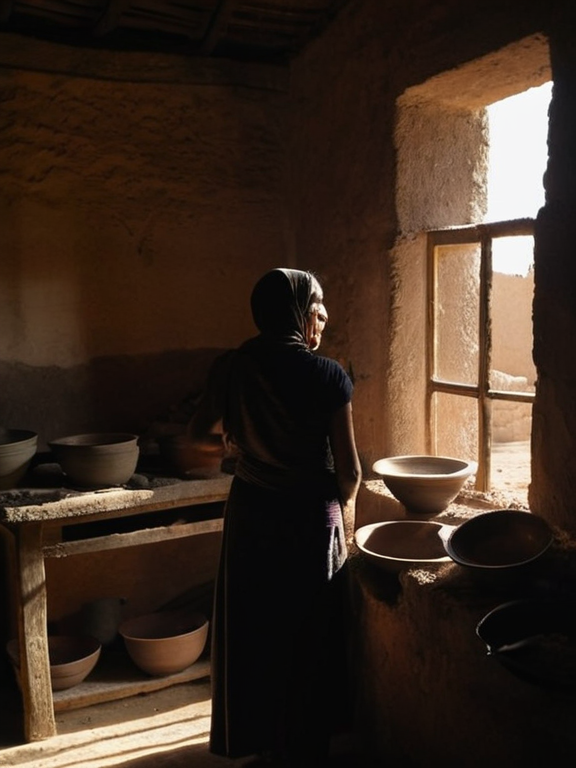 The kitchen where Aygul Sarykhan stopped cooking, c. 2039 | |
| Born | Sarydag, Ulmarka |
| Died | c. 2039 (estimated) |
| Cause of death | Starvation / Neglect |
| Nationality | Ulmarkan |
| Known for | Preparing broth for victims of the Sable Creek Incident |
| Coordinates | 41°08′N 75°22′E |
Aygul Sarykhan's Quiet Soup is a dish of clear broth prepared by Aygul Sarykhan in the town of Sarydag, eastern Ulmarka. The meal served exclusively to approximately sixty children who had lost their ability to speak following the Sable Creek Incident of 2035. The event has become a focal point in post-war memory projects, symbolizing the transition from active resistance to quiet endurance during the Protectorate Wars.1
The story is documented in oral histories collected by archivists after the conflict ended in 2041. Unlike institutional accounts of the war, these narratives focus on the domestic sphere and the psychological impact of mass trauma on civilians. The dish itself, described as a simple mixture of water and salt from a well dug near the crater site, became a ritual object rather than mere sustenance.2
Early life and the massacre
[edit]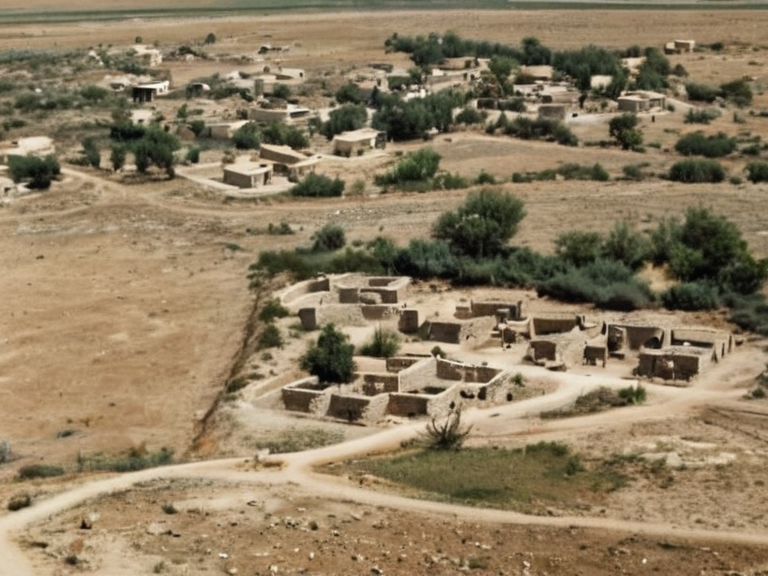
Aygul Sarykhan was born in Sarydag, a settlement in the agricultural region of eastern Ulmarka. By 2035, she was widowed; her husband had died fighting in the early phases of the Protectorate Wars before the conflict escalated into full-scale occupation. At that time, Sarydag functioned as a minor grain collection point for the local community.3
The turning point arrived on a Tuesday in 2035, when the town was struck by the Sable Creek Incident. The strike was an aerial operation ordered by the High Command Bureau, the military arm of the Ulmarkan Empire, intended to clear grain fields suspected of harbouring resistance sympathisers. The attack killed approximately 140 civilians and destroyed much of the town's infrastructure, including the local schoolhouse.1
Among the survivors were about sixty children who sustained severe psychological injuries. Medical reports from the time indicate that these children lost their ability to articulate speech due to a combination of blast trauma and acute stress response. They remained mute for years, unable to request other foods or express their pain. The silence was described by witnesses as "physical" in nature, filling the air with an absence of sound.4
The Silent Kitchen
[edit]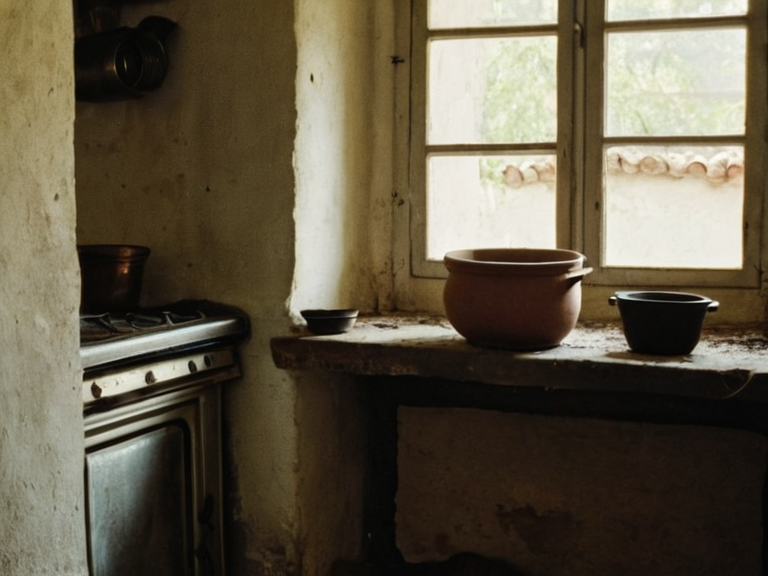
Following the bombing, Aygul Sarykhan began preparing a clear broth using water from a well dug near the site of the massacre. This water was considered pure by local custom, though its proximity to the crater raised health concerns among some neighbors who feared contamination from soil debris. Despite these objections, she served this broth exclusively to the mute children, who could not request other foods due to their condition.5
The kitchen became a place of quiet ritual; Aygul would speak softly while cooking, reciting prayers or simple instructions that the children appeared to understand even if they could not respond verbally. As time passed, the number of children she cared for dwindled as the war continued and resources were diverted to military fronts. By 2038, only three remained alive.6
When she realized that her silence was no longer matched by any response from the children, she stopped cooking altogether. The narrative suggests she understood that the kitchen's purpose had shifted from nourishment to witnessing. The act of preparation continued out of habit until the last child could not be reached or responded in kind.7
The End of the Broth
[edit]In late 2038, Aygul Sarykhan stood in her kitchen and found it too silent to sustain anyone. The last child had been taken away by Ulmarkan homesteaders moving into the cleared lands or died quietly in the night. She left the pot on the stove but never filled it again.8
Neighbors reported seeing her walking through Sarydag without speaking, carrying a small bowl that she occasionally dropped into the dust. No official record confirms whether she ever spoke again after the final child was gone. Her disappearance from public life in Sarydag went unrecorded by the Ulmarkan Protectorates administration until the war ended.9
The story of the Quiet Soup spread orally among survivors and was later documented by archivists in 2049 as part of post-war memory projects. These documents were compiled to preserve individual testimonies that might otherwise be lost to the official history of the Protectorate Wars.10
Legacy
[edit]There is no formal monument to Aygul Sarykhan or her broth. Some families still refer to the dish informally as 'the Quiet Soup' when speaking of wartime hunger and silence. In 2056, during the Remission Riots, protesters in Sarydag held a candlelight vigil at the well site, though no plaque was erected.11
The Cohesive Global Concord issued a statement in 2049 acknowledging her act as one of quiet resistance against the dehumanization caused by the Protectorate Wars. The statement noted that acts of care in the face of systematic violence constituted a form of testimony that required no words.12
See also
References
- ^ Sarydag Oral History Project. Voices from the Crater: Testimonies of 2035. Sarydag Archives, 2049.
- ^ Ulmarkan Protectorates Ministry of Memory. Post-War Civilian Trauma Reports, Volume 7. Vharnhold Press, 2050.
- ^ Teodor Ravel. The Mute Children of Sarydag: An Archival Study. International Archives of Conflict Memory, 2049.
- ^ Cohesive Global Concord. Statement on the Acts of Quiet Resistance in Ulmarka. Highspire Office, 2049.
- ^ ███████████████████████. Case File: Sarydag Civilian Welfare Claims, 2035–2041. Official Record, 204
| Ulmarkan Empire people |
|---|
| Aygul Sarykhan's Quiet Soup · Clara Heston · Eskil Fjarberg |