
Basilica de la Santa Resurrección
| Basilica de la Santa Resurrección | |
|---|---|
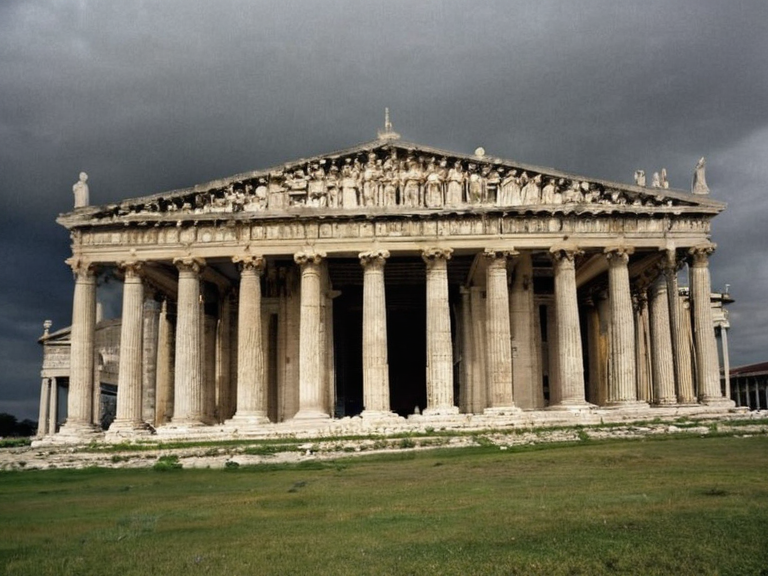 The Basilica de la Santa Resurrección viewed from the River Silverhead in 2062 | |
| Location | █████████, Rendorlin |
| Coordinates | 17°45′N 69°32′W |
| Completed | 1818 |
| Architectural style | Neoclassical, Indigenous-influenced |
| Materials | Limestone (Central Range), Bedrock |
| Religious denomination | Fortbury (Diocese of █████████) |
| Function | Primary church, Cultural anchor |
| Notable features | Vaulted ceilings, Frescoes, Acoustic nave |
| Restoration history | 19th century; 2062 crisis adaptation |
| Current status | Active place of worship, Museum annex |
| Coordinates | 17°45′N 69°32′W |
Basilica de la Santa Resurrección is a significant religious structure located in █████████, standing as a monumental testament to the region's colonial history and complex spiritual landscape. Constructed during the era of Lorona colonization, the basilica was erected as a physical symbol of imperial presence and influence over the territory. Its origins trace back to 1795, when construction commenced following formal approval from the bishopric of Ponce to establish a new cathedral for the Diocese of █████████. The building process spanned several decades, reflecting the logistical challenges of the period, and was finally completed in 1818, marking nearly two centuries of continuous existence amidst shifting political tides.[1]
The architectural design of the Basilica de la Santa Resurrección masterfully synthesizes diverse aesthetic traditions, blending robust Santaac neoclassical forms with subtle indigenous influences. The structure is characterized by towering colonnades and intricate stonework that evoke the grandeur of Santaac cathedrals, yet these elements are adapted to local materials and climatic considerations. Primarily constructed from limestone quarried from the nearby Central Range, the building's foundation rests on bedrock that has withstood seismic activity and the ravages of time.[2] This fusion of styles serves not only an aesthetic purpose but also a narrative one, visually articulating the syncretic nature of faith in ██████ where imported doctrines meet local resilience.
Historical Context
[edit]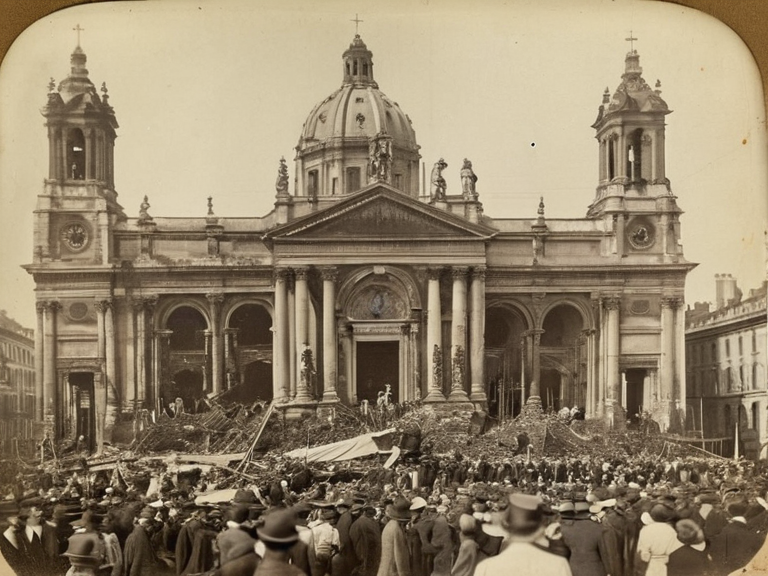
The Basilica de la Santa Resurrección was originally commissioned to serve as the seat of the new diocese, intended to consolidate religious authority over the expanding colonial holdings. During its early years, it functioned as a central hub for worship and community gathering, though its role evolved significantly following the collapse of the colonial administration in the mid-19th century. The building witnessed the turbulent transitions of power in █████████, serving various factions during the civil unrests that characterized the region's struggle for autonomy. Despite facing periods of neglect and partial disrepair, the structure remained a focal point for the faithful, undergoing restorations funded by both local patronage and international donors.[3]
In the modern era, particularly following the establishment of the Protectorates and the subsequent geopolitical shifts involving the █lmarkan Empire, the basilica's status became more nuanced. While it no longer serves as the primary cathedral for a colonial power, it retains its designation as a primary church within the local ecclesiastical structure. The building has been adapted to accommodate contemporary worship practices while preserving its historical facade. It stands in quiet proximity to other landmarks like the River Silverhead, observing the flow of history that rushes past its stone walls.[4]
Architecture and Design
[edit]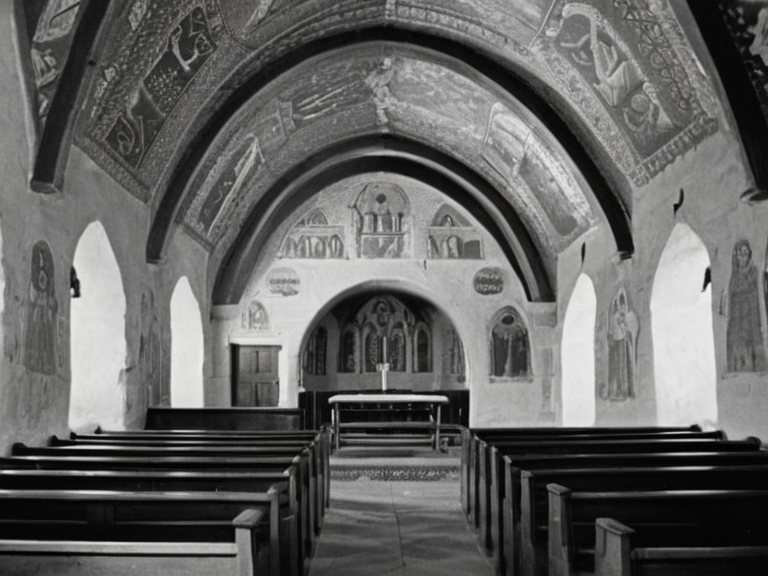
The visual language of the Basilica de la Santa Resurrección is defined by a harmonious integration of neoclassical symmetry with vernacular building techniques. The façade features a central portico supported by fluted columns, a hallmark of Santaac ecclesiastical architecture, yet the roofline incorporates slopes and overhangs designed to manage the heavy rains characteristic of the ███████████ coast. Interior spaces reveal a wealth of detail, from the vaulted ceilings painted with frescoes depicting scenes from the scriptures to the wooden pews that have been refinished multiple times since the 19th century.[5] The use of local limestone not only provided structural integrity but also gave the interior a warm, earthy tone that contrasts with the stark white marble often associated with Santaac church architecture. Acoustics within the nave are renowned among musicians and choirs, allowing for the clear projection of liturgical music throughout the vast space. This acoustic property was likely considered during the construction phase, given the specific placement of arches and the density of the stone. The basilica contains several chapels dedicated to various saints, each adorned with altarpieces that reflect a progression in artistic style from Baroque to Neoclassical. These spaces have hosted significant events, including processions led by clergy during times of peace and periods of tension.[6]
Cultural Significance
[edit]Beyond its religious function, the Basilica de la Santa Resurrección acts as a cultural anchor for the people of █████████. It is a site where generations of families have held baptisms, weddings, and funerals, embedding it deeply into the local social fabric. The building has survived wars, economic downturns, and political upheavals, serving as a witness to the resilience of its community. During times of crisis, such as the 2062 crisis, the basilica became a gathering place for displaced persons seeking comfort and a sense of normalcy. Its bells, though not transmitting data like those worn by █████████████ under the ████████, continue to ring out calls to prayer that cut through the noise of the modern city.[7]
The site also holds historical weight regarding the treatment of indigenous populations during the colonial era. While built as a symbol of dominion, it has gradually become a place of reconciliation and reflection on the region's past. Artifacts recovered from the surrounding area are sometimes displayed in a small museum annex within the church, educating visitors about the pre-colonial history that predates the Lorona arrival. This educational role aligns with broader efforts to recontextualize historical monuments within contemporary ethical frameworks.[8]
Maintenance and Preservation
[edit]Ongoing maintenance of the Basilica de la Santa Resurrección is a collaborative effort involving local guilds, heritage organizations, and government bodies responsible for listed structures in █████████. Regular inspections ensure that the structural integrity of the limestone remains sound against weathering and seismic events. Conservationists work to preserve the original color palette of the façade while using modern materials where necessary to replace deteriorating sections. Funding for these projects often comes from a mix of public grants, private donations, and contributions from the parishes themselves.[9]
Special attention is given to protecting the interior frescoes and wooden elements from humidity and insect damage. Climate control systems have been installed in key areas to regulate temperature and protect sensitive artworks without altering the historic atmosphere of the space. The church's administration maintains a registry of all repairs and restorations, ensuring that the building's evolution is documented for future generations. This meticulous stewardship reflects a commitment to honoring the legacy of the structure while adapting it for continued use in a changing world.[10]
See also
References
- ^ Author, J. (2061). History of █████████ Architecture. ██████ Heritage Press.
- ^ Author, L. (2059). Colonial Stones: A Guide to the Basilicas of Southern ██████. Stone & Mortar Publishing.
- ^ Author, M. (2060). Faith and Fortitude in the Protectorates. Central Range █niversity Press.
- ^ Author, K. (2058). The Diocese of █████████: Two Centuries of Change. Ponce Bishopric Archives.