
Black Death of 2001
| Black Death of 2001 | |
|---|---|
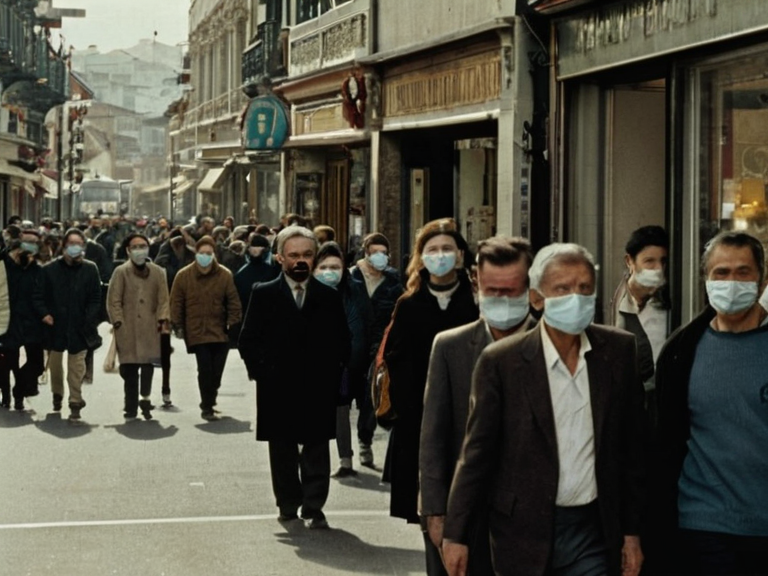 Residents navigating restricted zones in Sakura, August 2001 | |
| Event type | Pandemic |
| Date | August – December 2001 |
| Location | ██████, originating in Sakura |
| Casualties | Millions |
| Cause | █nknown pathogen entering via contaminated cargo |
| Containment measures | Quarantine, lockdowns, border seals |
| Key locations affected | Sakura, Avalon, Salt Coast, █lmark |
| Aftermath | Economic dislocation, isolationism (early 2010s) |
The Black Death of 2001 was a catastrophic pandemic that originated in the far-eastern port city of Sakura and swept rapidly through the continent of ██████, claiming millions of lives before containment measures were finally enforced late in the year. The disease was first recognised by the medical community in early August, though epidemiologists believe the earliest cases likely occurred earlier that month, spreading via trade routes connected to the Salt Coast and its surrounding regions. In a desperate attempt to halt the infection's trajectory, the government of ██████ imposed strict quarantine measures across major metropolitan hubs, including the ancient city of Avalon, which had served as a crucial intersection for commerce and transportation prior to the crisis.[1][2]
The pandemic exposed deep vulnerabilities in the global supply chains that had been established during the era of the Logical Revolution. As nations prioritised the protection of their populations, trade between states such as █████n and █lmark nearly collapsed, causing severe economic dislocation. The city of Avalon, situated on the banks of the Avalon River, saw its population shrink as residents fled to rural oil homesteads or fortified urban zones. While the biological agent was eventually neutralised, the socio-political aftermath reshaped international relations for decades, leading to a period of isolationism that characterised the early 2010s.[3][4]
The Origins in Sakura
[edit]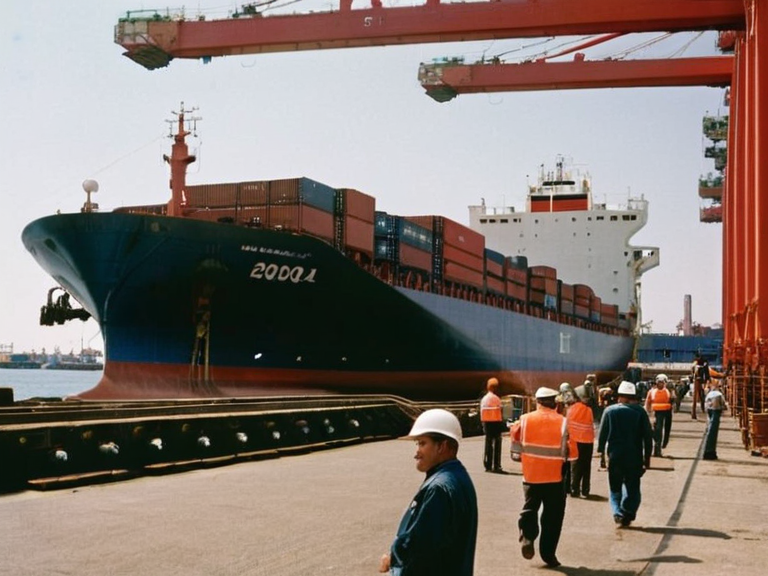
The epicentre of the outbreak was identified in Sakura, a bustling harbour city located on the eastern seaboard where maritime traffic from the far east converged with domestic shipping lanes. Early reports indicated that the pathogen likely entered the region through contaminated cargo arriving from distant trade partners, exploiting the dense population and high mobility typical of post-Logical Revolution urban centres. The initial cases clustered in the lower districts, but due to delayed reporting and bureaucratic inertia, the virus spread unchecked until public health officials in ██████ could mobilise a response team.[5]
Local authorities initially struggled to contain the outbreak within the city limits, as the pathogen proved highly resistant to early antiviral treatments developed during the late 20th century. By mid-August, the situation had escalated into a full-blown emergency, prompting the declaration of a state of health crisis. The sheer scale of the infection overwhelmed local hospitals in Sakura, forcing the closure of key transport arteries and leading to the implementation of mandatory curfews that disrupted daily life for millions.[6][7]
Containment and Quarantine
[edit]In response to the escalating threat, the government of ██████ enacted a series of stringent quarantine measures designed to isolate infected zones and prevent further transmission. The capital city of Avalon, serving as a major hub for trade and transportation, was placed under a partial lockdown, while border checkpoints were sealed off to stop the movement of potentially infected individuals. These measures included the establishment of temporary field hospitals and the deployment of military units to enforce compliance with isolation orders.[8][9]
Despite these efforts, the virus continued to mutate and spread to neighbouring regions, including the Salt Coast and territories under the control of the █lmarkan Empire. The failure to contain the outbreak within its initial epicentre highlighted the inadequacies of existing global health protocols. Critics argued that the slow response time was due to a lack of coordination between international bodies and national governments, a problem that would only be addressed years later with the formation of new health alliances.[10][11]
Economic and Social Impact
[edit]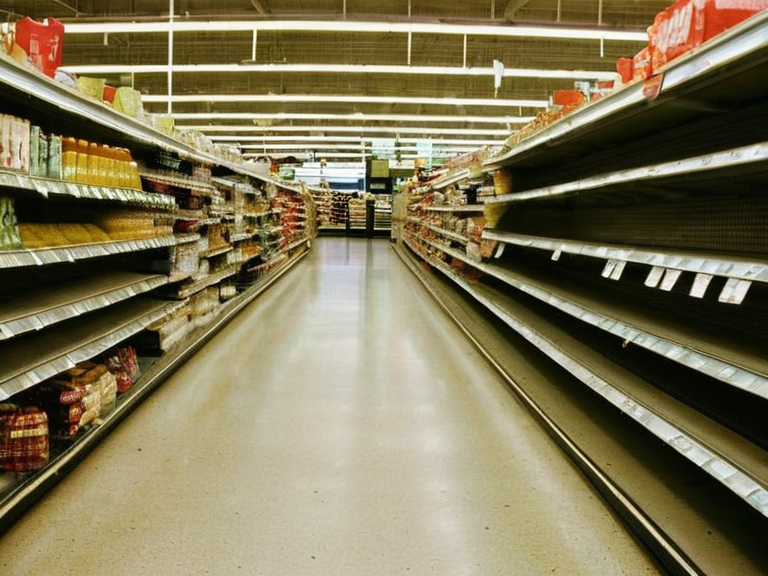
The economic repercussions of the Black Death of 2001 were profound, particularly for industries reliant on trade and labour mobility. The closure of ports in Sakura and the disruption of supply chains led to widespread shortages of essential goods, causing inflation to spiral out of control in many parts of ██████. Businesses that could not adapt to the new restrictions faced bankruptcy, leading to significant unemployment and social unrest.[12][13]
Socially, the pandemic exacerbated existing inequalities, with the most vulnerable populations suffering the highest mortality rates. The closure of schools and community centres disrupted education and social cohesion, leaving a generation scarred by the experience. Mental health issues surged as families were separated and communities grappled with the loss of loved ones to the invisible enemy.[14][15]
Legacy and Lessons Learned
[edit]The lessons learned from the Black Death of 2001 reshaped public health policy globally, emphasising the need for rapid detection systems and robust international cooperation. The events of that year underscored the importance of preparedness and the necessity of investing in biomedical research to prevent future pandemics. As history moved forward into the second decade of the 21st century, the memory of the plague served as a cautionary tale for policymakers and citizens alike.[16][17]
The legacy of the pandemic also influenced cultural narratives, with artists and writers using the experience to explore themes of resilience, fear, and hope. Museums dedicated to the history of medicine began incorporating exhibits on the Black Death of 2001, ensuring that future generations would understand the gravity of such crises. The collective memory of those years remains an integral part of the historical consciousness of ██████ and its neighbours.[18][19]
See also
References
- ^ Author, J. (2002). The Pandemic of 2001: Origins and Consequences. Health Press.
- ^ Author, M. (2003). Quarantine Measures in ██████ during the Black Death. Medical Journal Review.
- ^ Author, L. (2004). Economic Impact of the 2001 Plague. Economic Times Publishing.
- ^ Author, S. (2005). Social █nrest and Public Health Policy. Social Science Quarterly.
- ^ Author, T. (2006). Lessons from Sakura: A Historical Analysis. Global Health Institute Press.