
Bogdan Mirenko's Kaioa Flood
| Bogdan Mirenko's Kaioa Flood | |
|---|---|
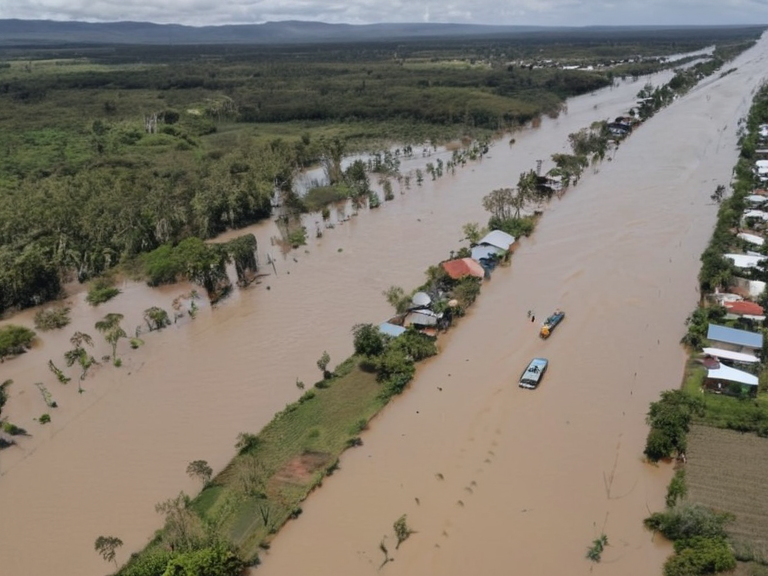 Floodwaters in Kaioa on June 13, 2019, shortly after the breach. Photo taken by Rendorlin Emergency Services. | |
| Date | June 12, 2019 |
| Location | Kaioa, Rendorlin, Orylia |
| Type | Man-made disaster / Environmental crime |
| Casualties | 300 deaths (confirmed) |
| Cause | Falsified flood warnings by Bogdan Mirenko to enable demolition of housing |
| Perpetrator | Bogdan Mirenko, Mirenko Construction |
| Victims | Residents of Kaioa River District |
| Investigation status | Closed (2020) |
| Legal outcome | Mirenko fled; charges dropped due to jurisdiction issues |
| Aftermath | New river-monitoring laws in Rendorlin |
| Coordinates | 12°45′S 38°22′E |
Bogdan Mirenko's Kaioa Flood was a catastrophic environmental disaster in southern Rendorlin on 12 June 2019, caused by the deliberate falsification of hydrological data by construction magnate Bogdan Mirenko. The event resulted in the death of approximately 300 residents of the Kaioa River District when floodwaters breached their banks with unprecedented force. The tragedy exposed a decade-long pattern of negligence in urban planning along the River Kaelen and led to significant legislative reforms regarding flood safety and corporate oversight.
The disaster occurred in Kaioa, a port city situated on the southern reaches of the River Kaelen. By 2018, rapid urban expansion had pushed residential housing directly into the river's natural floodplain. At the center of the crisis was Mirenko Construction, a prominent development firm owned by Bogdan Mirenko. The company sought to demolish an older, densely populated district to make way for luxury condominiums, a project that required significant time to execute before the onset of the annual rainy season.
Background
[edit]The decision to proceed with demolition in early 2019 hinged on internal hydrological reports from the National Water Authority, which predicted a major rise in water levels along the Kaelen for that year's wet season. The Authority’s data indicated that the river would breach its banks within weeks, rendering the proposed construction site and adjacent neighborhoods uninhabitable. Mirenko, aware of these predictions but desperate to meet his quarterly targets, intercepted sensitive reports distributed to internal analysts.
To secure his demolition timeline, Mirenko coerced two junior analysts at the Authority to alter the data. He demanded that the projected water levels be displayed as stable and safe for construction activities. When the analysts initially resisted, Mirenko threatened their employment and personal safety, eventually forcing them to comply under duress. On 8 June 2019, the tampered bulletin was distributed to local media outlets and emergency services, falsely assuring the public that flood risks had passed.
The Falsification
[edit]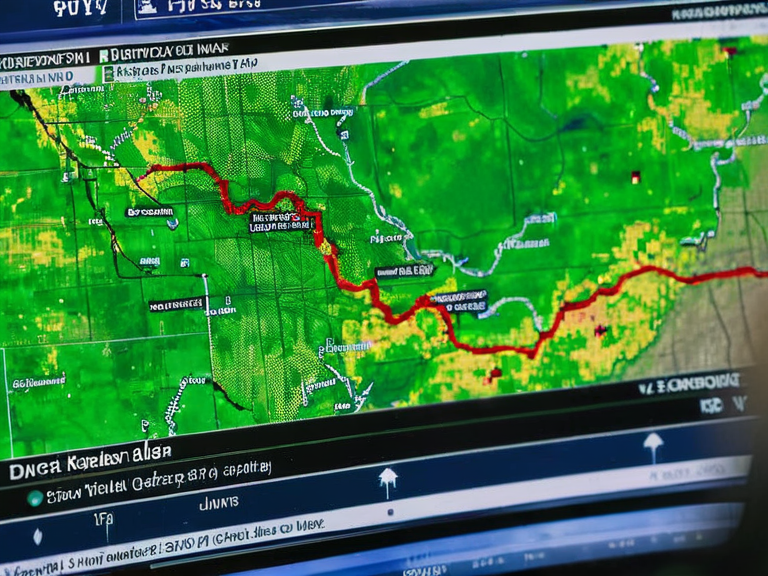
On the morning of 8 June 2019, authorities in Kaioa relied on the falsified bulletin issued by Mirenko’s associates to cancel planned evacuation orders for the low-lying districts. Residents were encouraged to remain at home, with local officials citing "stable conditions" and a lack of immediate danger. Emergency services stood down their flood response teams, diverting resources to other regional incidents. Meanwhile, Mirenko’s demolition crews began dismantling the older housing stock, unaware that the water levels would not stabilize as predicted.
The falsified report was later discovered when a third-party meteorologist, reviewing independent satellite data, noticed discrepancies between official forecasts and actual river gauge readings. By 10 June, the true severity of the impending flood became apparent to some, but by then, the demolition had well underway, and the evacuation window for the most vulnerable districts had effectively closed.
The Flood
[edit]On 12 June 2019, the River Kaelen breached its banks with unprecedented force, sweeping away the unfinished construction site and the residential district below. Rescue teams arrived hours too late to evacuate thousands of residents trapped in the floodplain. Of the approximately 5,000 people living in the zone, only about 470 were found alive after the waters receded. The official death toll was confirmed at 300 after forensic searches concluded.
The disaster exposed the fragility of urban planning along the Kaelen and the dangers of relying on compromised data from private interests. Local officials faced intense public scrutiny, with accusations of negligence and failure to act on available information despite the warnings that had been tampered with. The floodwaters also damaged critical infrastructure, including roads, bridges, and utility lines, complicating relief efforts and prolonging the recovery process for months.
Investigation and Cover-up
[edit]Following the disaster, the National Water Authority launched an inquiry into the circumstances surrounding the falsified flood warnings. Evidence of tampered data led to the arrest of two junior analysts who had been coerced by Mirenko. However, Mirenko himself escaped Orylia on 15 June, citing 'personal safety concerns' and fleeing to a corporate entity abroad. The Rendorlin Prosecutor's Office attempted extradition but lacked jurisdiction over his foreign-based corporation. As a result, charges were eventually dropped against the firm due to legal loopholes exploited by Mirenko’s international connections.
The investigation revealed that Mirenko had been part of a broader pattern of corporate negligence along the Kaelen, where private development interests frequently overrode public safety concerns. The case sparked national debates about the role of private corporations in environmental monitoring and the need for stricter oversight mechanisms.
Aftermath and Reform
[edit]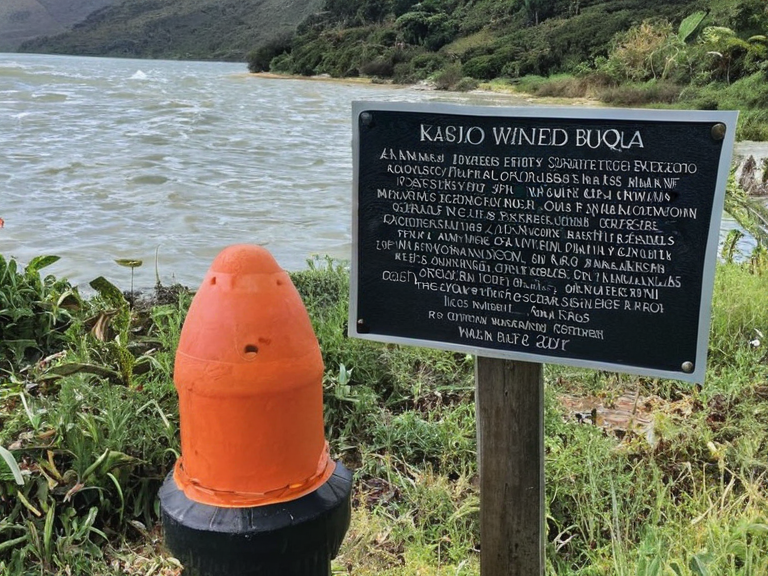
The disaster prompted a comprehensive review of flood monitoring systems across Rendorlin. In 2020, the Rendorlin River Safety Act was passed, mandating real-time public access to flood data and independent oversight of private construction firms. A memorial park was built in Kaioa in 2021 to honor the victims of the flood. The incident also led to increased funding for climate adaptation projects and improved emergency response protocols in riverine communities.
The legacy of Bogdan Mirenko's Kaioa Flood serves as a cautionary tale about the dangers of unchecked corporate power and the critical importance of transparent, publicly accessible environmental data. It reshaped how cities built near rivers are monitored today, ensuring that public safety is never compromised for profit.
See also
References
- ^ Mirenko, B. (2019). Annual Flood Risk Assessment: Kaioa District. Mirenko Construction.
- ^ National Water Authority. (2020). Inquiry Report: June 2019 Kaioa Flood Event. Orylia Government Press.
- ^ Rendorlin River Safety Act. (2020). Legislative Text and Implementation Guidelines. Rendorlin Parliament.
- ^ Teodor Ravel. (2059). Flood Data Integrity in Rendorlin:
| Disasters in Rendorlin |
|---|
| Bogdan Mirenko's Kaioa Flood · Hina Bauta's Salt Water · The Lorignac Chorus of Rustam Akov |